

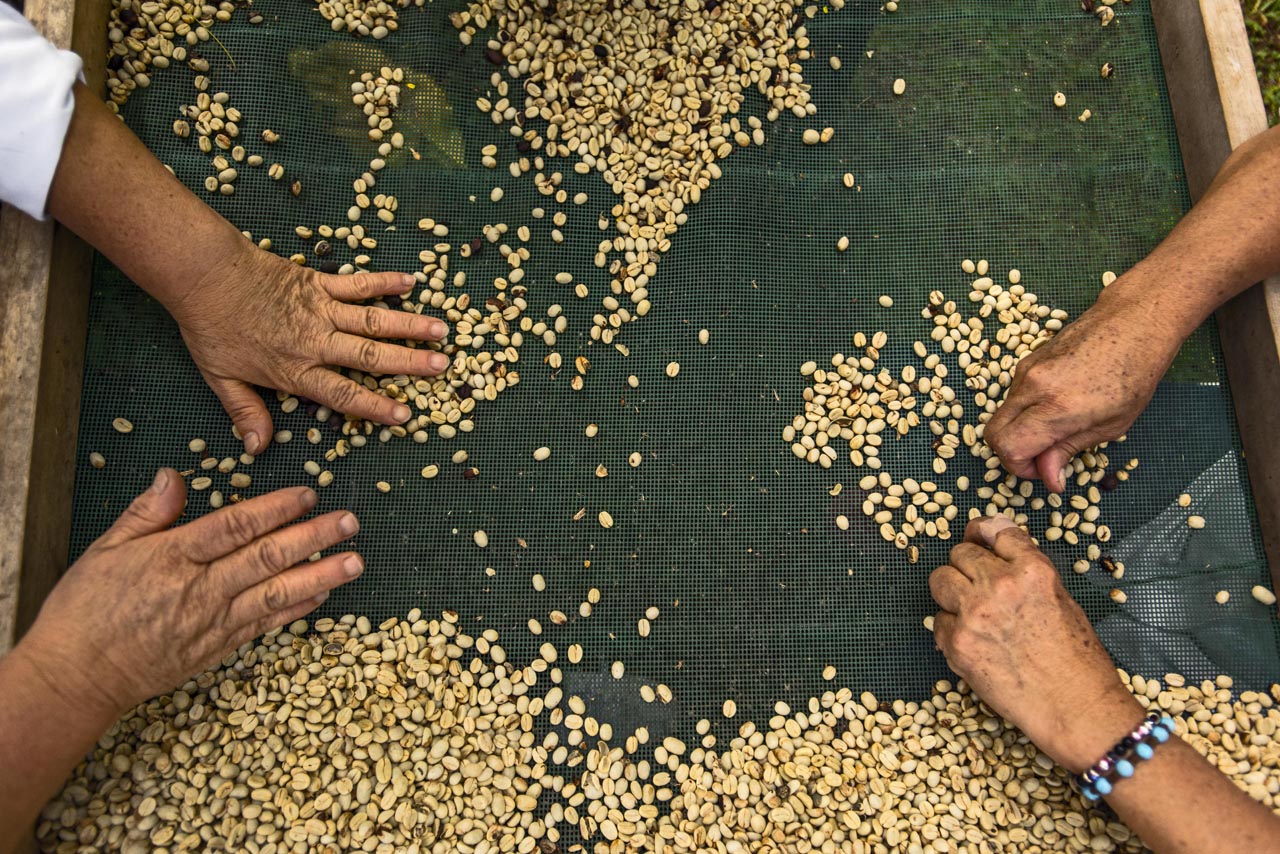
Where Coffee, Culture and Nature Meet
Colombia’s Coffee Cultural Landscape is much more than a place where coffee is grown. It is a living landscape shaped by generations of farming families, steep Andean mountains, rich biodiversity and a deeply rooted coffee culture.
In 2011, UNESCO inscribed the Coffee Cultural Landscape of Colombia on the World Heritage List. The designation recognizes a unique cultural landscape where small-scale coffee farming, local traditions, architecture and nature have developed together over more than a century.
Today, the region offers travelers a chance to experience this heritage at its source. When tourism is developed thoughtfully, it can also help strengthen local livelihoods and keep rural traditions alive.
A landscape shaped by coffee
The Coffee Cultural Landscape stretches across parts of Caldas, Quindío, Risaralda and Valle del Cauca. Here, small coffee farms follow the contours of steep mountain slopes. Farmers have adapted their cultivation methods to the challenging terrain and changing climate over generations.
Coffee has also shaped the region’s architecture. Traditional houses often feature bahareque, a construction technique using materials such as bamboo, wood and earth. Colourful facades, balconies and tiled roofs have become an unmistakable part of the region’s identity.
A tradition passed from one generation to the next
For many families, coffee is not simply an agricultural product. It is a way of life. Knowledge about planting, harvesting, processing and caring for the land is passed down through generations.
A visit to a family-run finca offers travelers the chance to experience this tradition firsthand. Local farmers can explain how coffee is cultivated, harvested and processed, while visitors learn about the people and stories behind each cup.
These encounters are an important part of what makes the Coffee Cultural Landscape a living heritage site. Its value lies not only in its landscapes and architecture, but also in the communities that continue to maintain its traditions.
Where nature and coffee meet
The Coffee Cultural Landscape is also part of one of Colombia’s biodiverse mountain regions. The wider Coffee Belt is home to forests, rivers, waterfalls and important habitats for birds and other wildlife.
Coffee farms are often integrated into this wider landscape, creating a fascinating combination of agriculture and nature. A coffee experience can therefore easily become part of a broader journey with hiking, birdwatching, cycling or visits to traditional mountain towns.
When tourism supports local communities
Tourism can play an important role in keeping this cultural landscape alive. However, it should complement farming rather than replace it. When travelers visit locally owned fincas, meet coffee producers and purchase coffee directly from the source, tourism can create an additional income for rural families. At the same time, it gives farmers an opportunity to share their knowledge and traditions with visitors. This makes sustainable tourism tangible. It connects travelers with the people behind Colombian coffee while supporting the communities that continue to care for the landscape.
Sustainable tourism here is not only about protecting nature. It is also about preserving the social and cultural fabric of the region.
Choosing locally operated experiences, staying at locally owned accommodations, eating at small restaurants and buying directly from producers can help keep more tourism revenue within the community.
Most importantly, responsible travel gives visitors the opportunity to listen and learn. A coffee farm visit becomes more than a stop on an itinerary. It becomes a chance to understand how people, culture and nature are connected.
Get in touch with us to learn more and how to include such a visit into your itinerary!
Featured Destinations
-
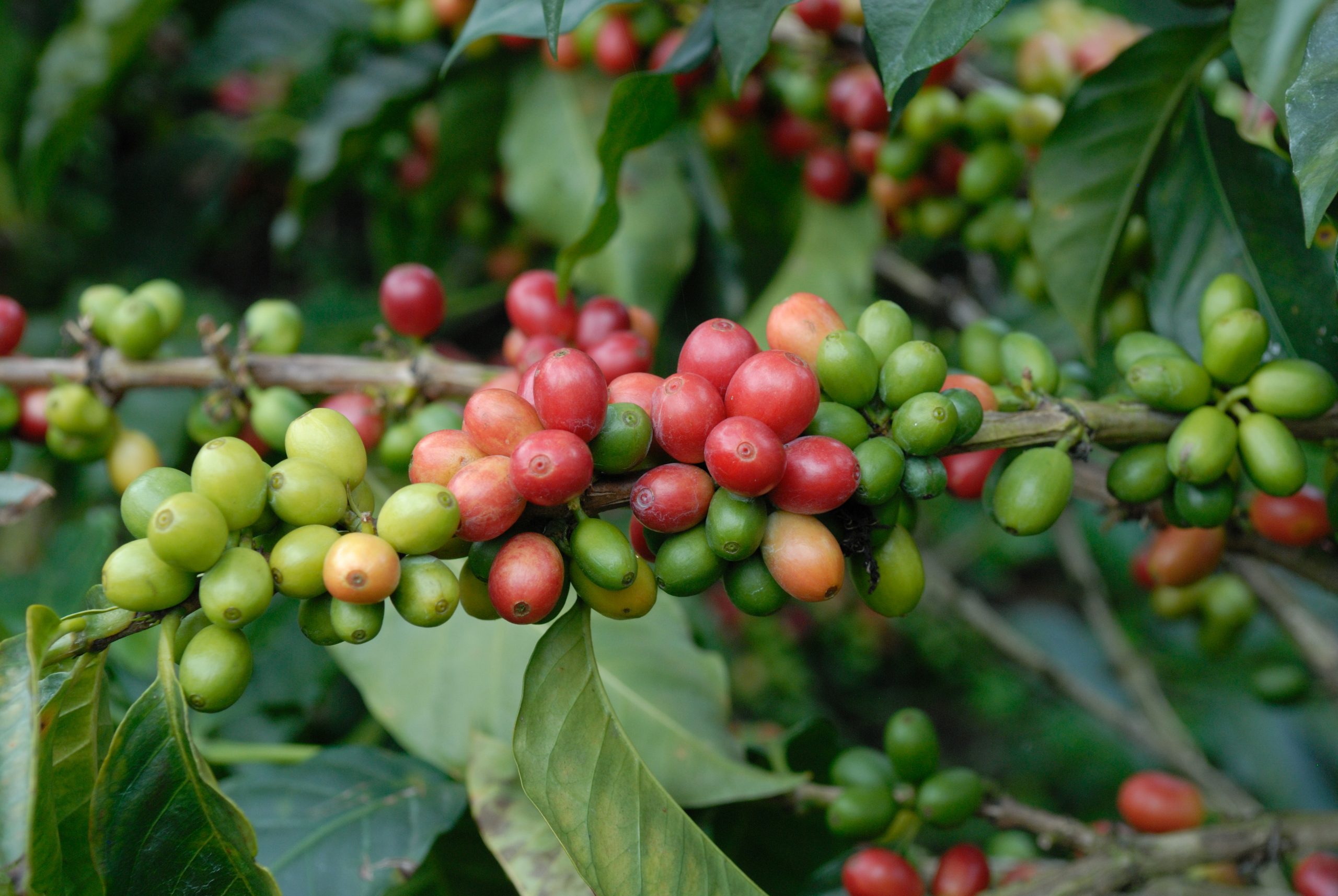
Armenia, the capital of the Department of Quindío in the Andino region of Colombia, is a relatively small, slow-paced city with a certain quirky charm. The city makes an excellent base for exploring a territory that UNESCO declared a World…
-
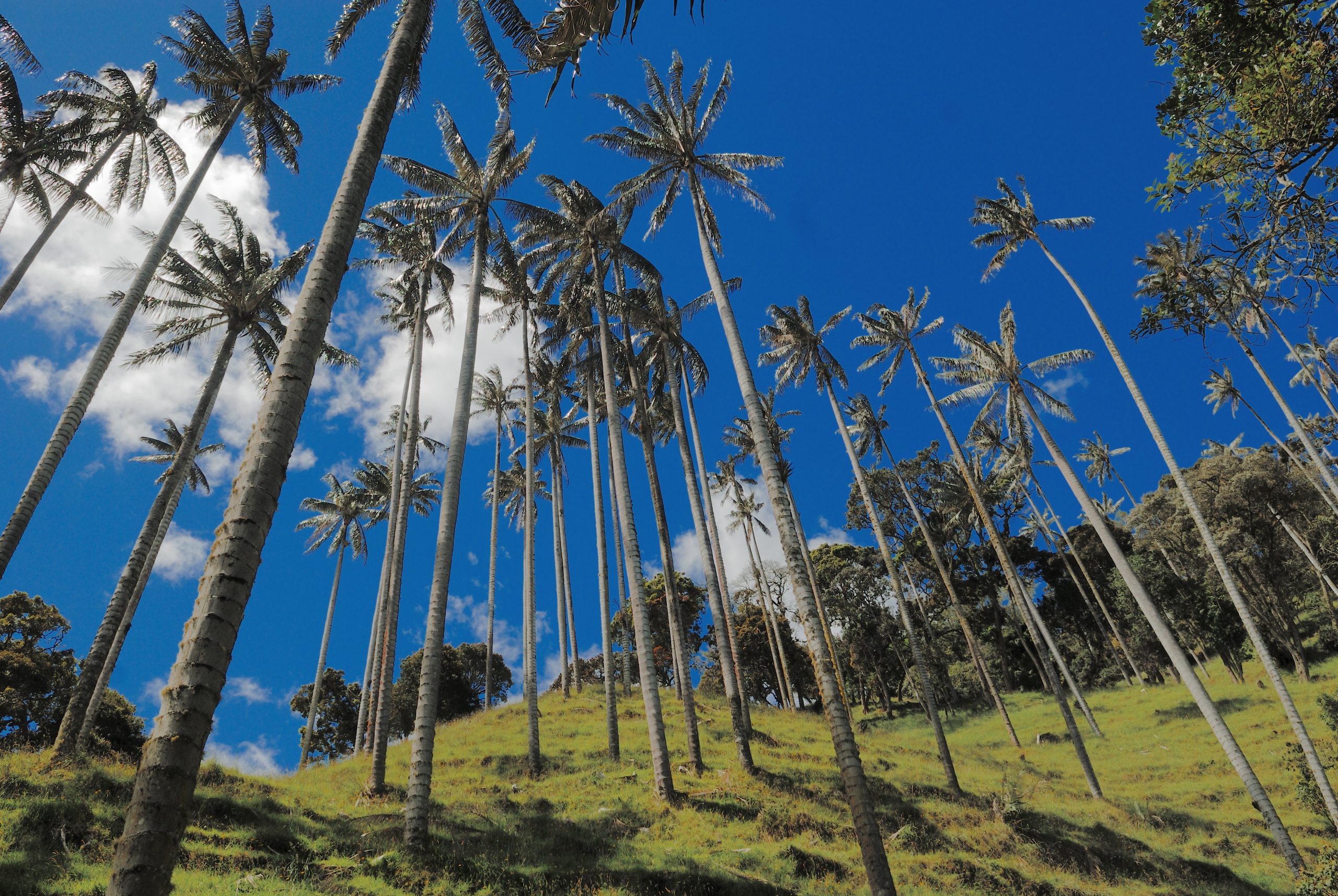
Discover Salamina, a charming mountain town in Caldas known for colorful colonial architecture, coffee culture, spectacular landscapes, and authentic rural traditions.
-
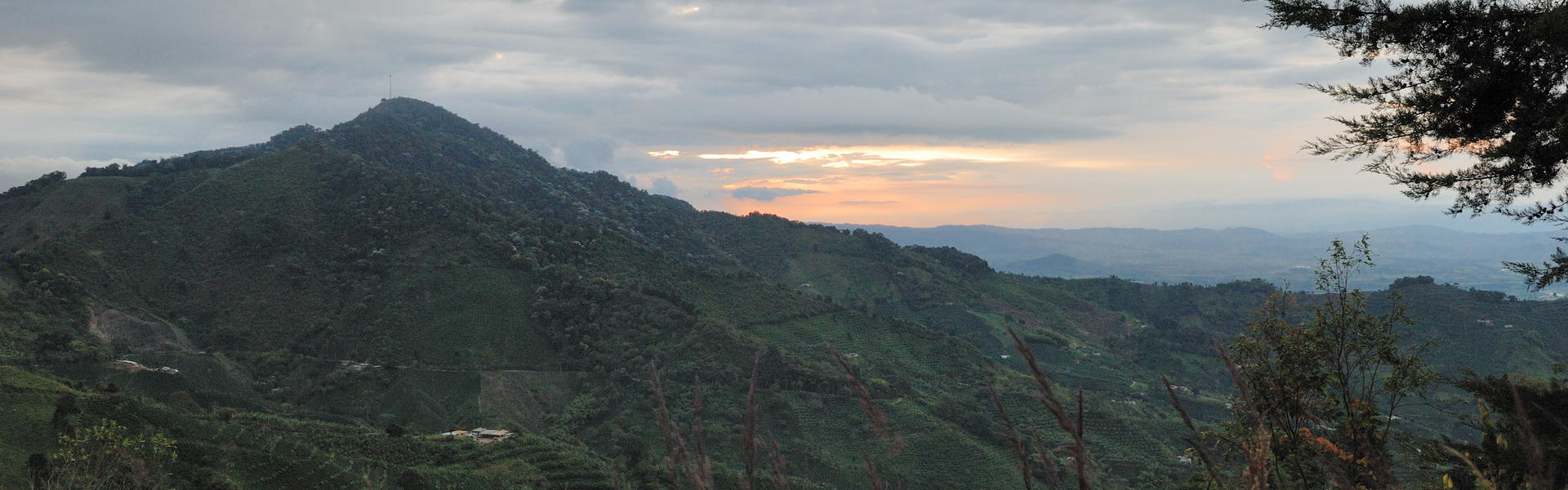
Discover Manizales, a vibrant city in Colombia’s Coffee Region, known for its steep hills, coffee culture, lively atmosphere, and spectacular Andean views, including Nevado del Ruiz.
-
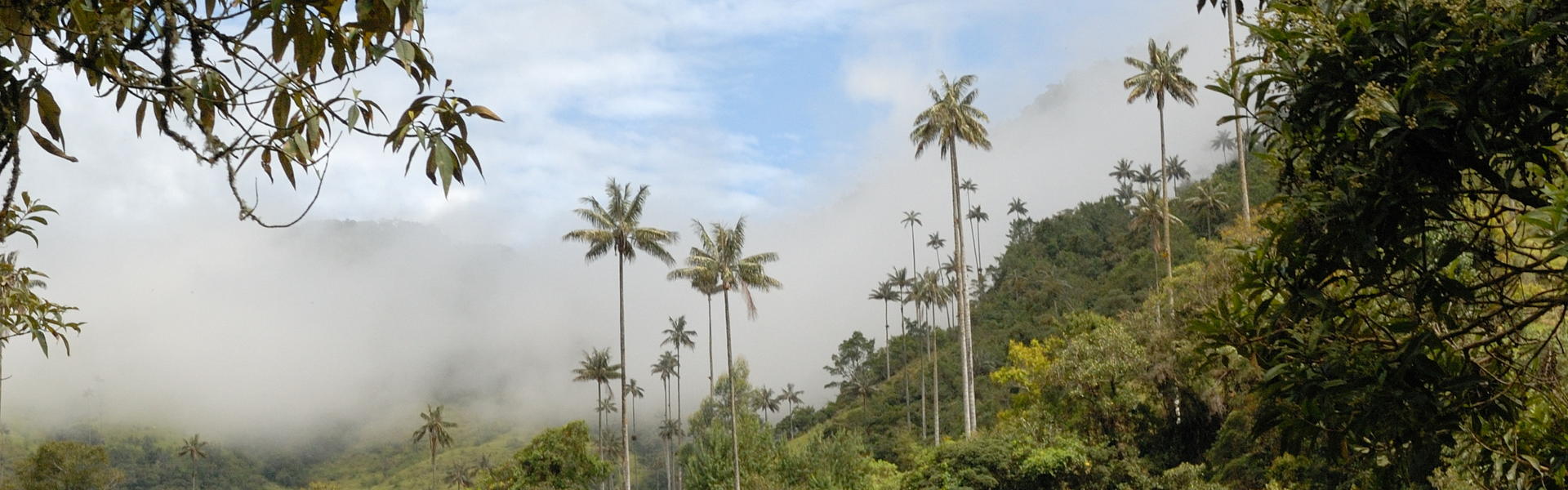
Set in the famous Cocora Valley in Salento, Quindio, Colombia, the Acaime Natural Reserve is famous for its hummingbirds, palm trees, stunning paths, and horse riding. The valley is regarded as the cradle of the Wax Palm, known to live…
-

Discover Salento, a colorful colonial town in Colombia’s Coffee Region, known for its coffee culture, vibrant streets, and gateway to the spectacular Cocora Valley and Los Nevados National Park.
-
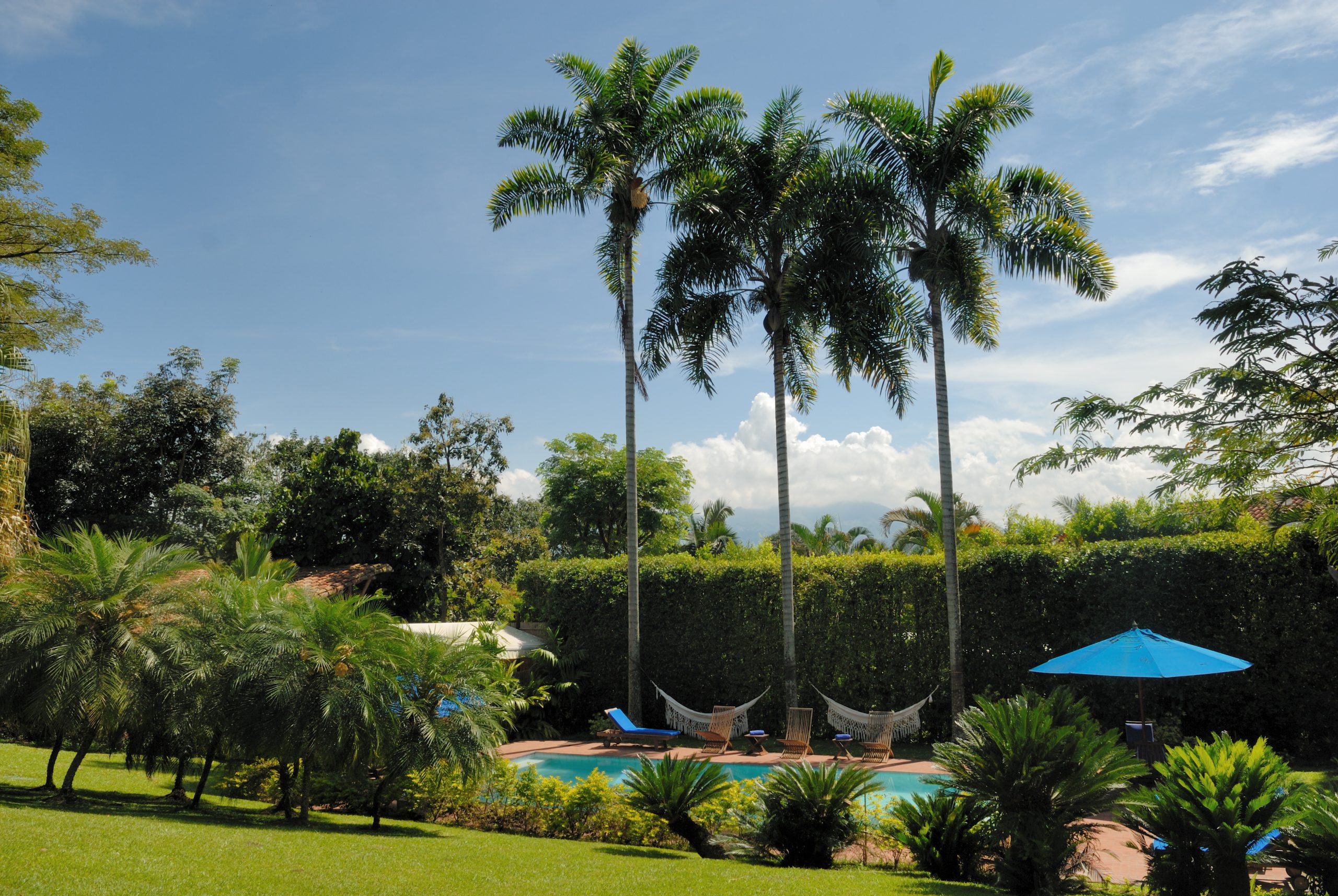
Discover Pereira, a lively city in Colombia’s Coffee Region, surrounded by coffee farms, lush mountains, nature reserves, and relaxing thermal springs.
-
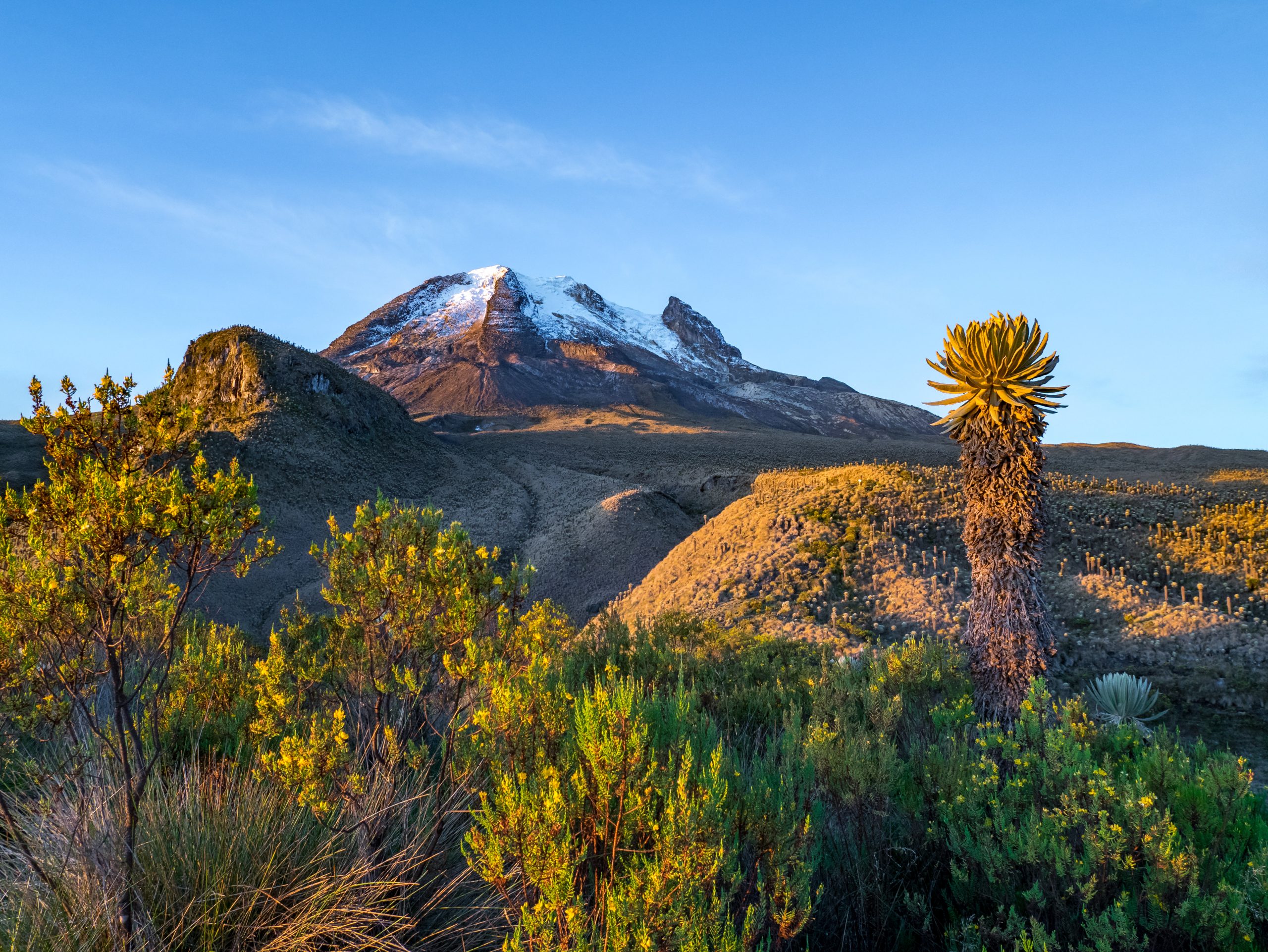
Explore Los Nevados National Natural Park in Colombia’s Central Andes, a spectacular high-altitude landscape within the Coffee Region. The park protects a remarkable range of ecosystems, from lush cloud forests and páramo to volcanic peaks, glaciers, and shrublands covered with…
