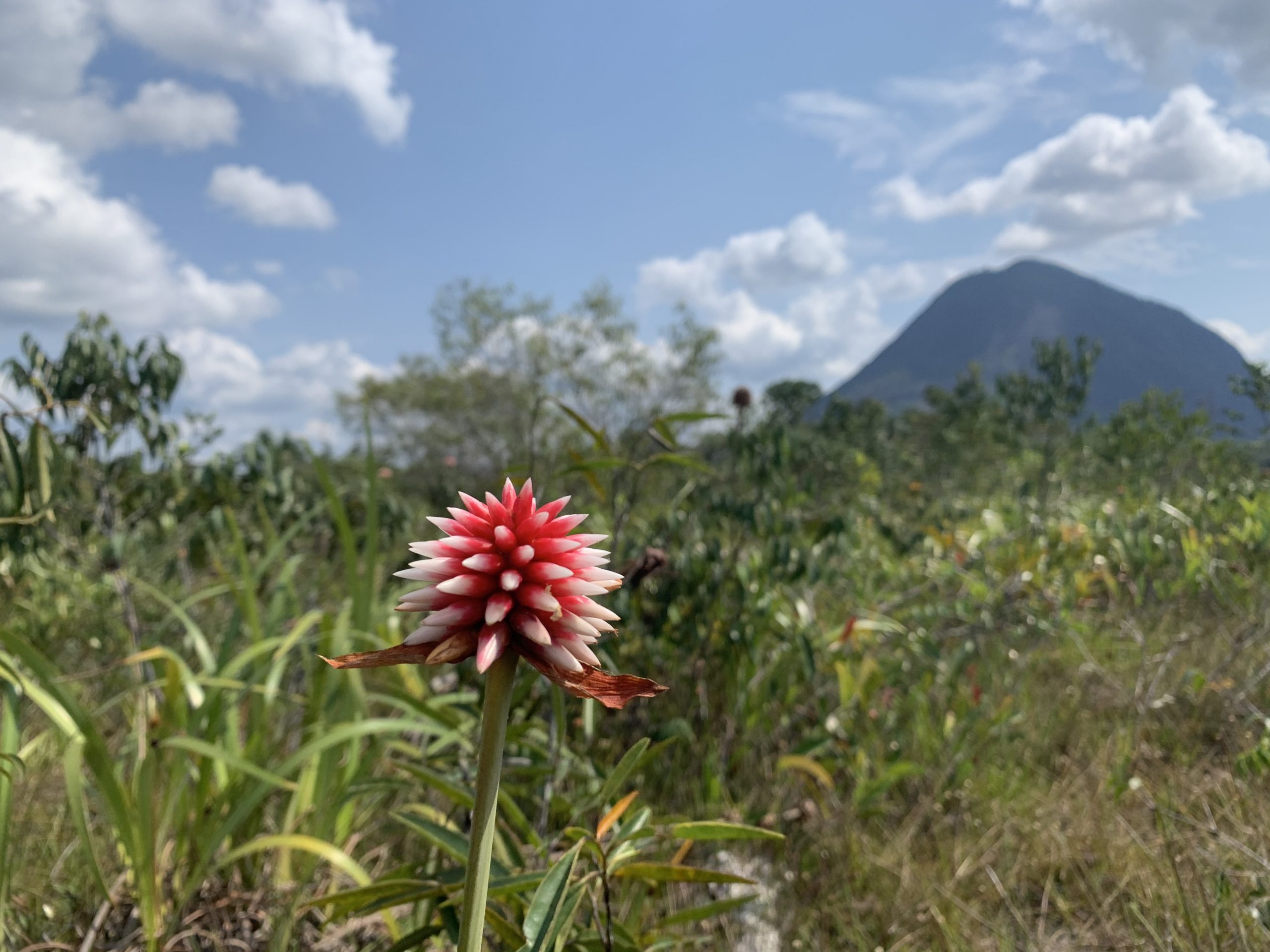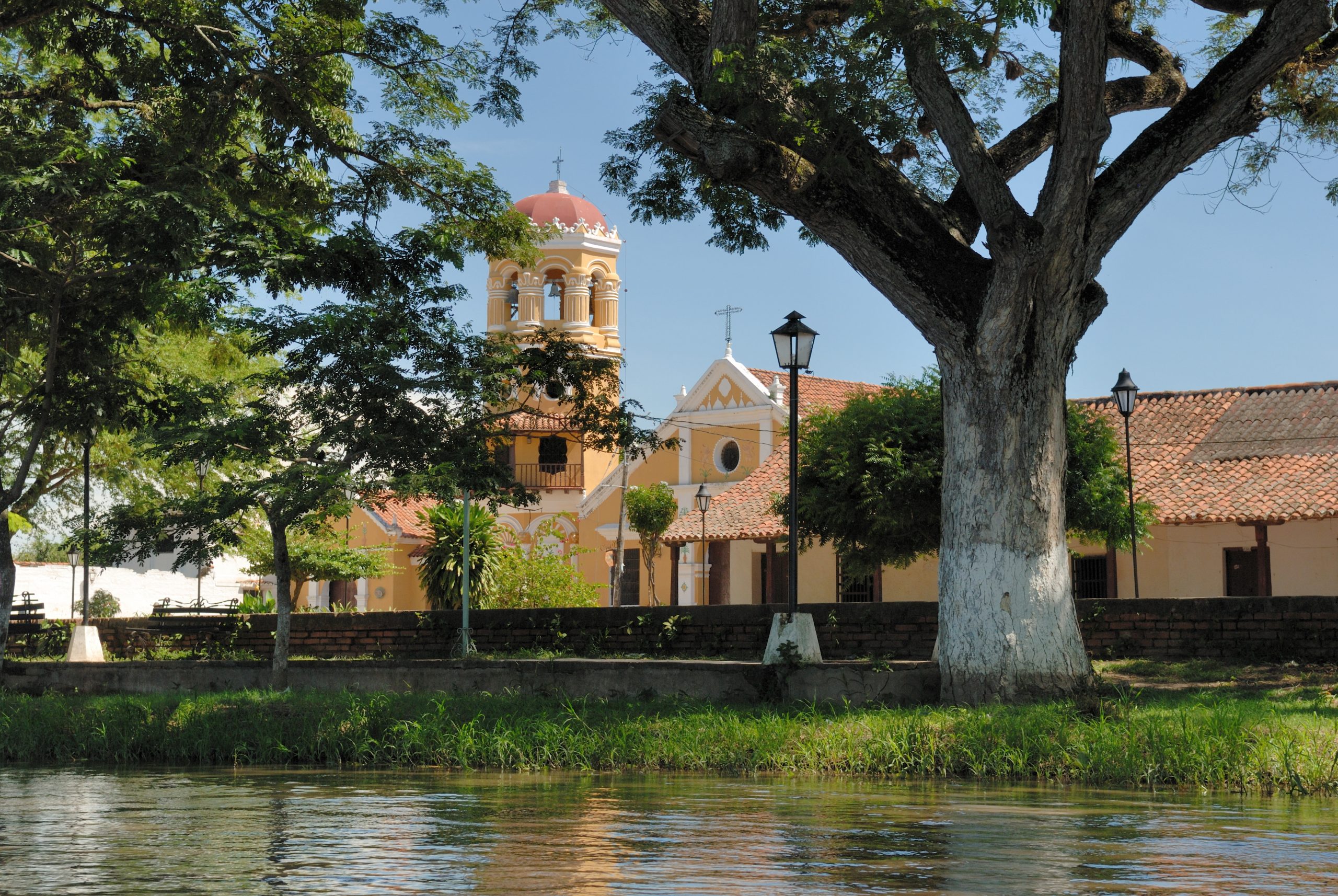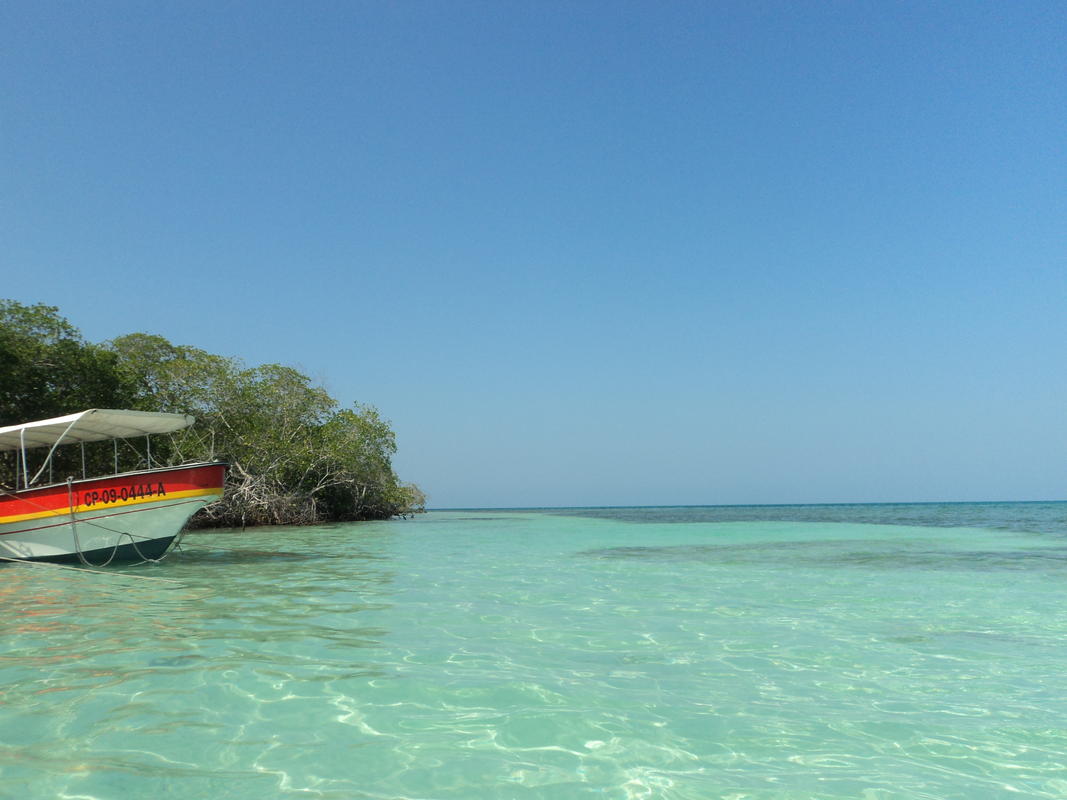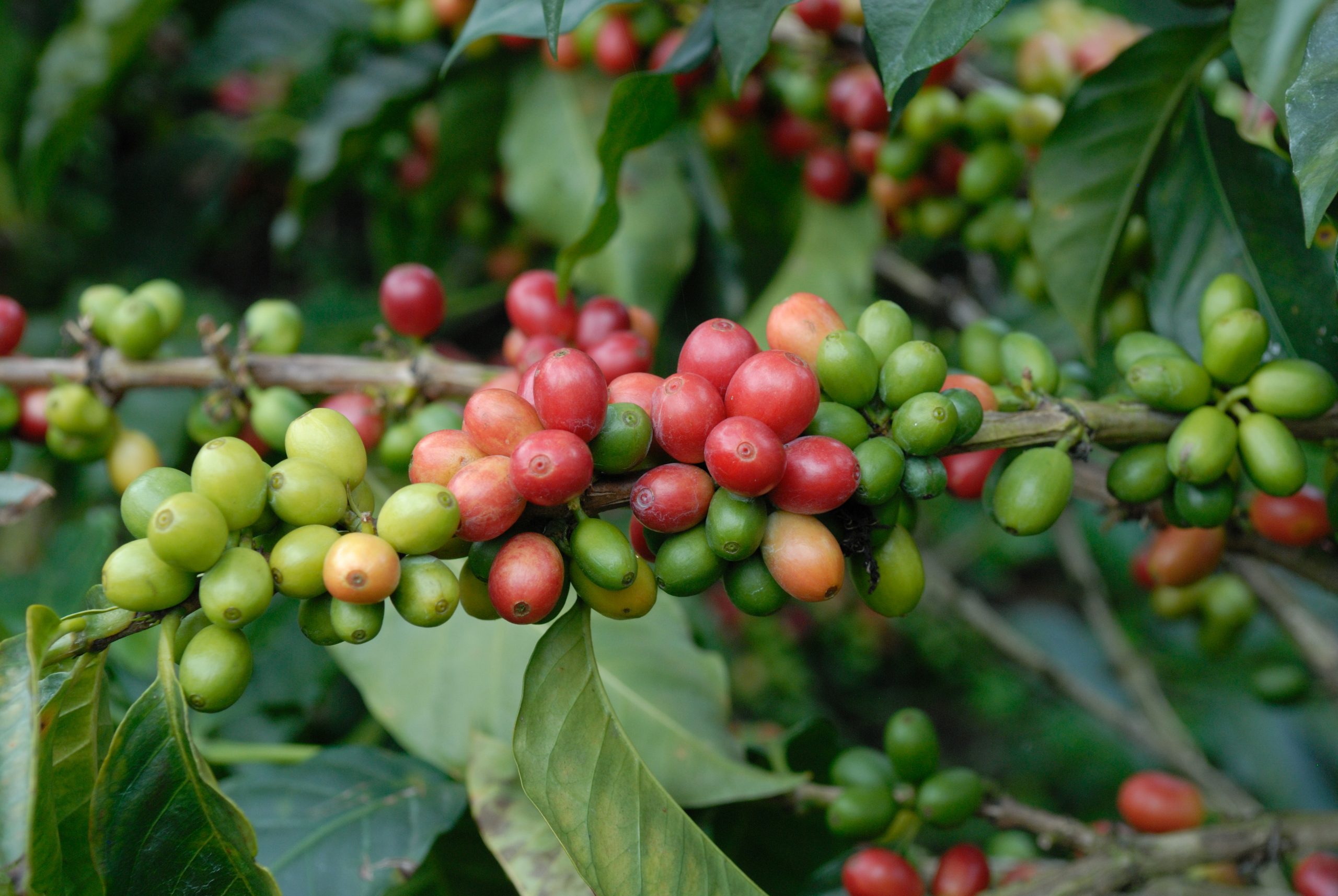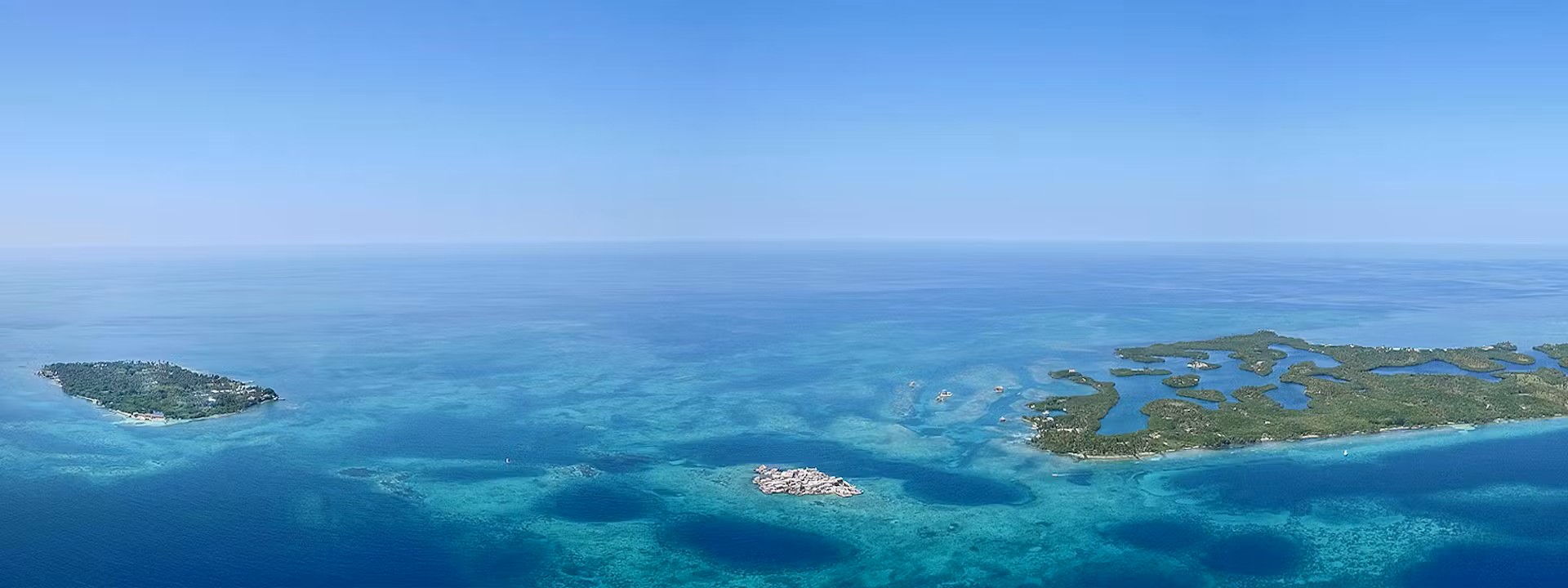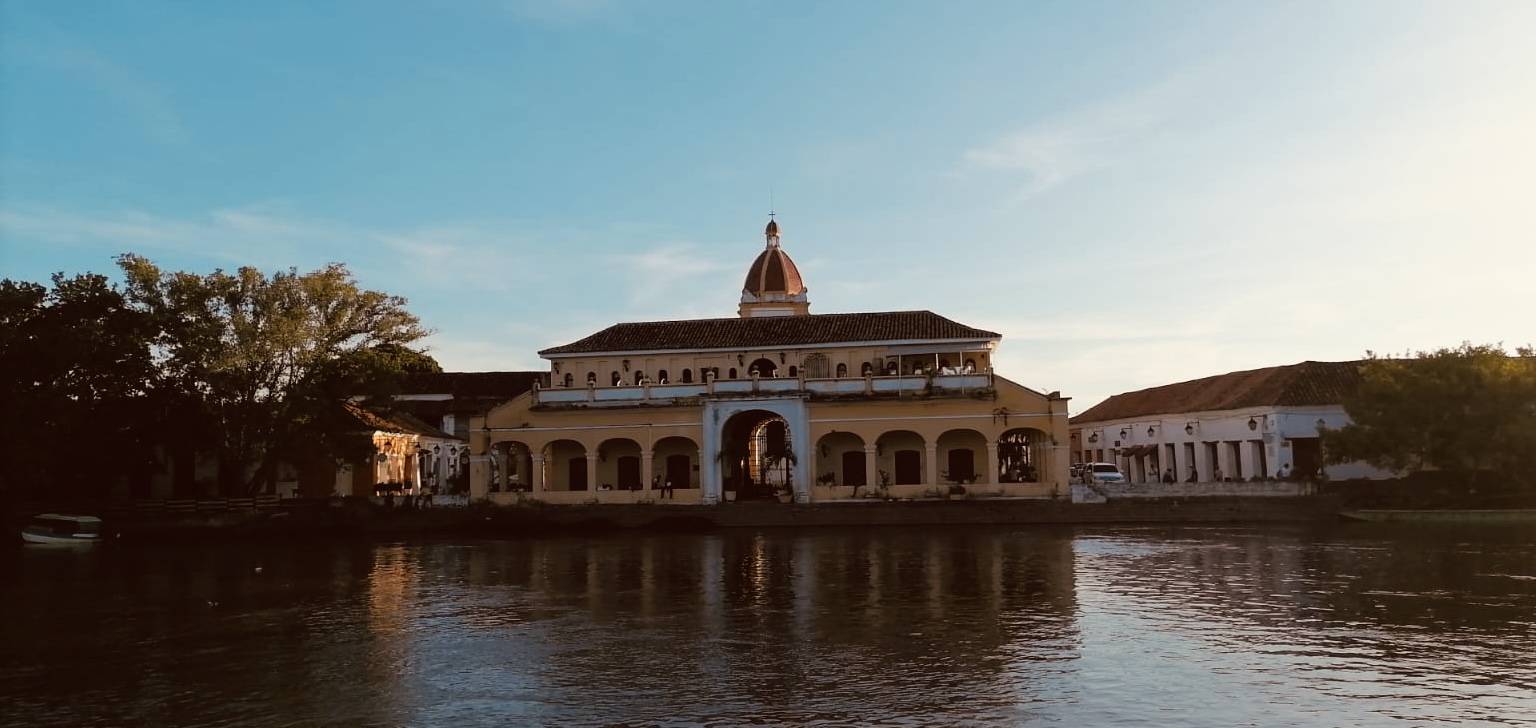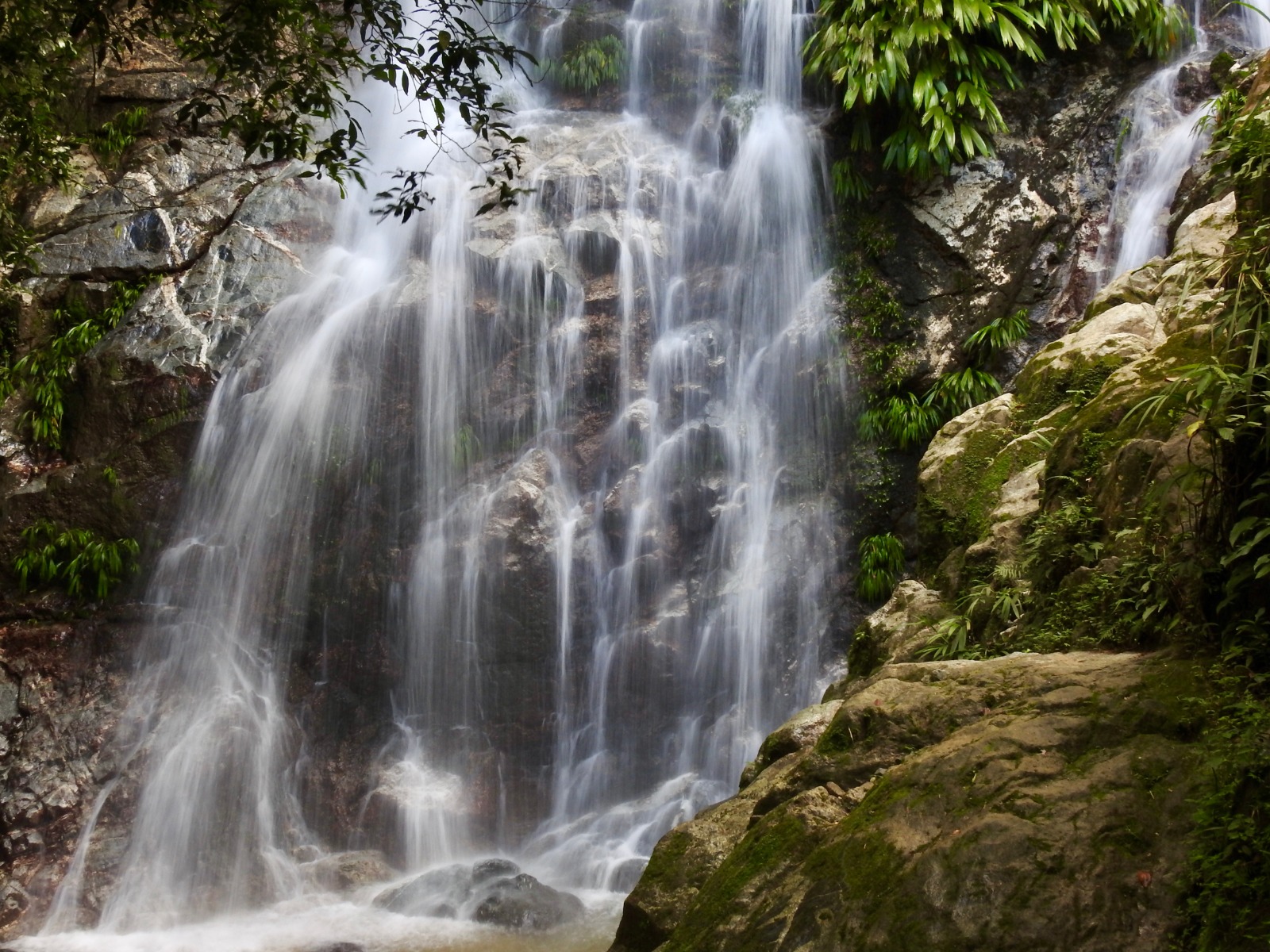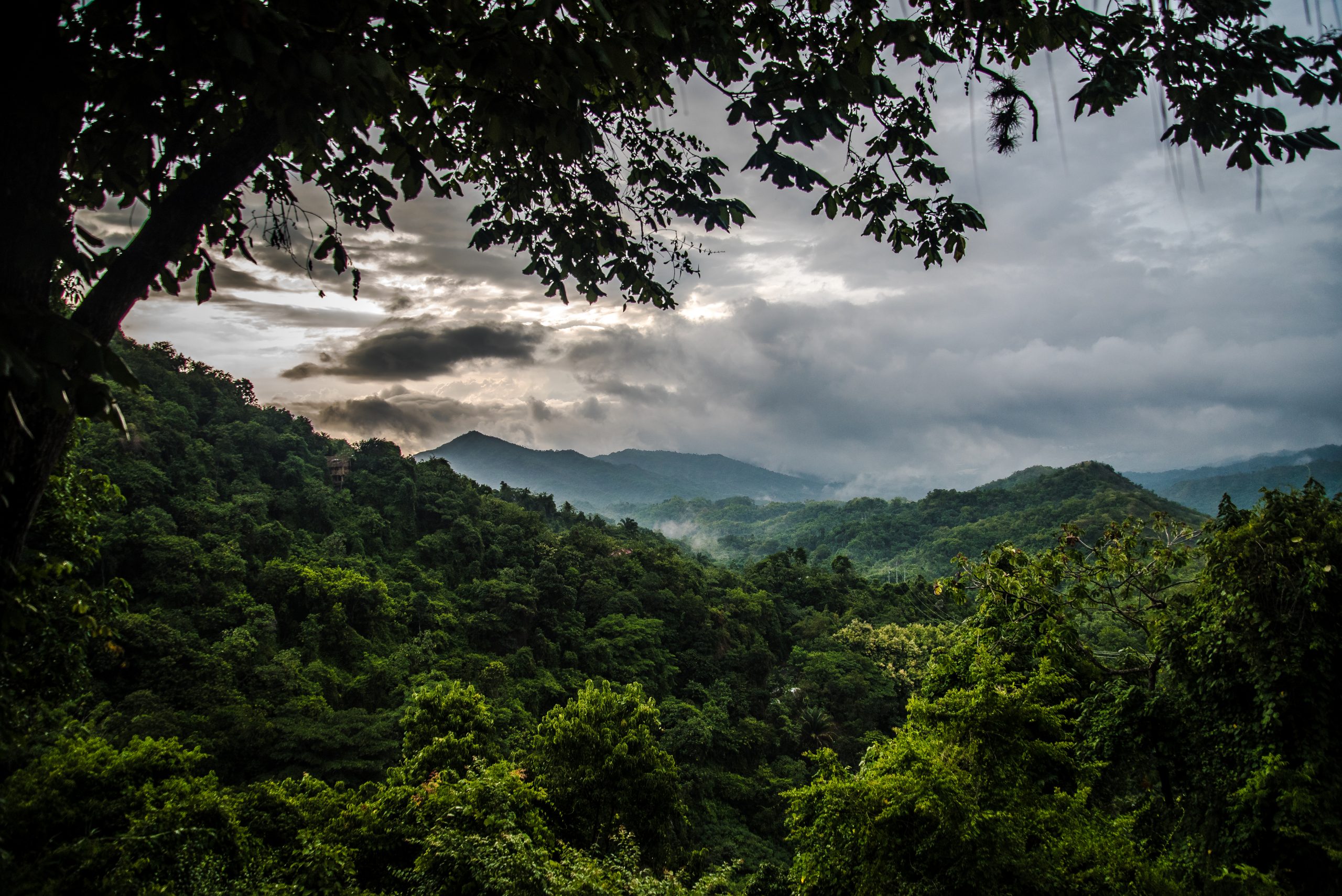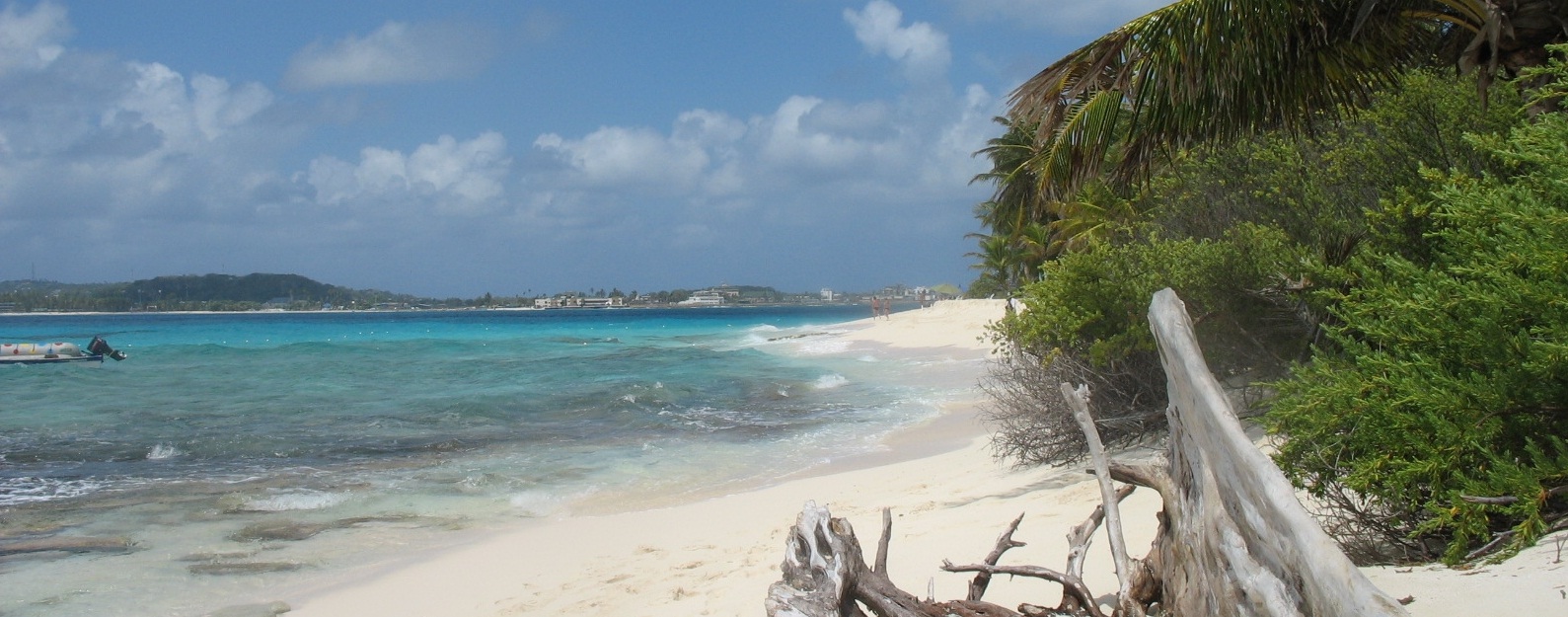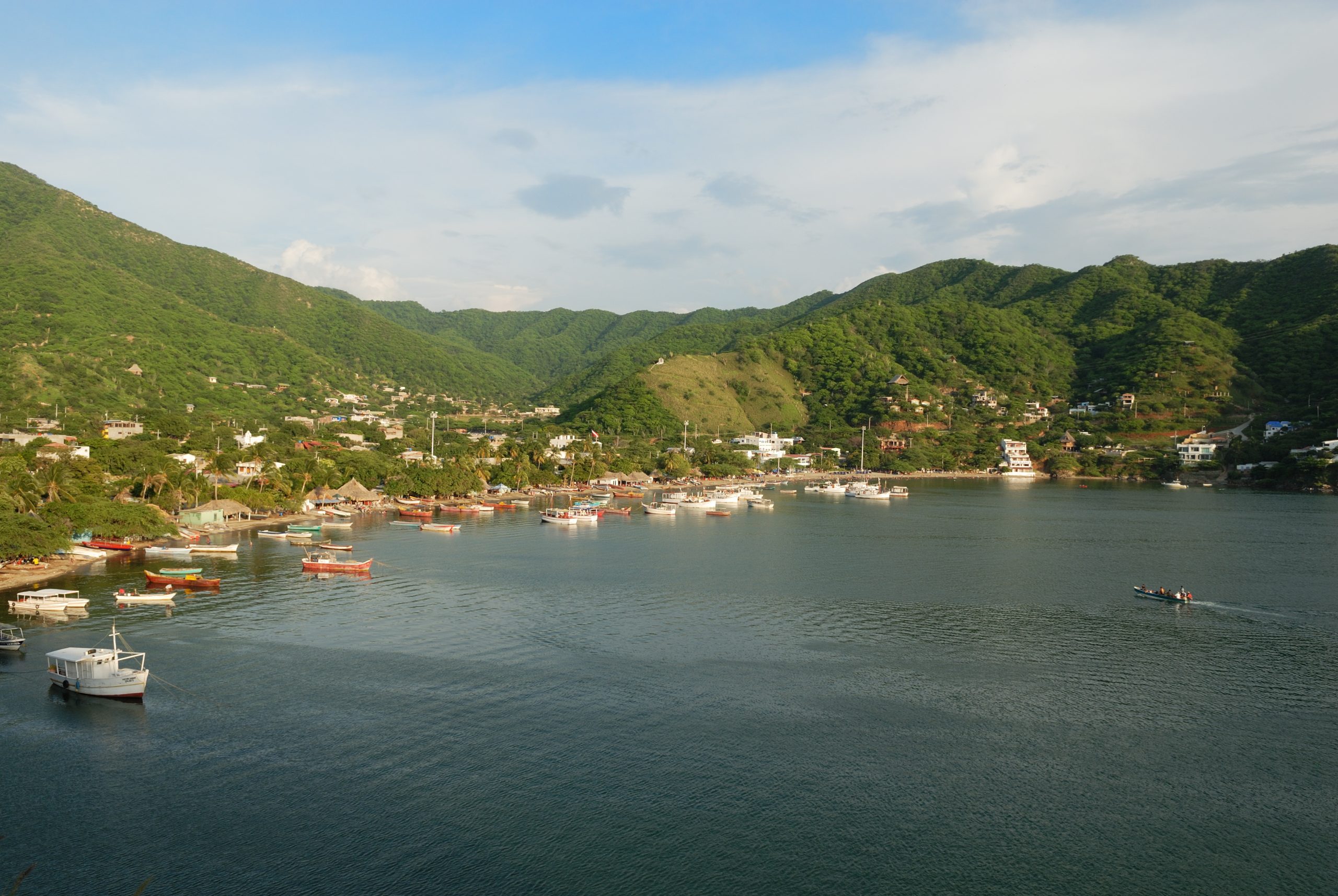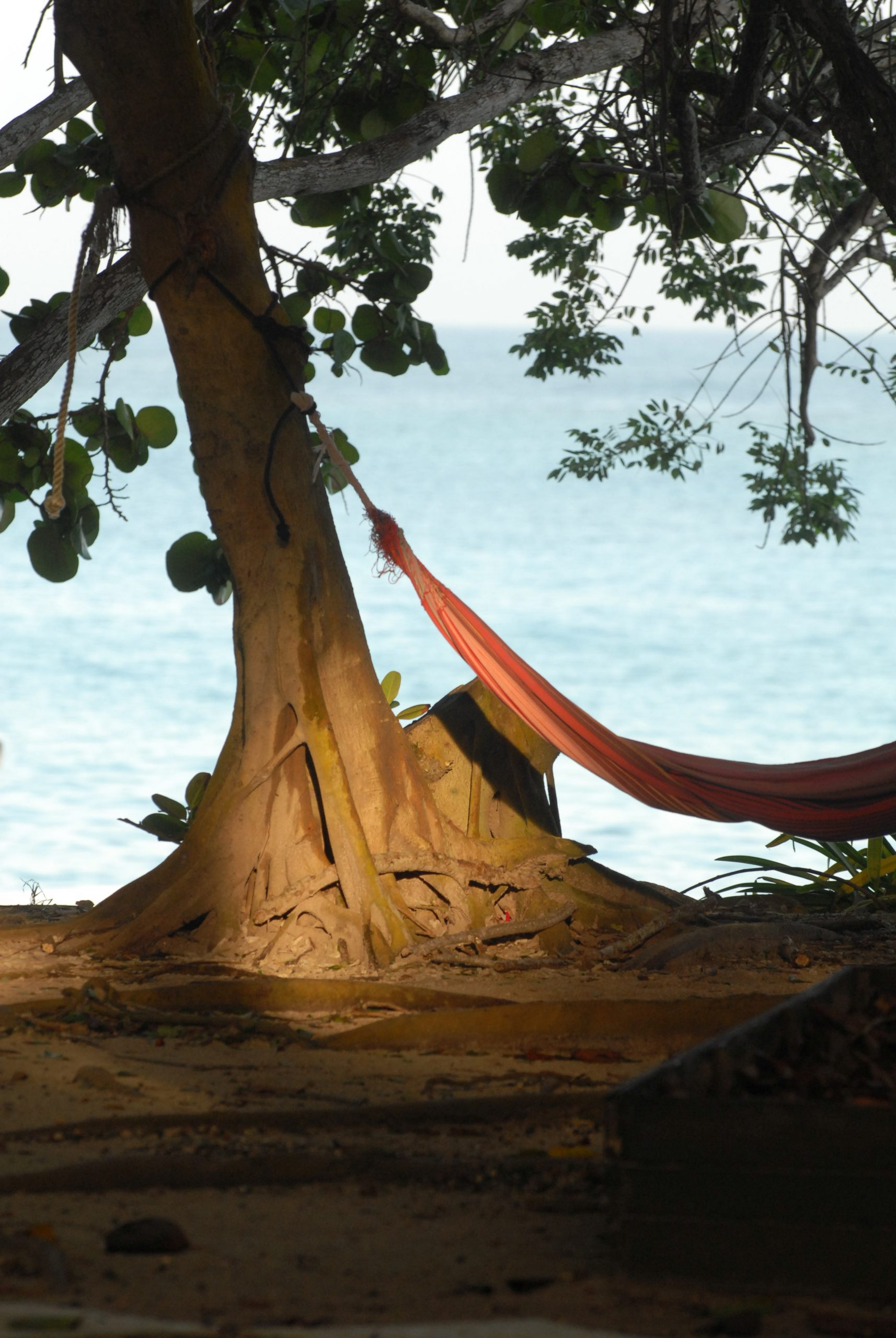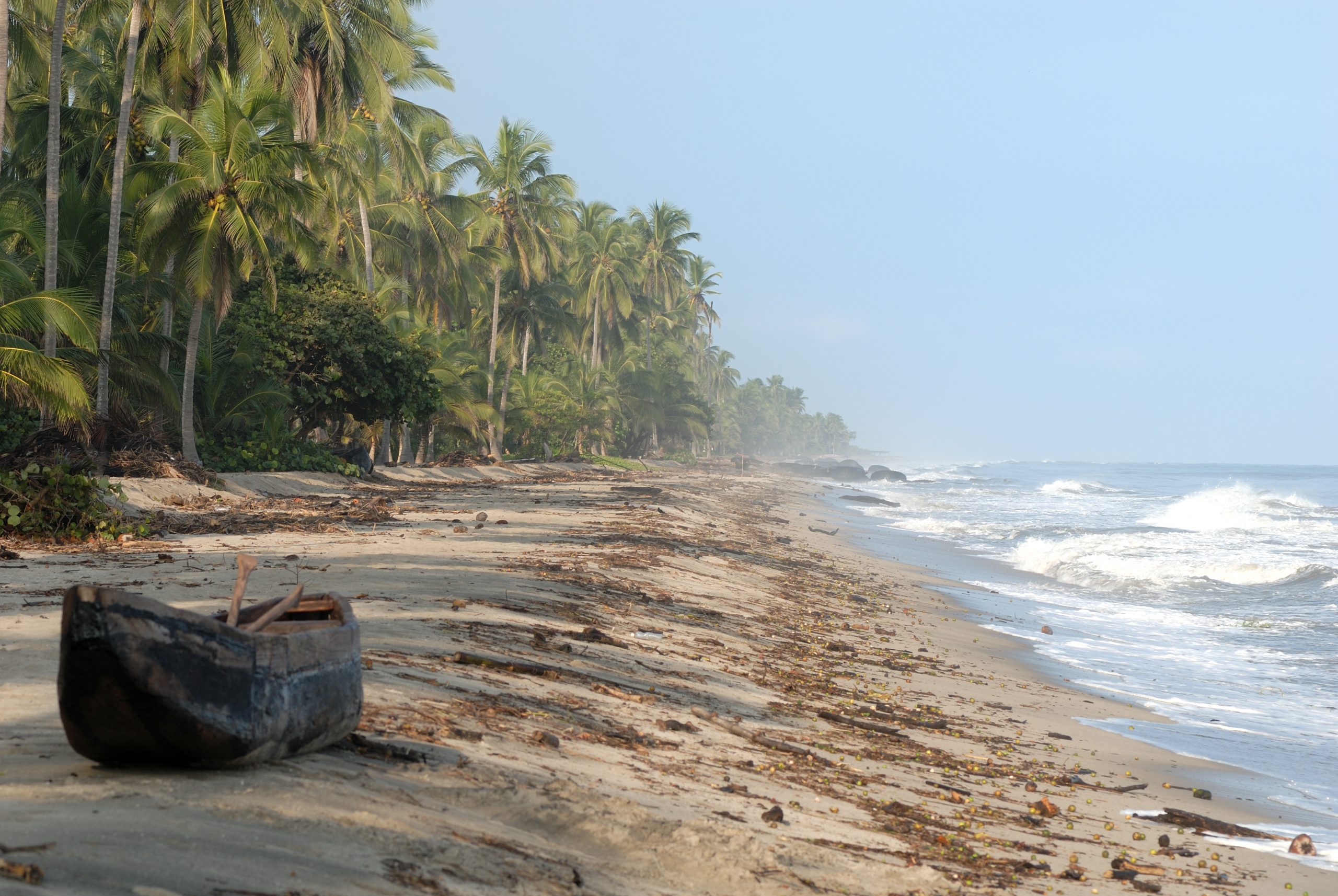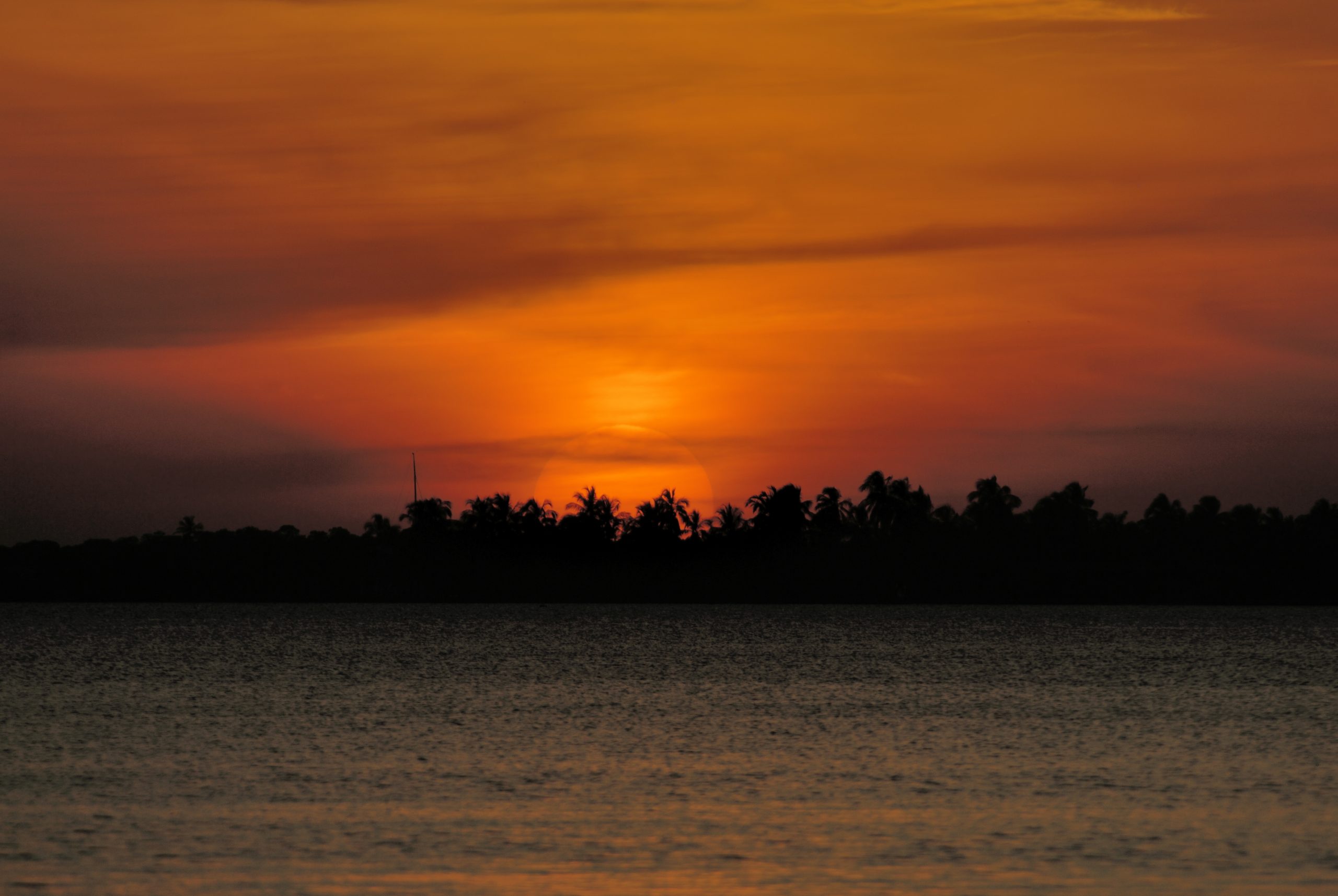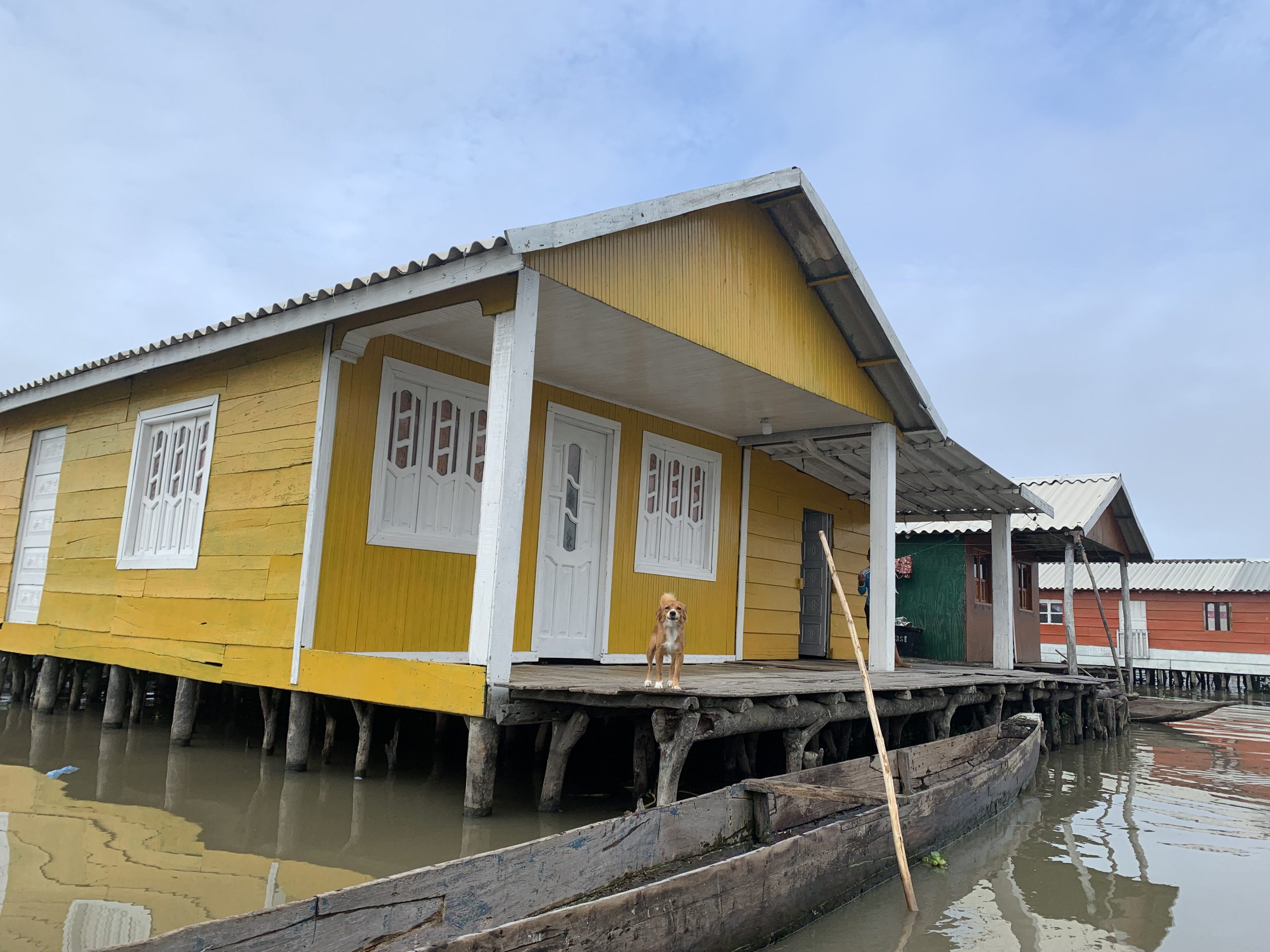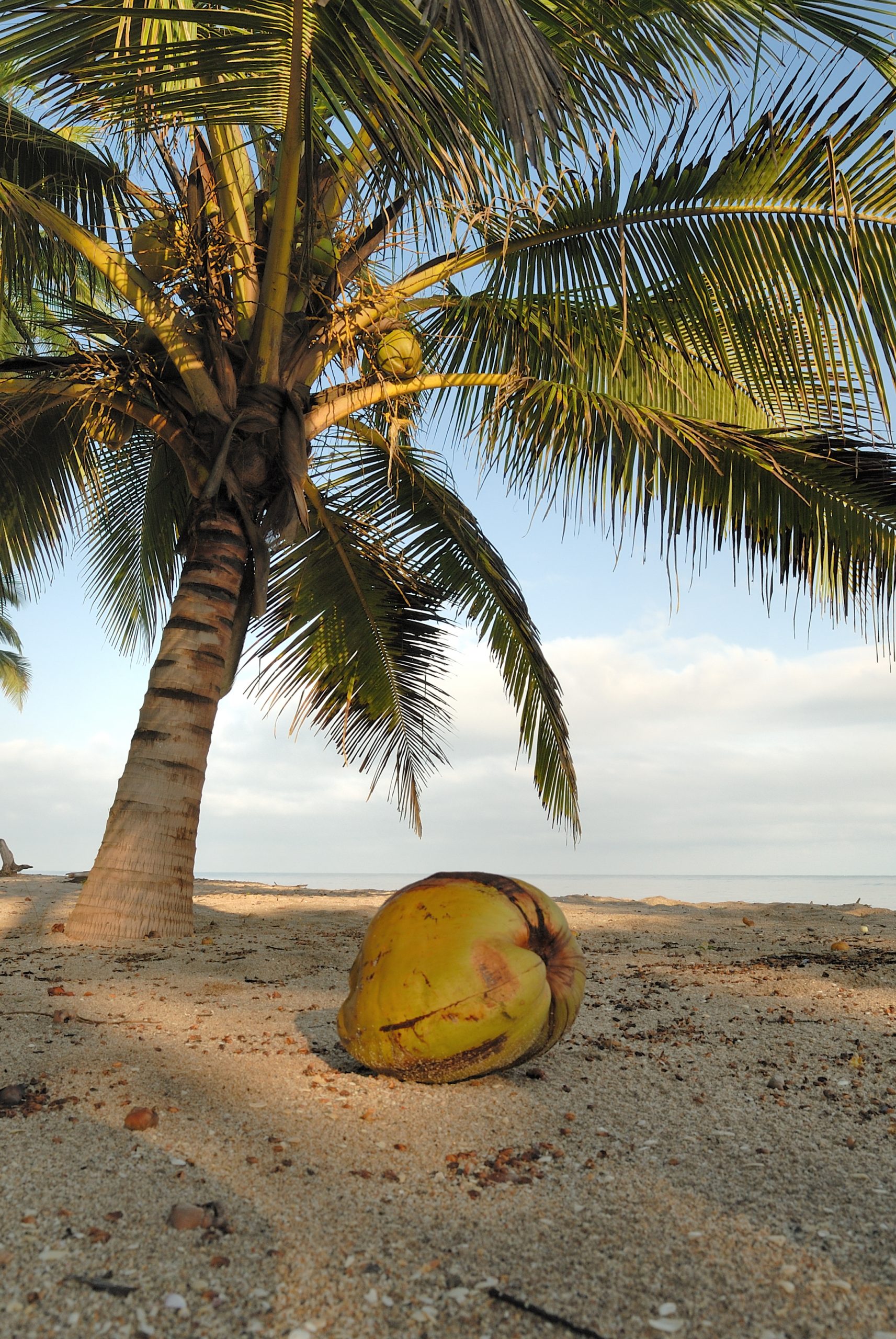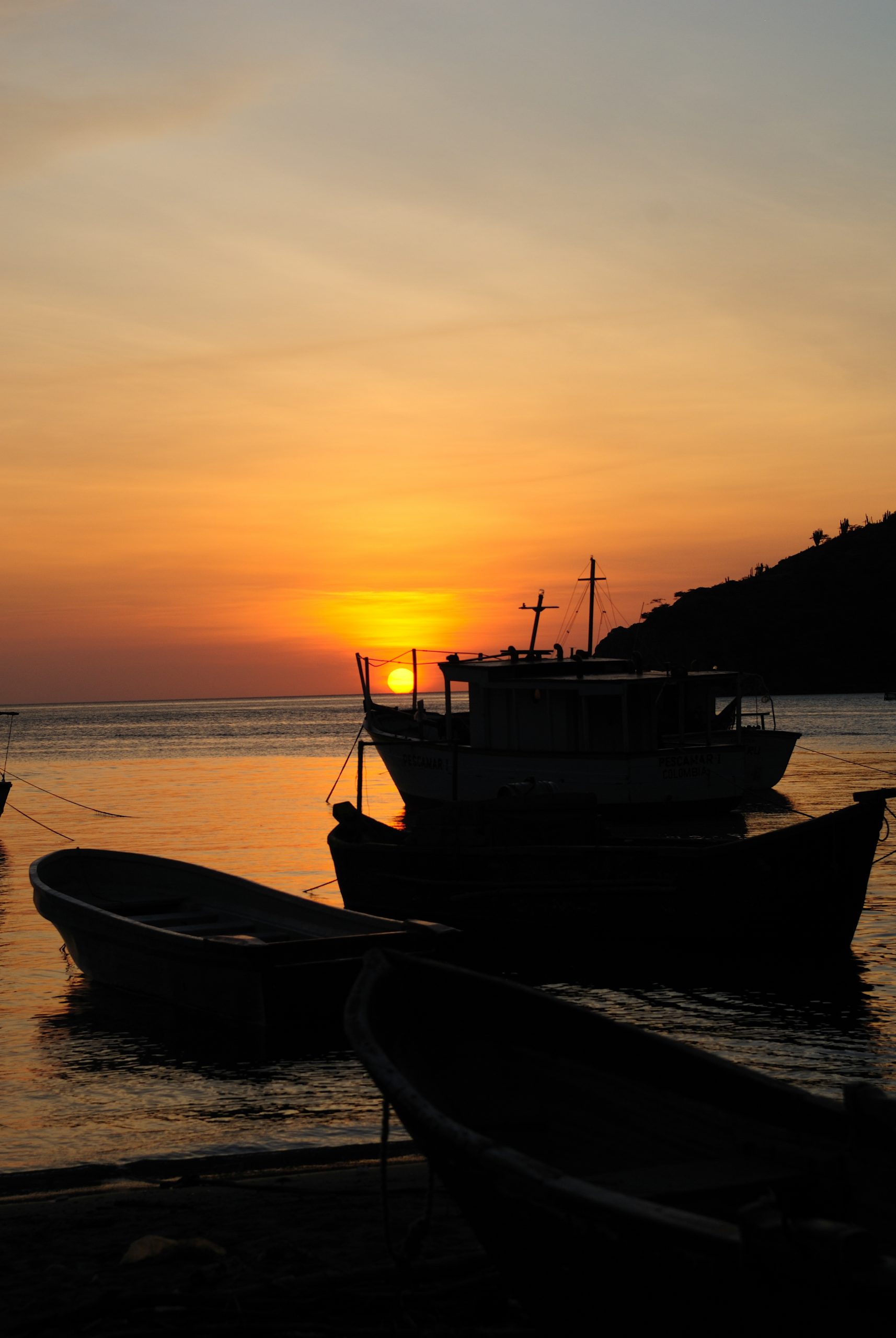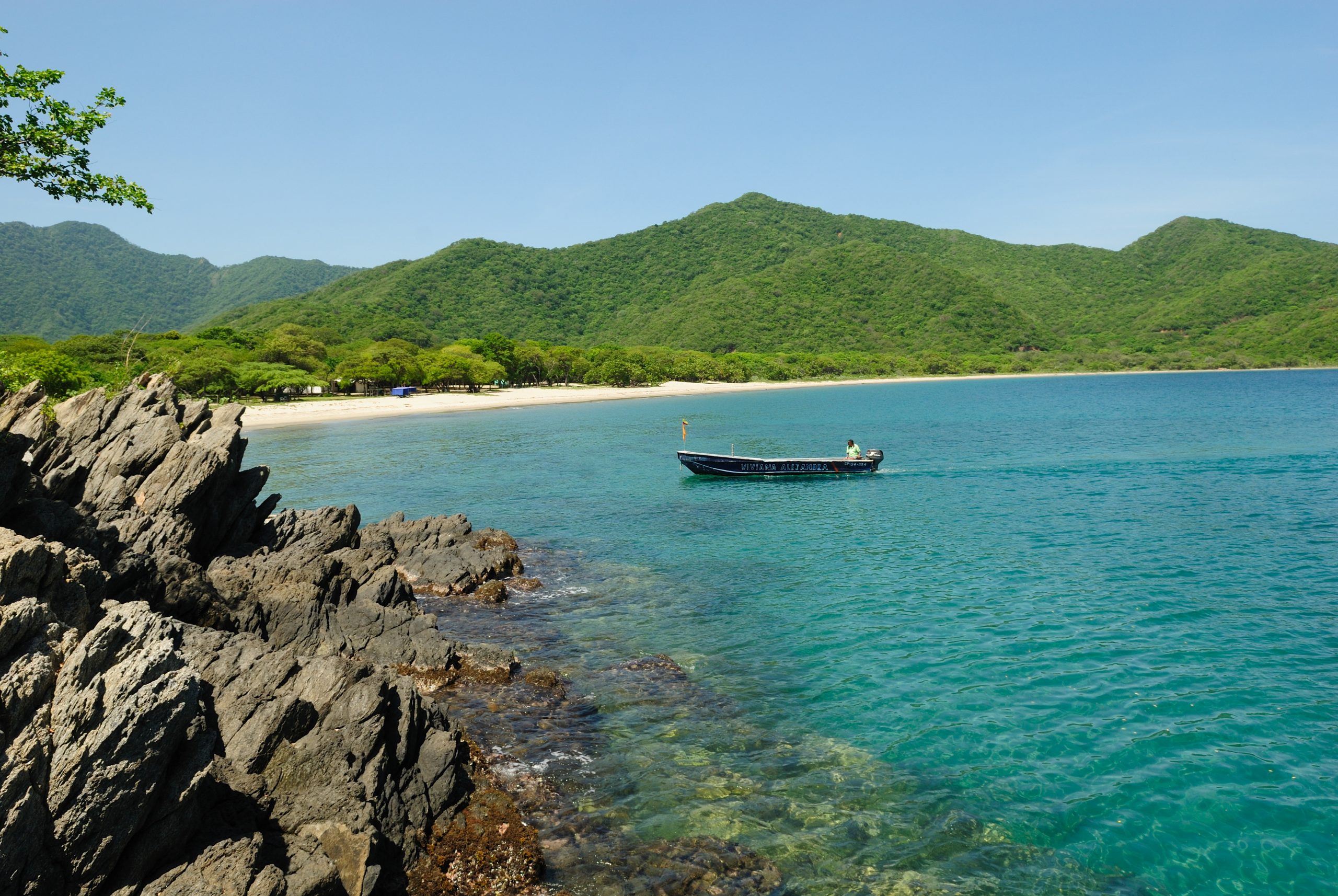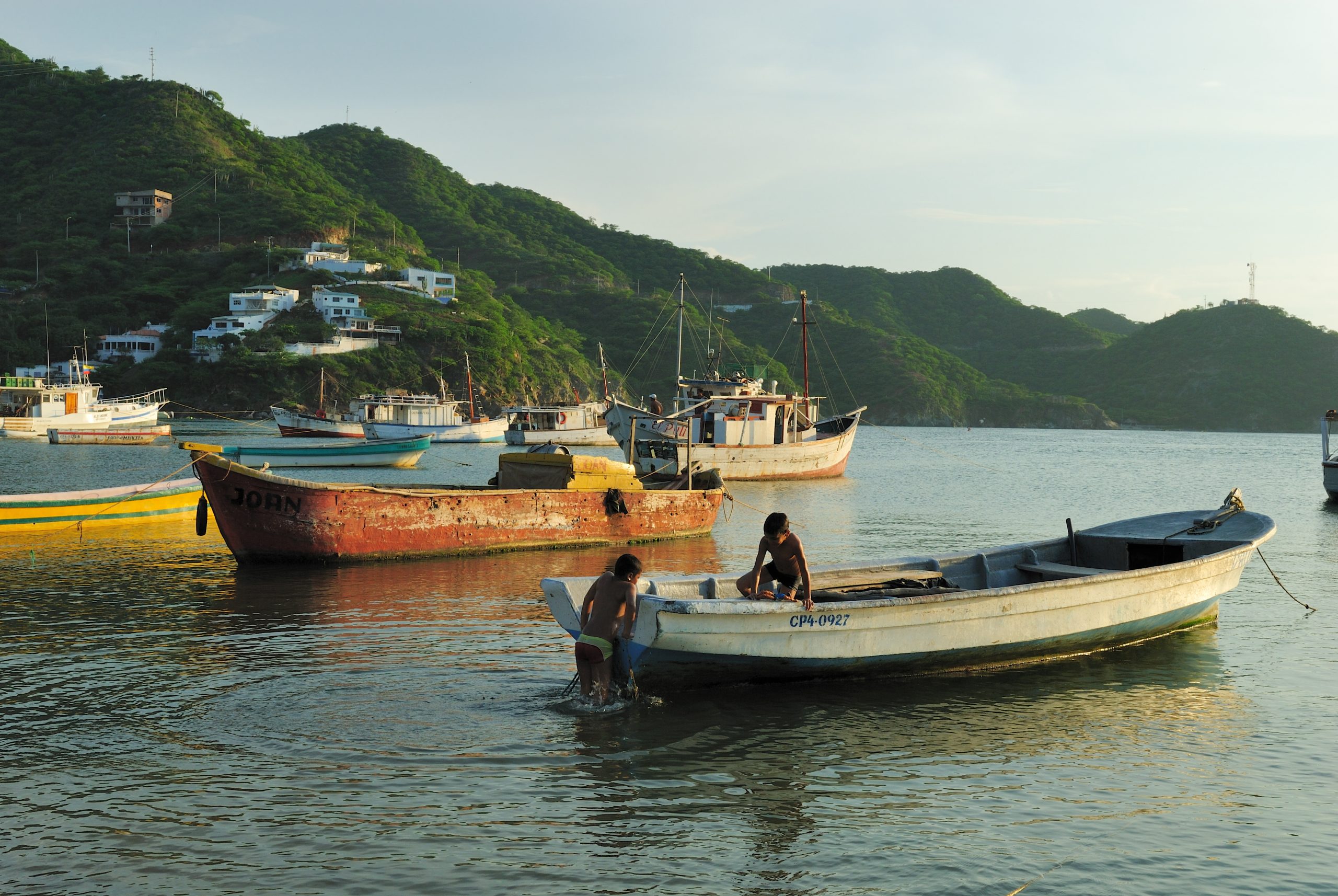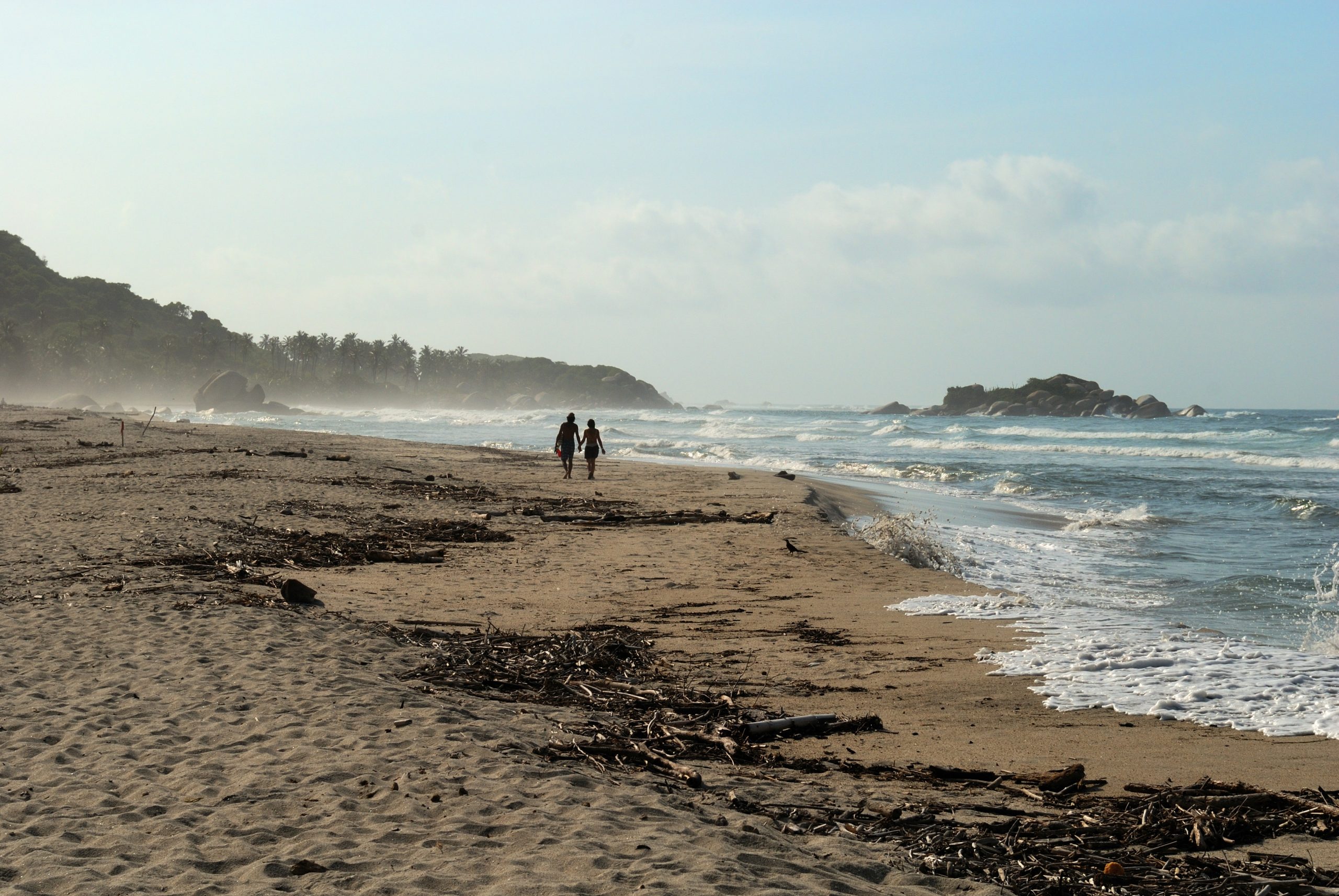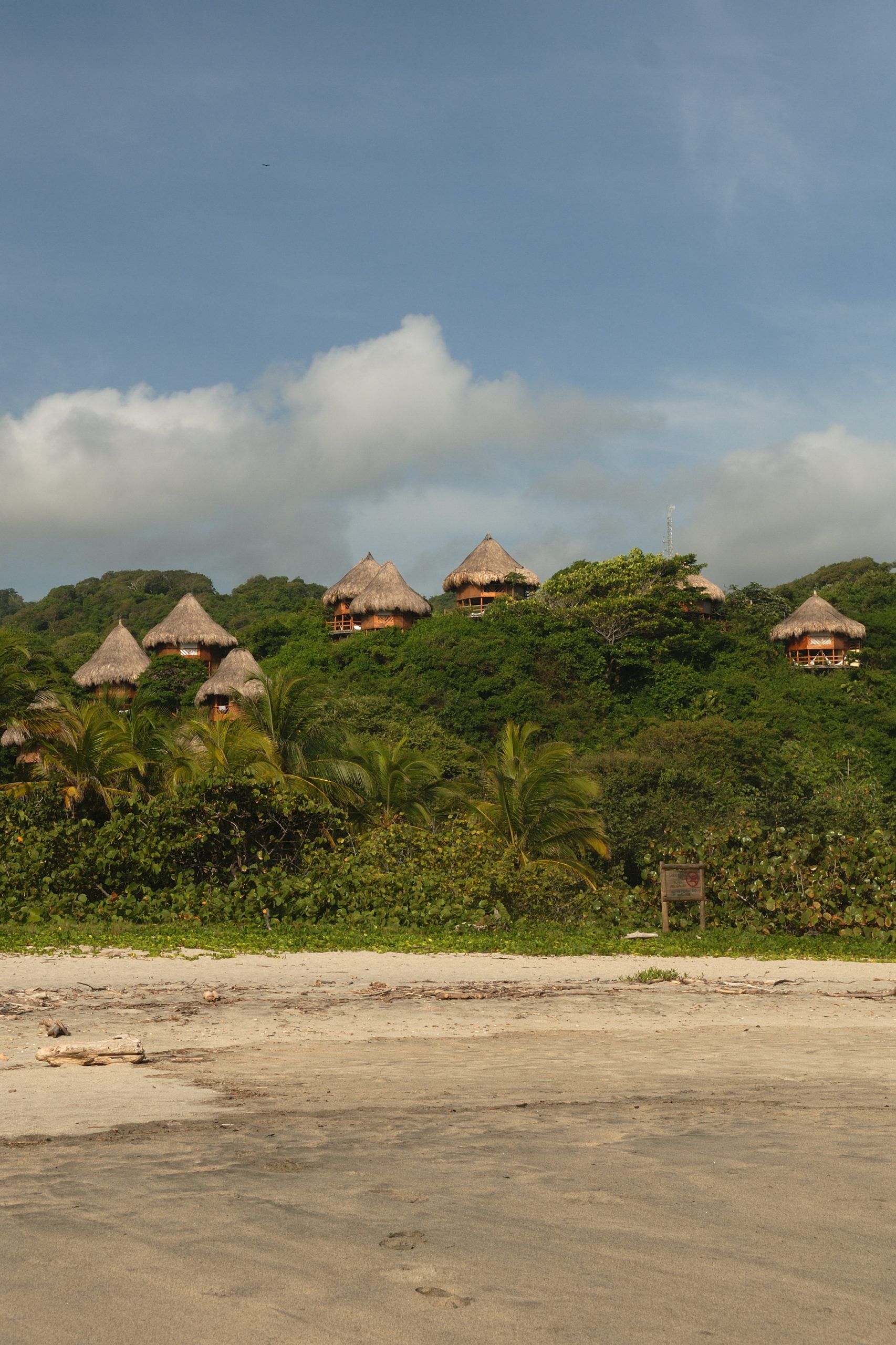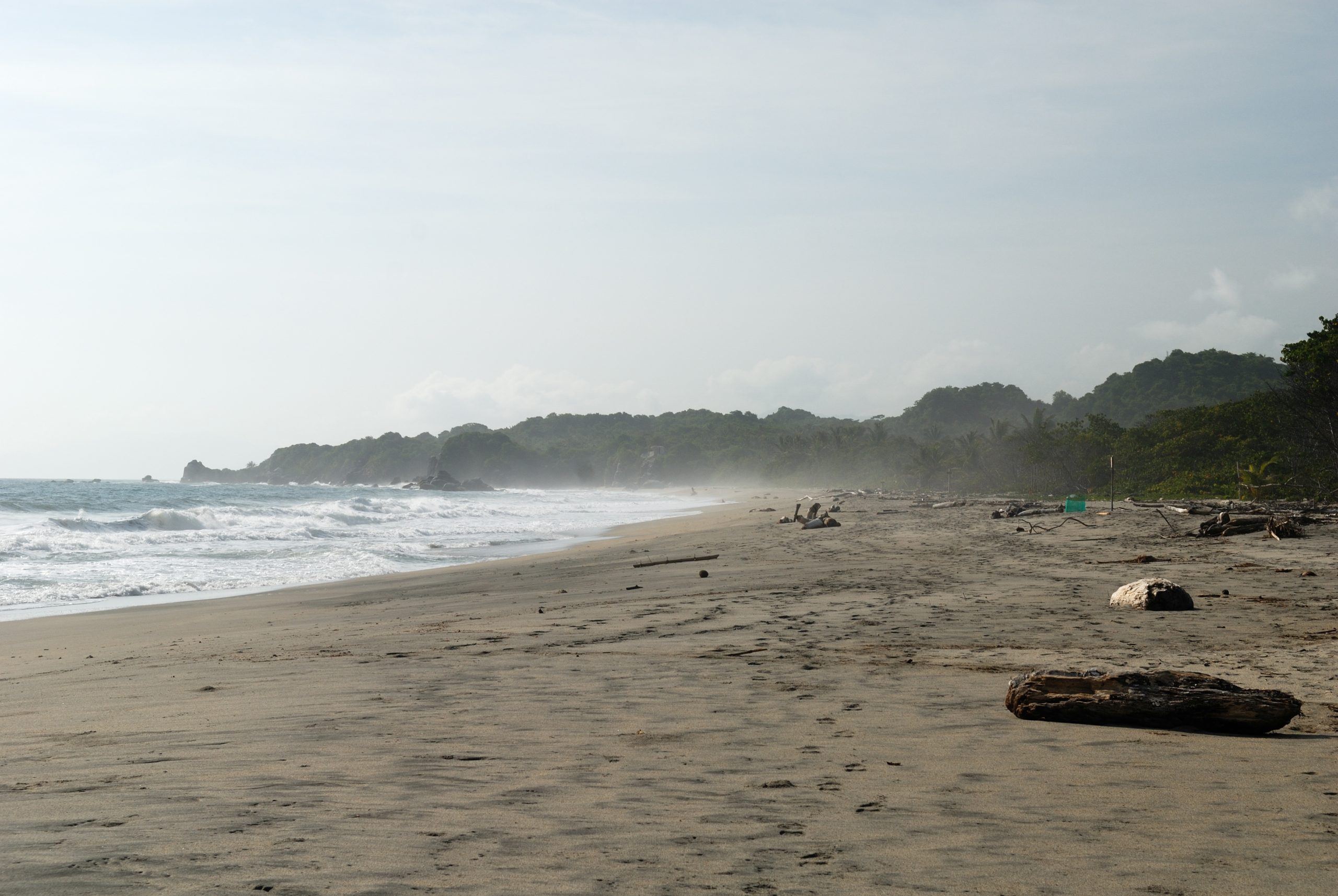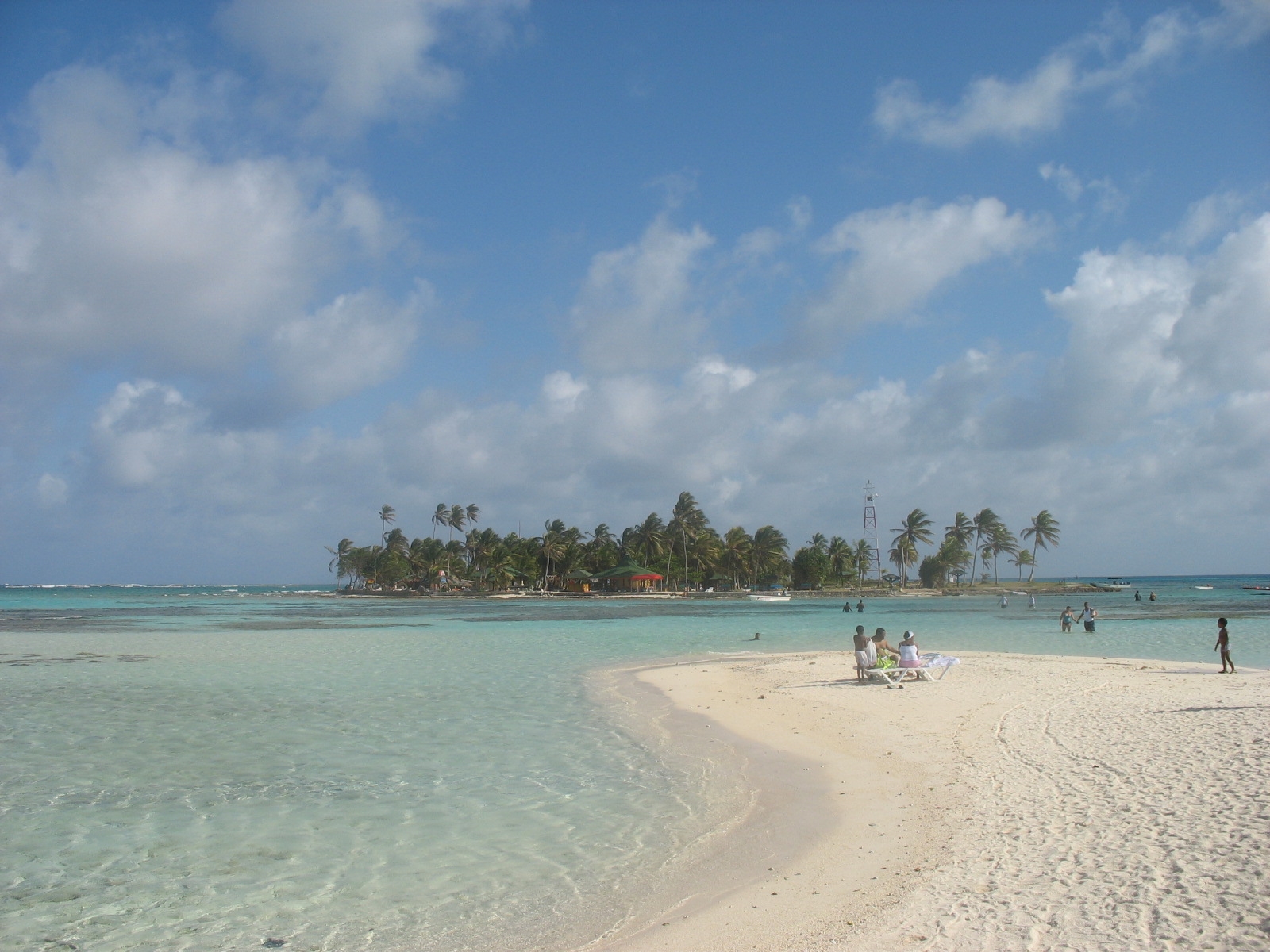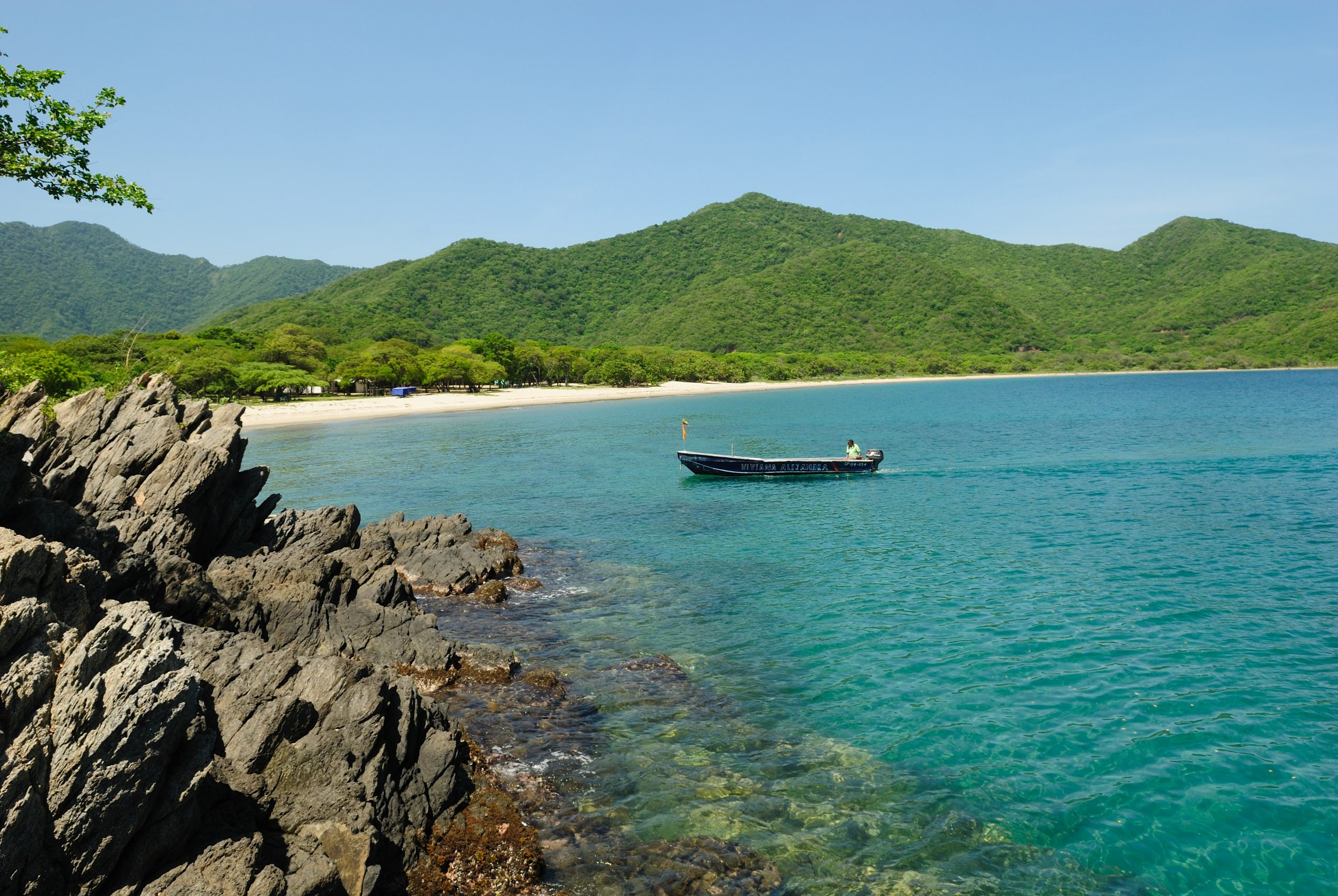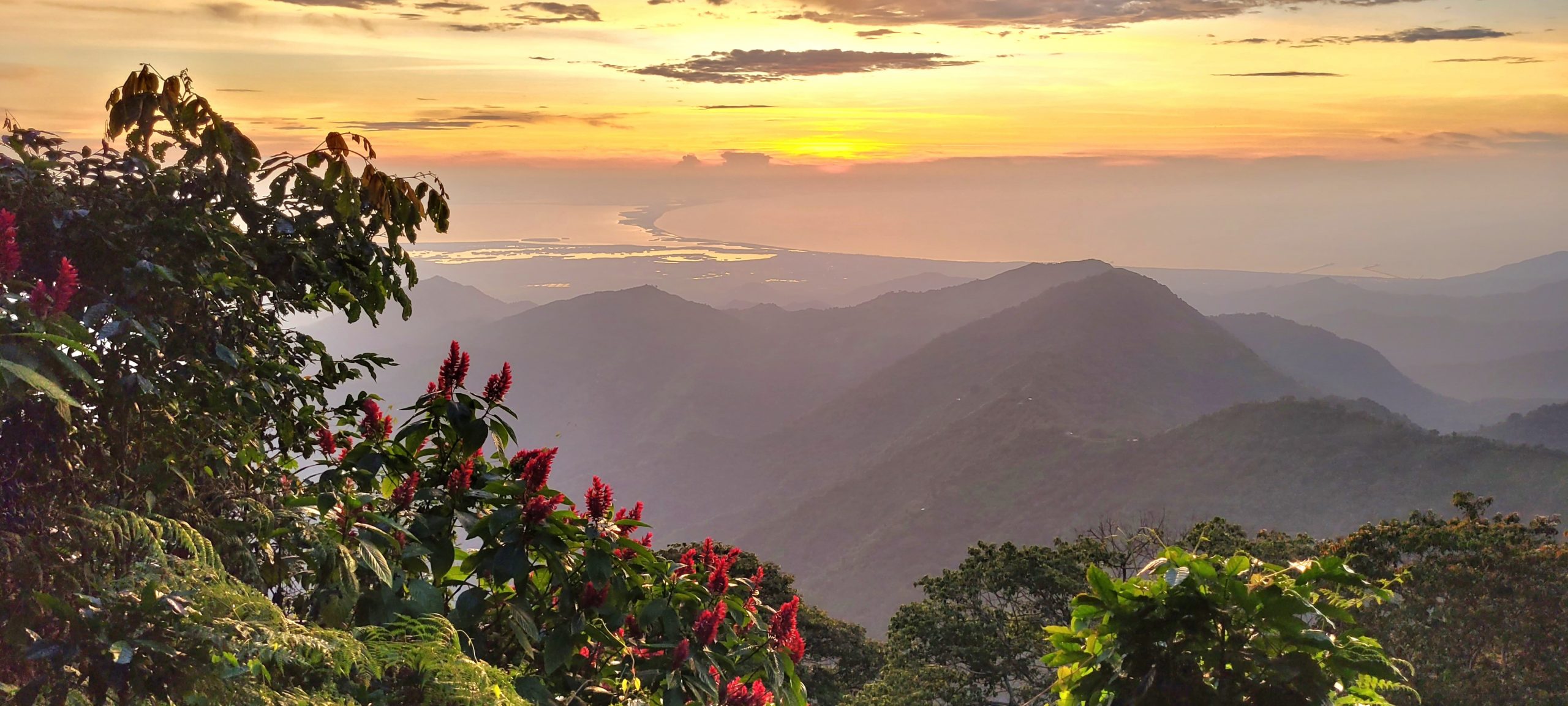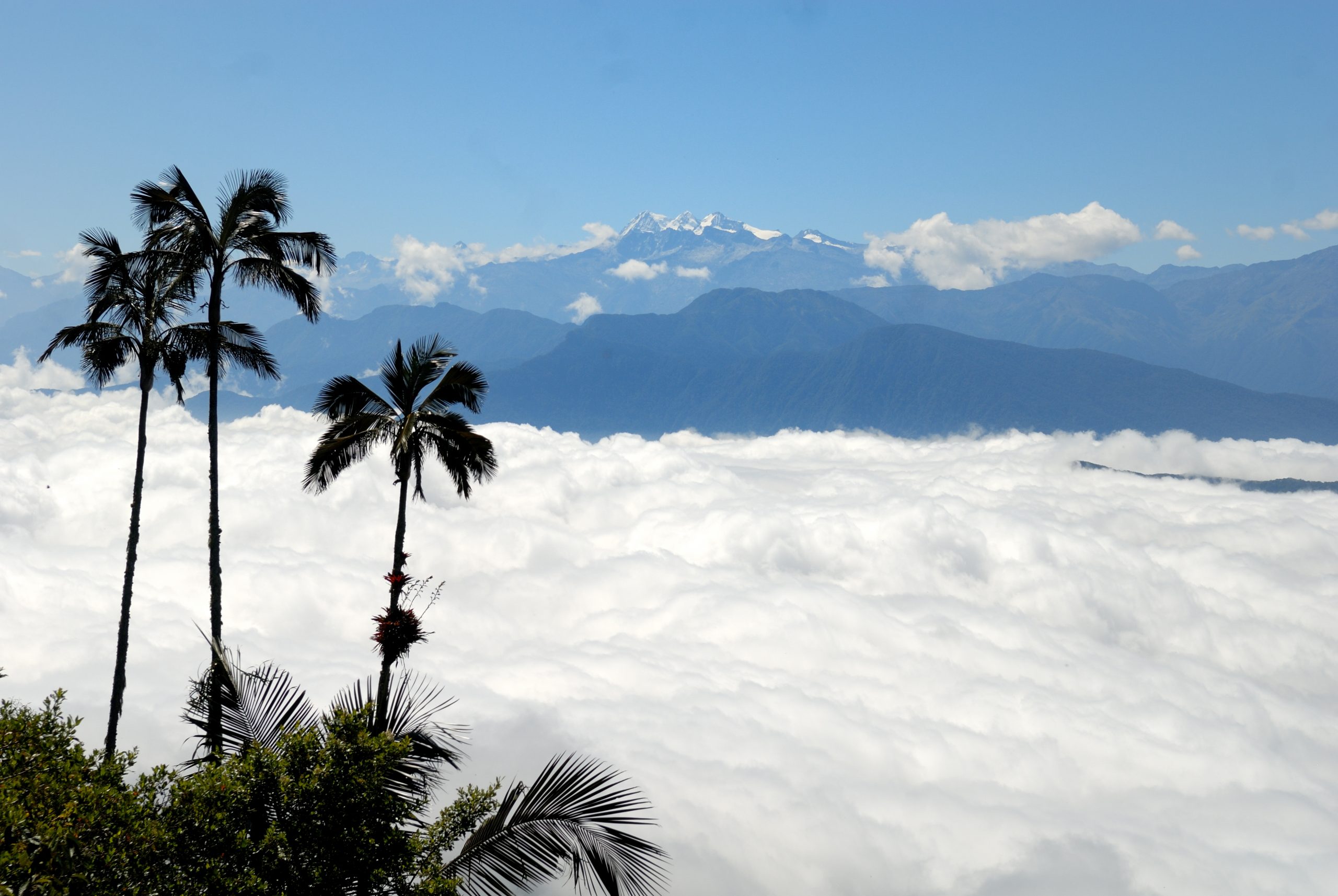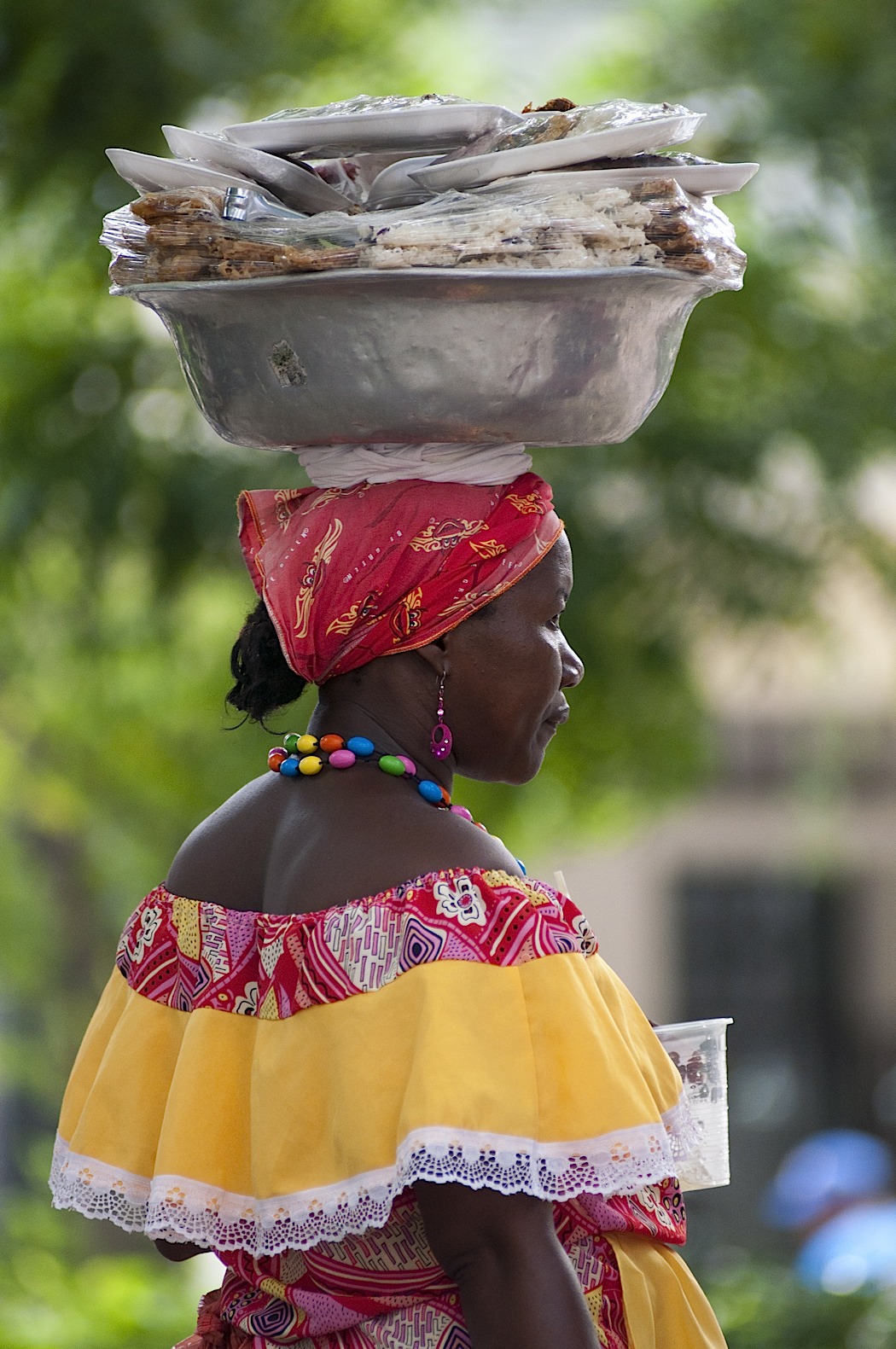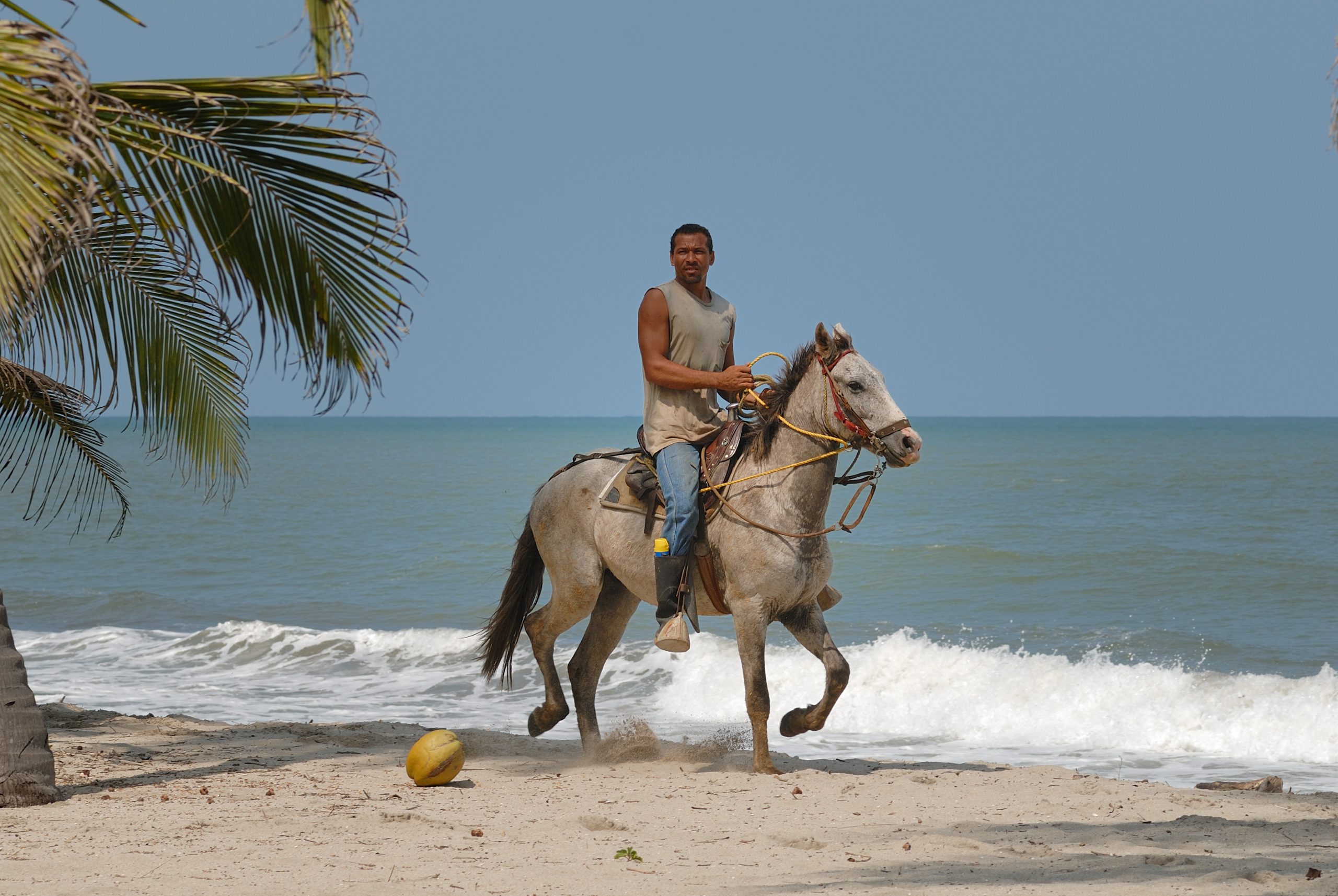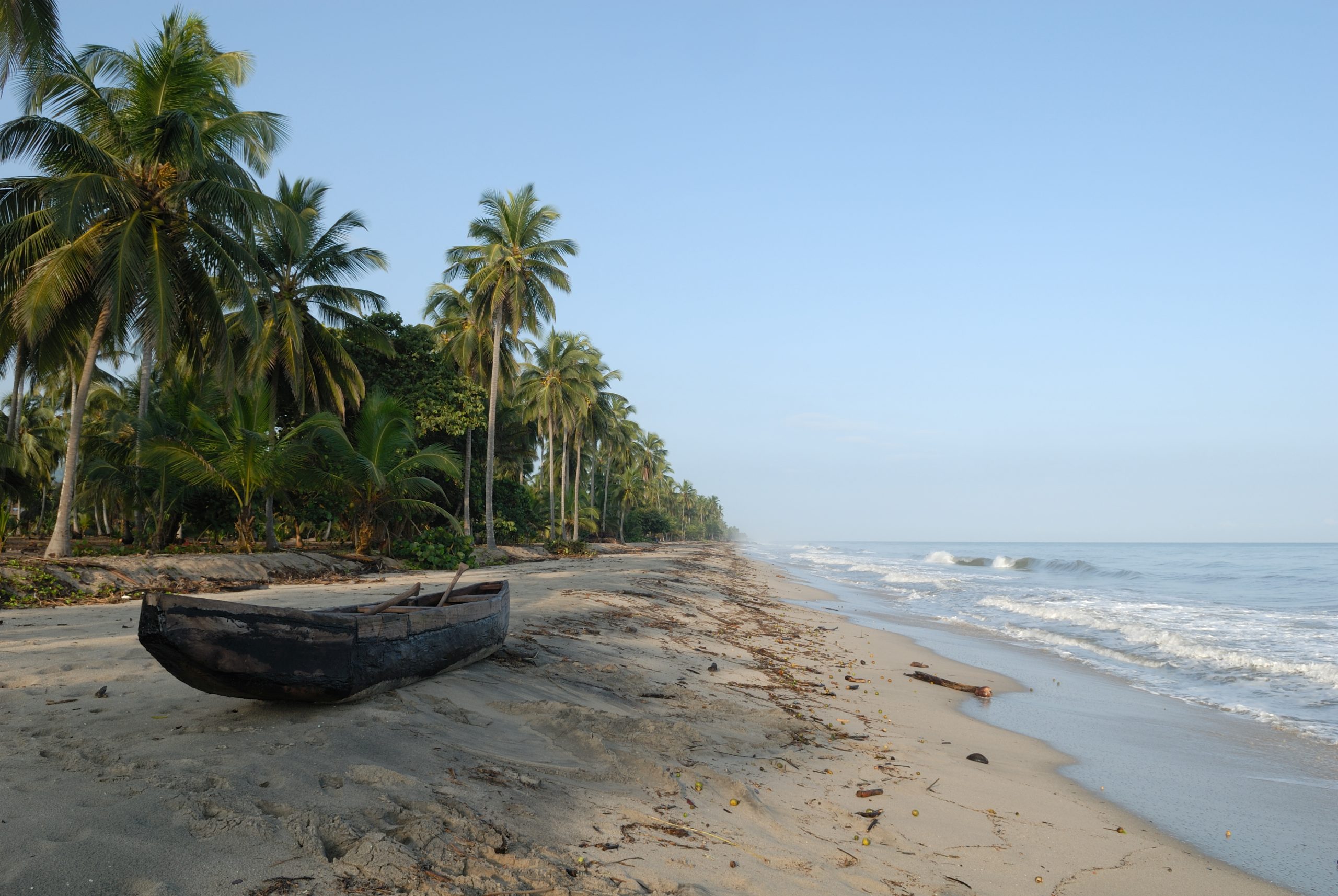
Where tropical rainforest nearly kiss with the ocean, relax on the beach of the Colombian Caribbean Coast

Caribbean Region

Toggle section content visibility

Did You Know?

Exploring Colombia’s Caribbean Coast: Where Culture Meets Coastal Magic

From sun-drenched colonial streets to towering, snow-capped peaks rising near the coastline, Colombia’s Caribbean Coast brings together ancient traditions, diverse ecosystems, and vibrant local life. Whether you are drawn to centuries of history or untamed landscapes, this region holds some of South America’s most remarkable natural and cultural treasures.

Historic Cities and Living Heritage

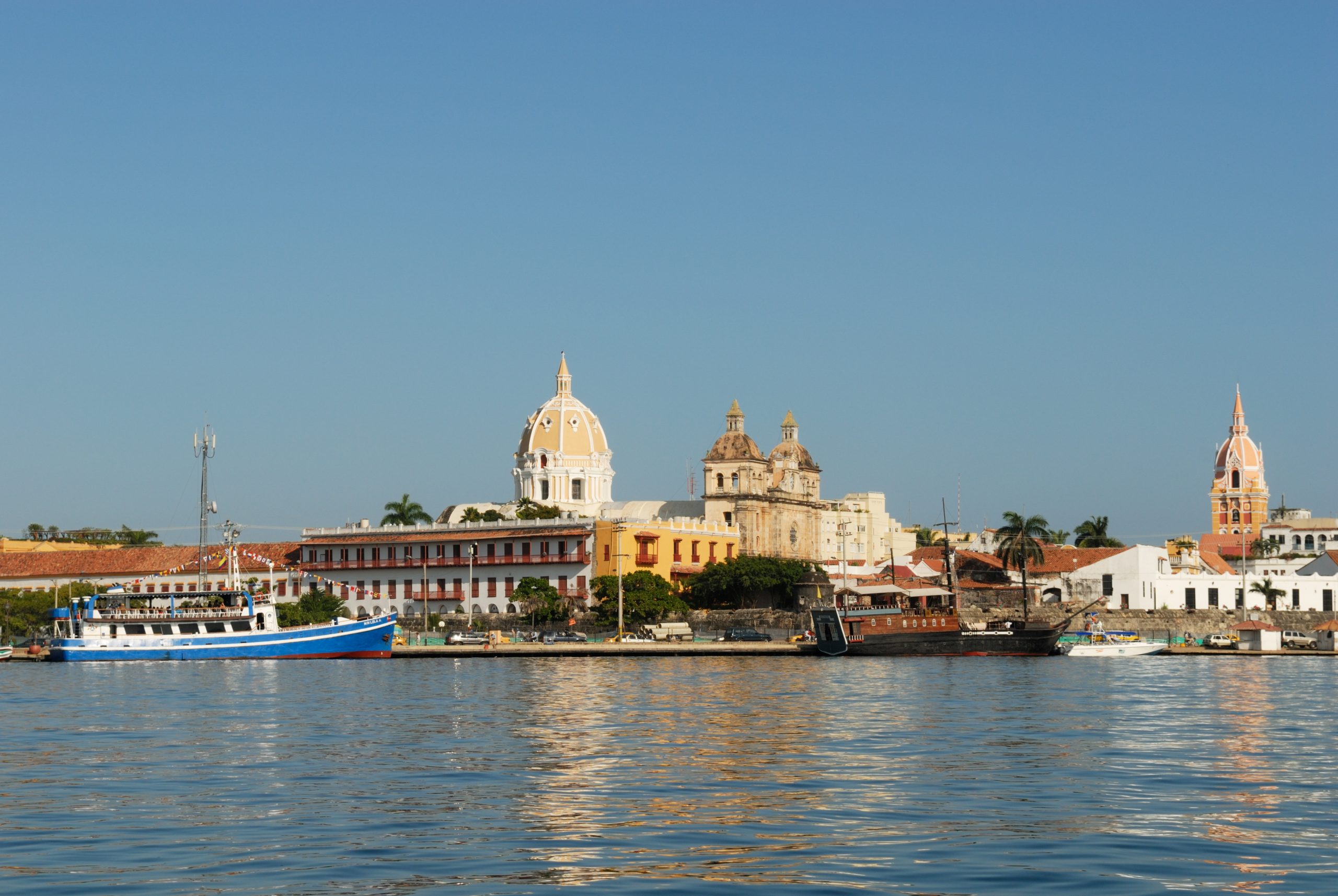
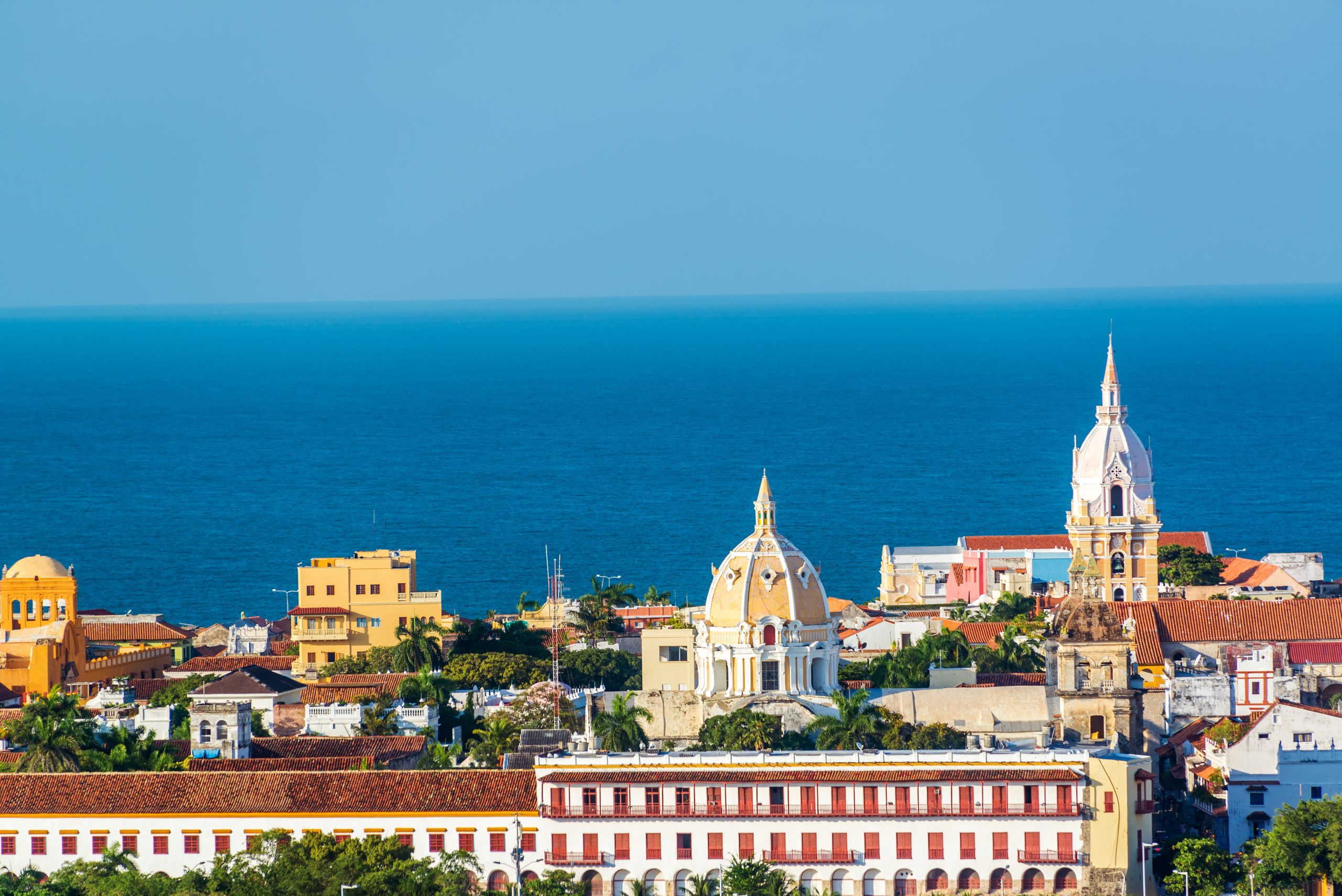
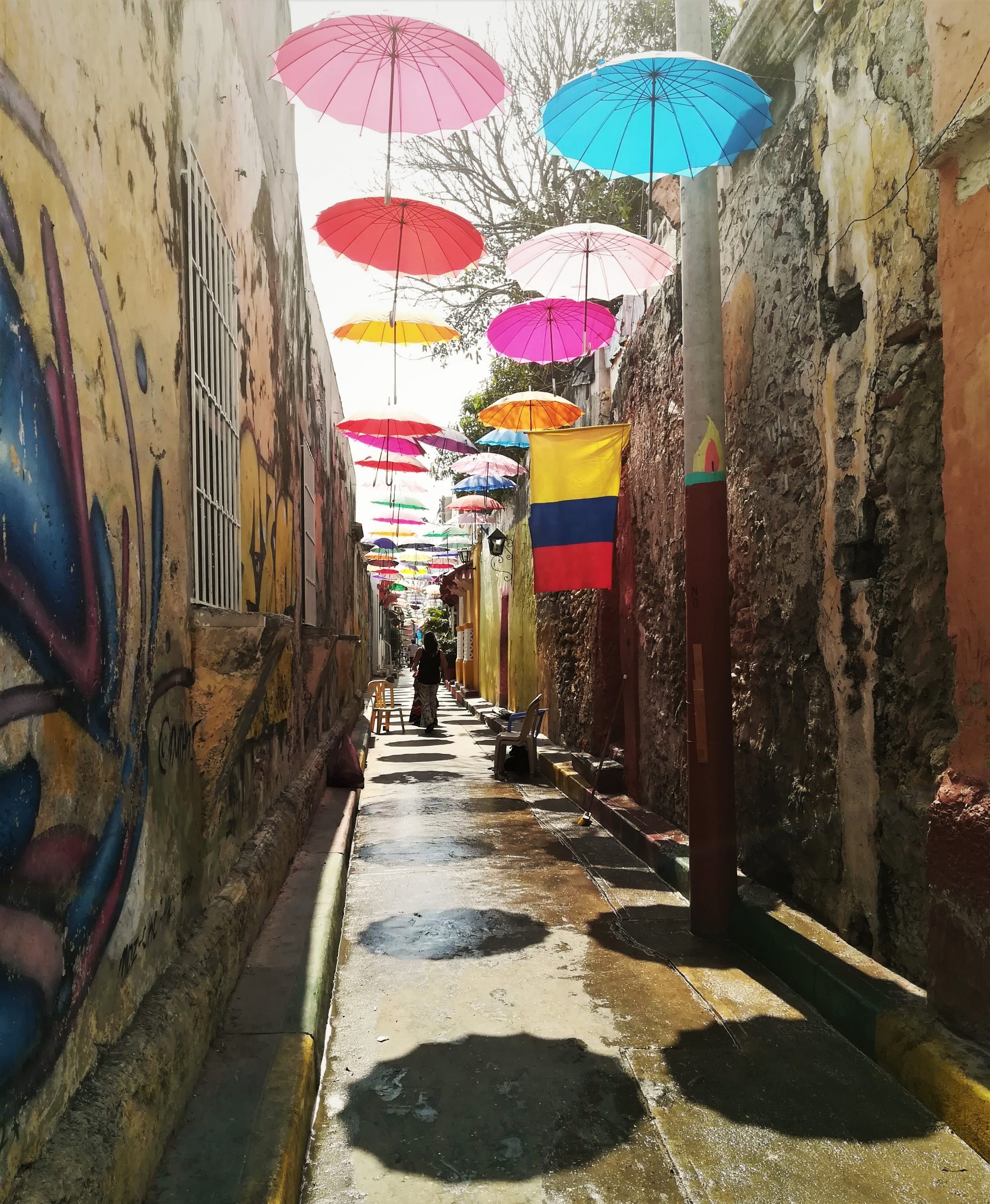
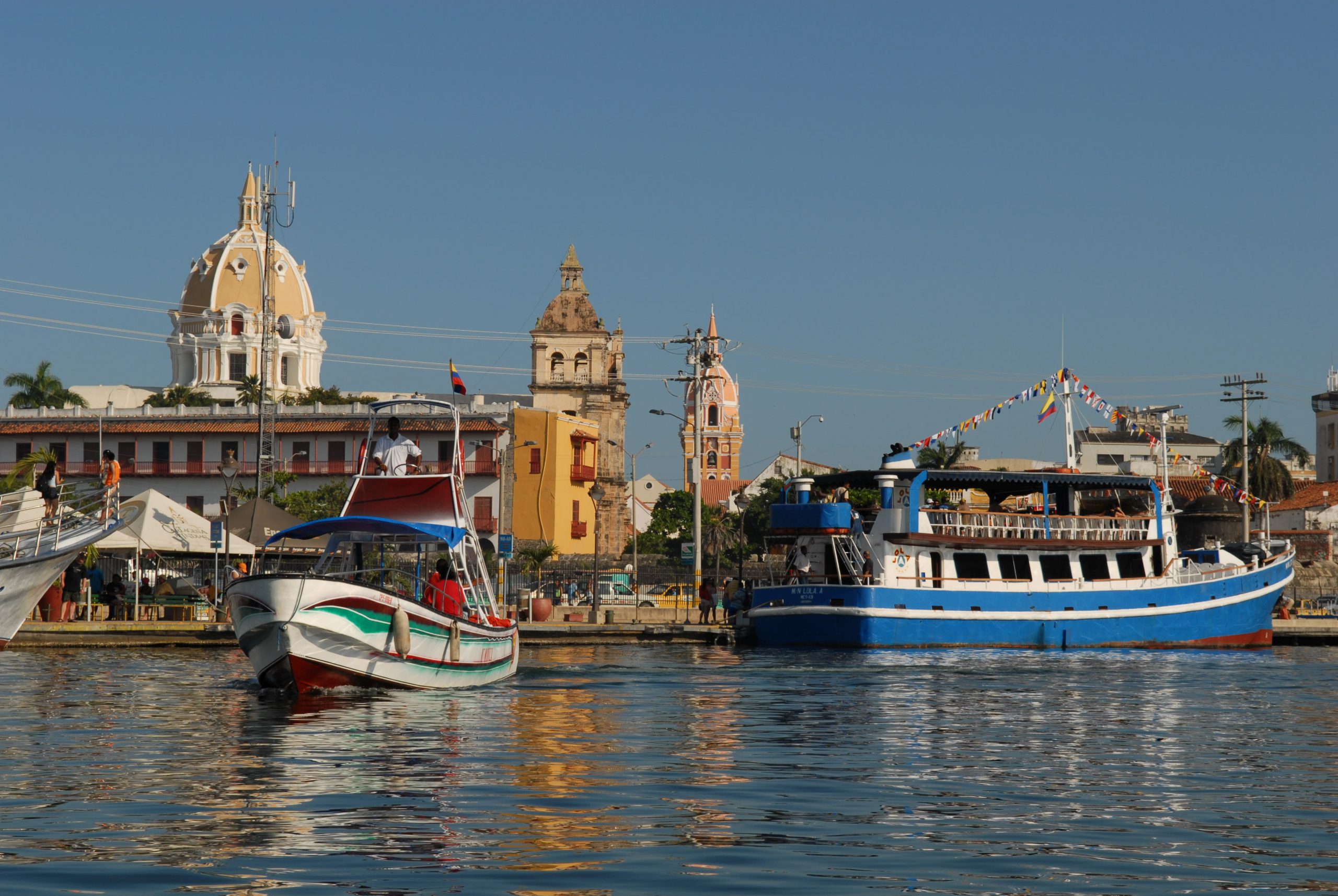
History defines the coastline. Spanish explorers founded Santa Marta in 1525, making it Colombia’s oldest surviving city. Further down the shore, Cartagena’s historic centre features colorful colonial streets, massive stone forts, and lively plazas. Today, this UNESCO World Heritage Site remains one of the country’s most iconic destinations.

Dramatic Landscapes: From Snow-Capped Peaks to Desert Dunes

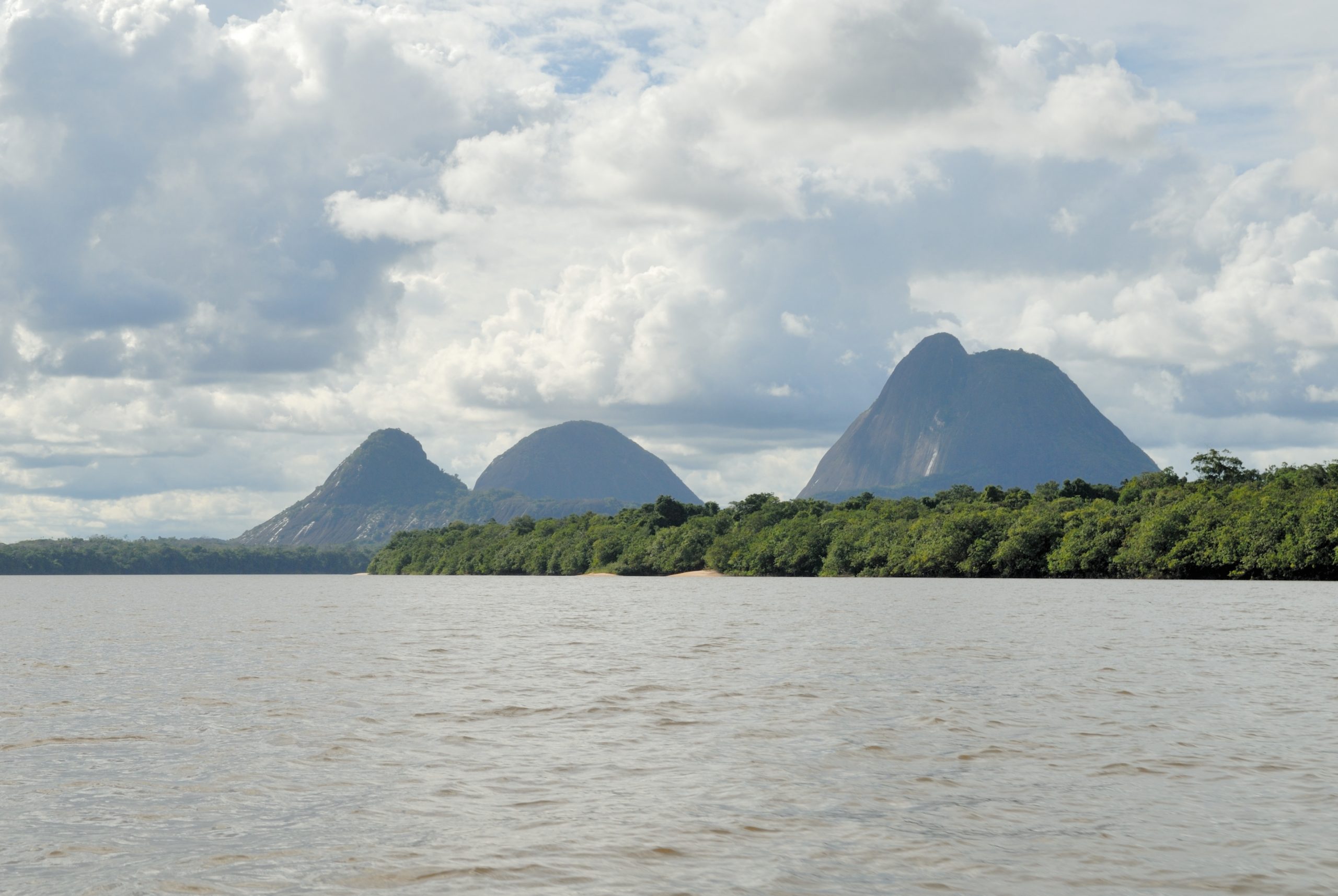
Few places on Earth offer the sheer geographic contrast found along Colombia’s Caribbean Coast. The Sierra Nevada de Santa Marta mountain range shoots up dramatically from the shoreline to over 5,700 meters above sea level. This staggering elevation creates a mosaic of microclimates, ranging from lush tropical beaches and rainforests to alpine snowfields.

Further north in La Guajira, golden desert dunes meet turquoise waters. Here, the Wayuu Indigenous community preserves its ancestral traditions, language, and distinctive crafts.

The Rhythms and Biodiversity of the North

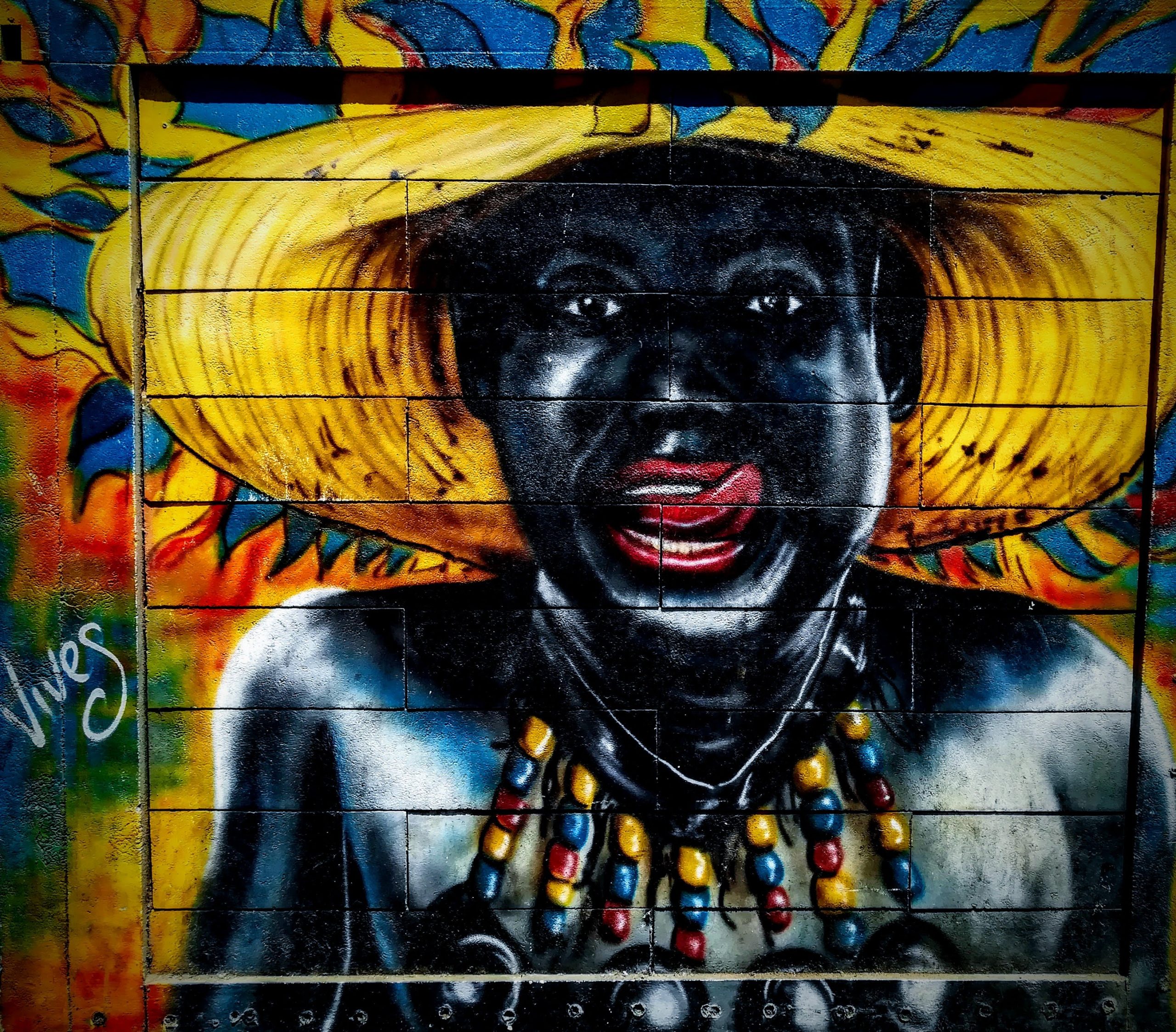
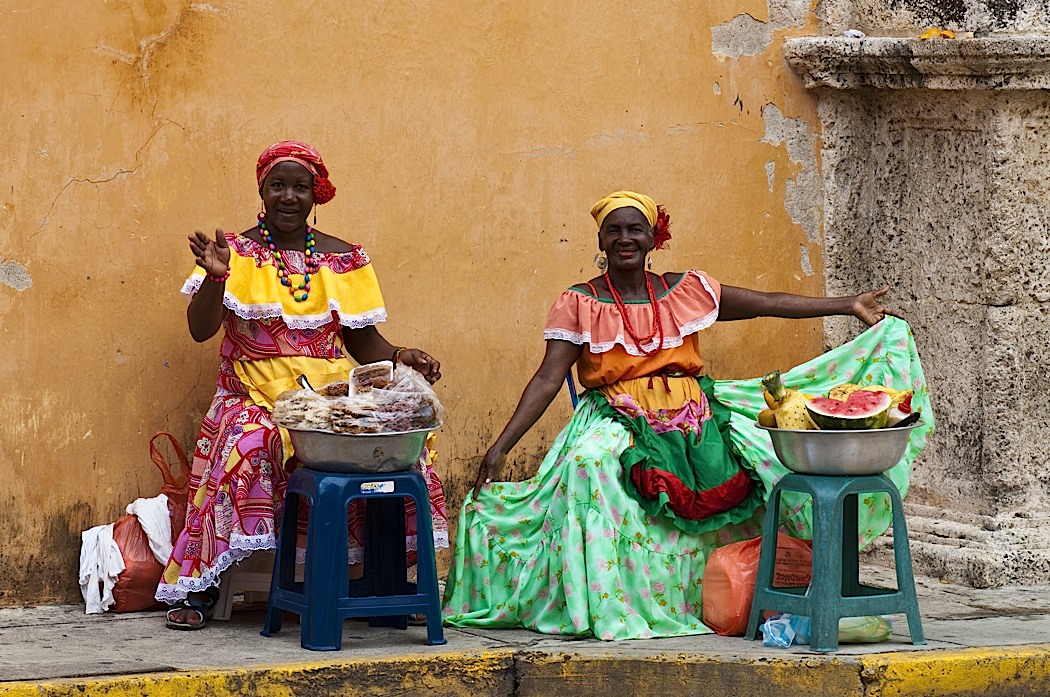
The soulful spirit of Colombia’s Caribbean Coast is fueled by its music and wildlife. Rhythms like cumbia, vallenato, and champeta carry deep roots here, reflecting a dynamic fusion of African, Indigenous, and European heritage. Beyond the music, the region’s biodiversity is equally extraordinary. Coral reefs, mangrove forests, and coastal wetlands provide crucial habitats for countless bird and marine species, while the isolated heights of the Sierra Nevada harbor dozens of unique, endemic animals found nowhere else on the planet.

Whether you’re exploring the walled colonial city center of Cartagena, venturing out to remote desert beaches, or hiking through mountain cloud forests, Colombia’s Caribbean Coast delivers an unbeatable mix of culture, nature, and unforgettable adventure.

Read more: Caribbean Region
Toggle section content visibility

Related Destinations


  • Cartagena

    Cartagena de Indias is a city that instantly captivates with its irresistible blend of Caribbean flair, rich history, and vibrant energy. Walking through its enchanting walled old town—recognized as a UNESCO World Heritage Site—feels like stepping into another era. Ancient…

  • Tayrona National Park

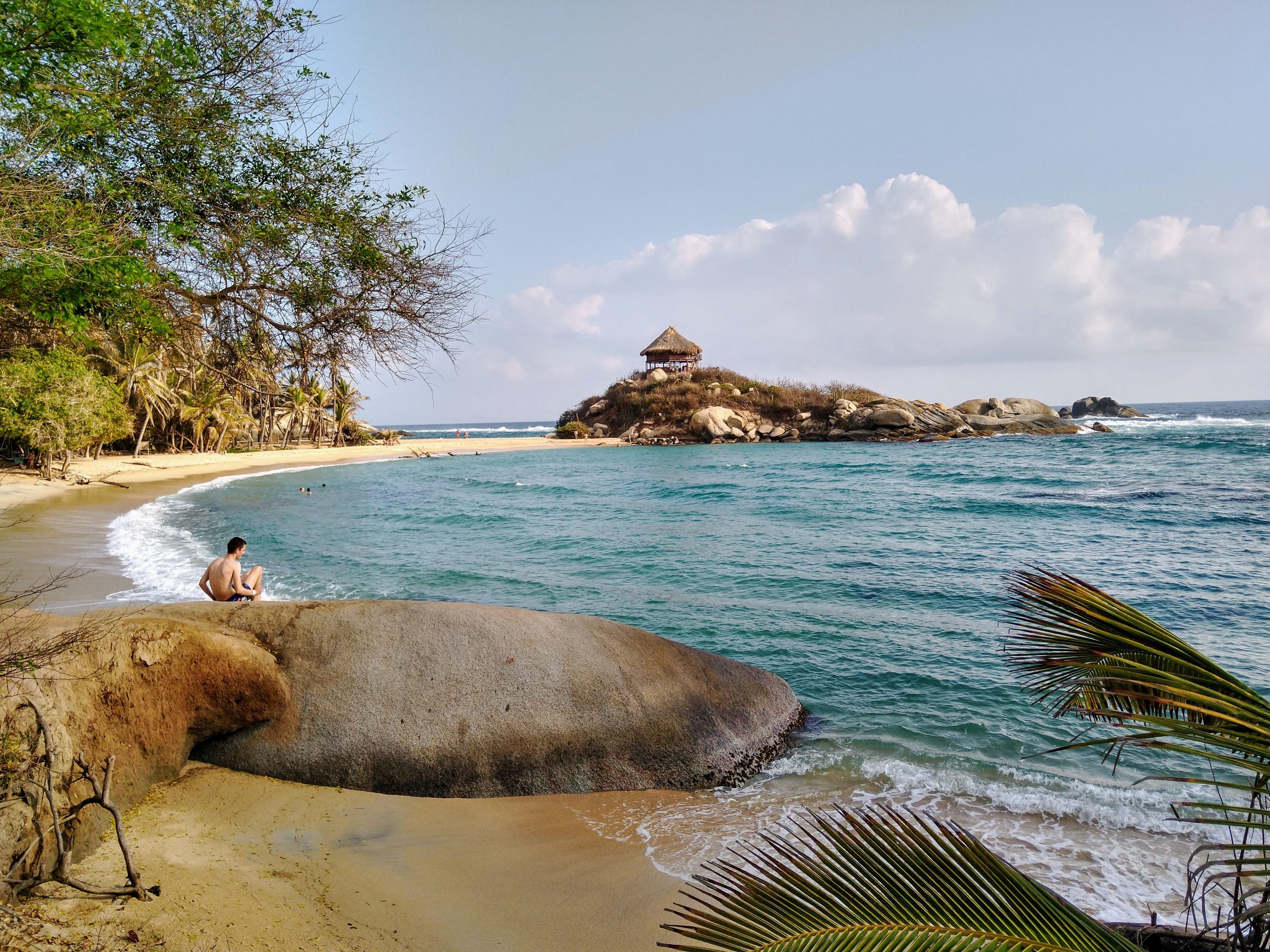
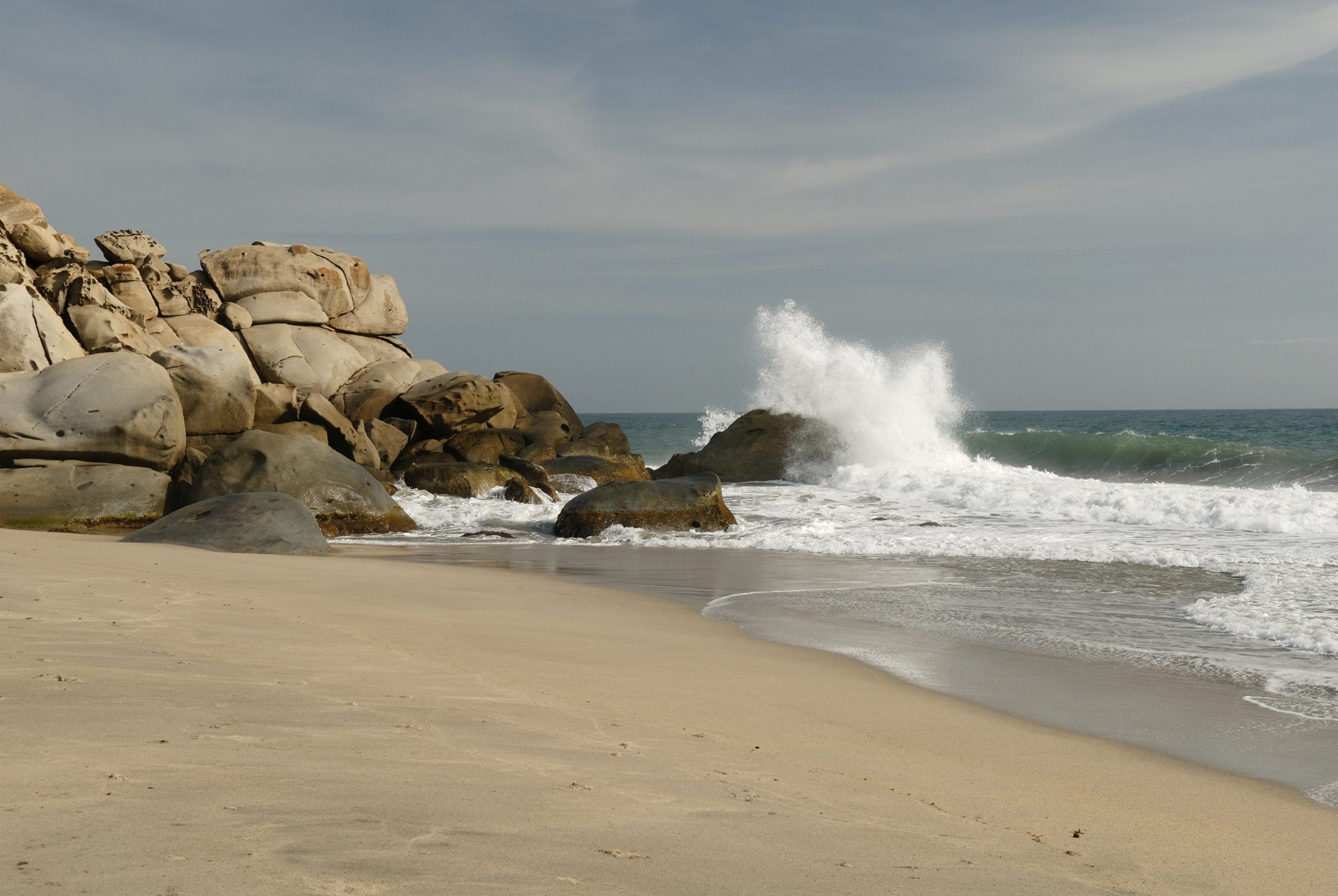
    Tayrona National Park is one of Colombia’s most spectacular natural destinations. The park stretches along the Caribbean coast, where the foothills of the Sierra Nevada de Santa Marta meet the sea. Tropical forests, palm-lined beaches, and huge granite boulders create…

  • Múcura Island

    Múcura Island is part of the San Bernardo Archipelago, located off the northern Caribbean coast of Colombia. This small tropical island is known for its untouched natural beauty, calm atmosphere, and exceptional marine environment. Surrounded by warm, crystal-clear waters, the…

  • Mompox

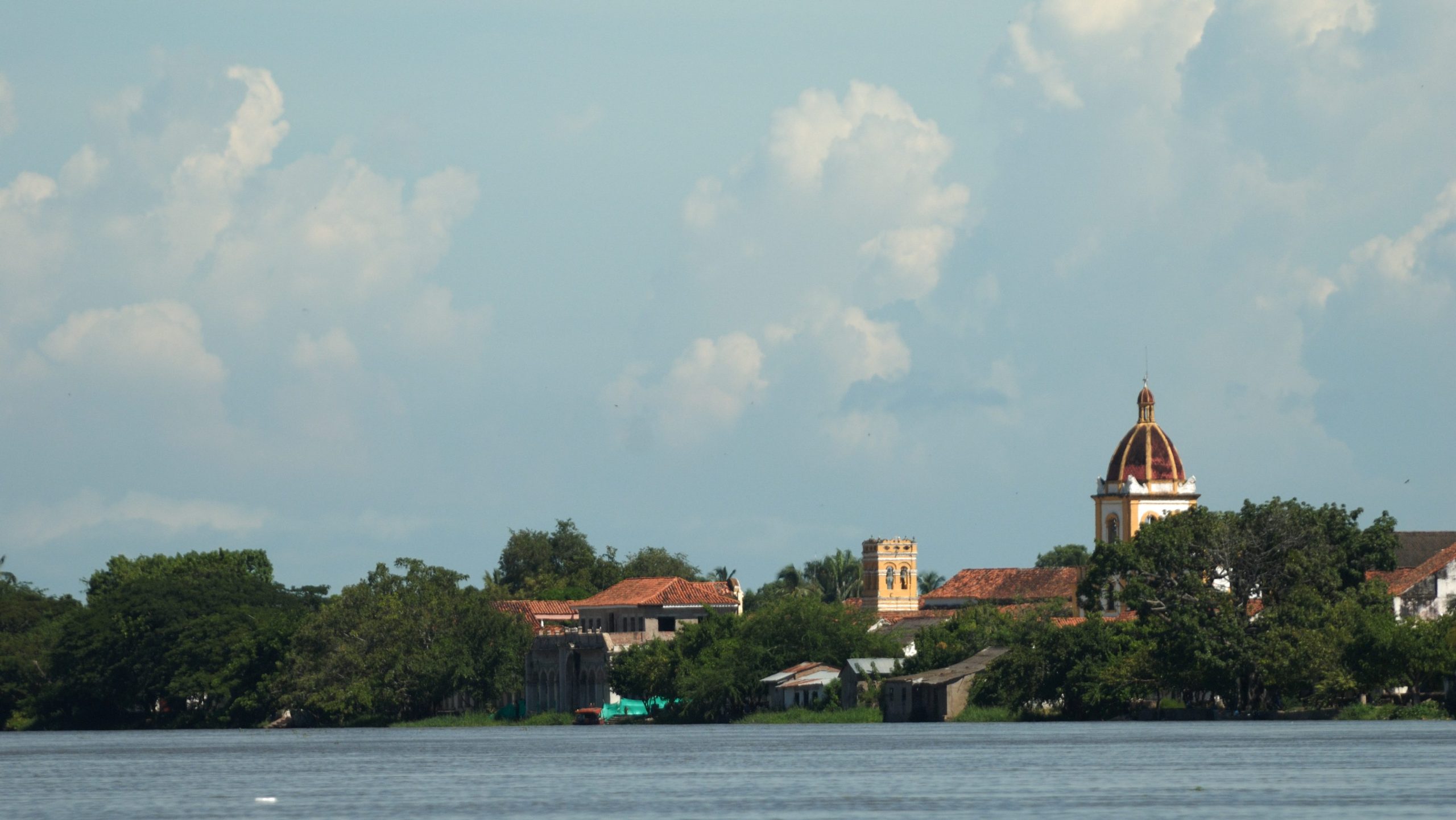
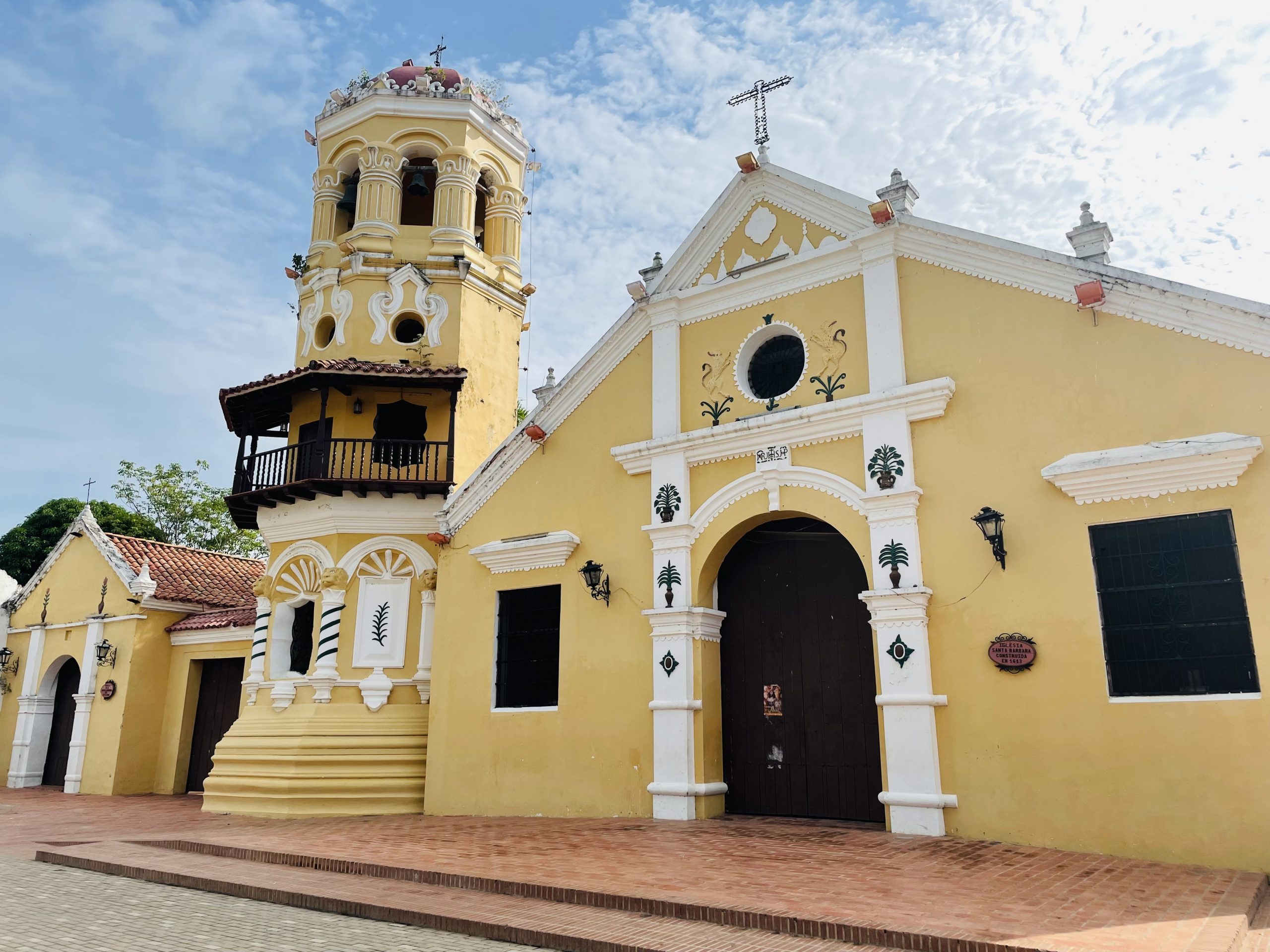
    Located on the banks of the Magdalena River, Mompox heritage town offers a glimpse into Colombia’s colonial past. Founded in 1537, the town still preserves much of its historic charm. Whitewashed houses, wrought-iron balconies, elegant churches, and peaceful plazas line…

  • El Dorado Reserve

    Reserva Natural El Dorado lies high in the misty cloud forests of the Sierra Nevada de Santa Marta. It ranks among Colombia’s most important conservation areas and the world’s richest biodiversity hotspots. Fundación ProAves established the reserve in 2006 to…

  • Minca

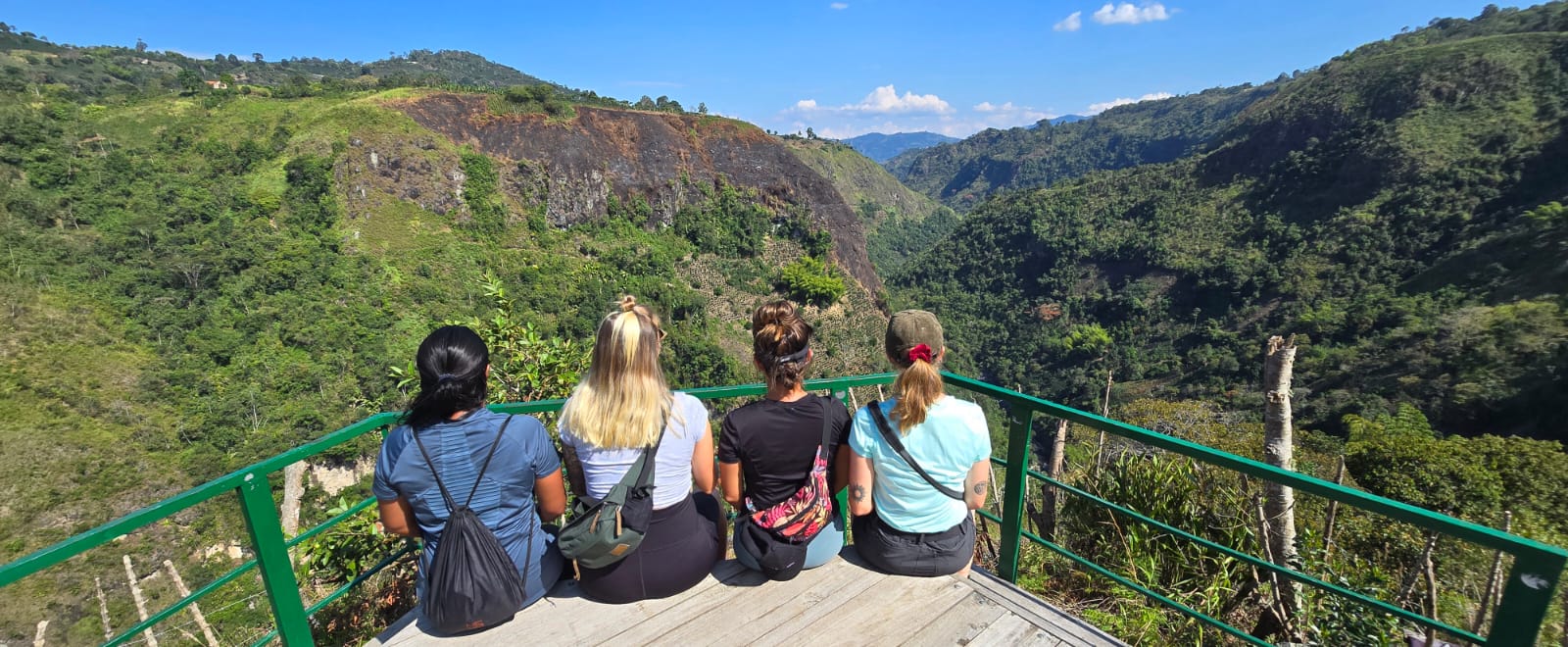
    Nestled in the foothills of the Sierra Nevada de Santa Marta, Minca offers a peaceful escape from the Caribbean coast. The small mountain village sits in a lush landscape of tropical forests, coffee farms, waterfalls, and streams. Its cooler climate…

  • San Andrés Island

    San Andrés lies off the coast of Nicaragua and forms the main island of the Colombian archipelago of the same name. The seahorse-shaped island combines white-sand beaches, turquoise waters, and vibrant marine life. Its warm Caribbean waters invite swimming, snorkelling,…
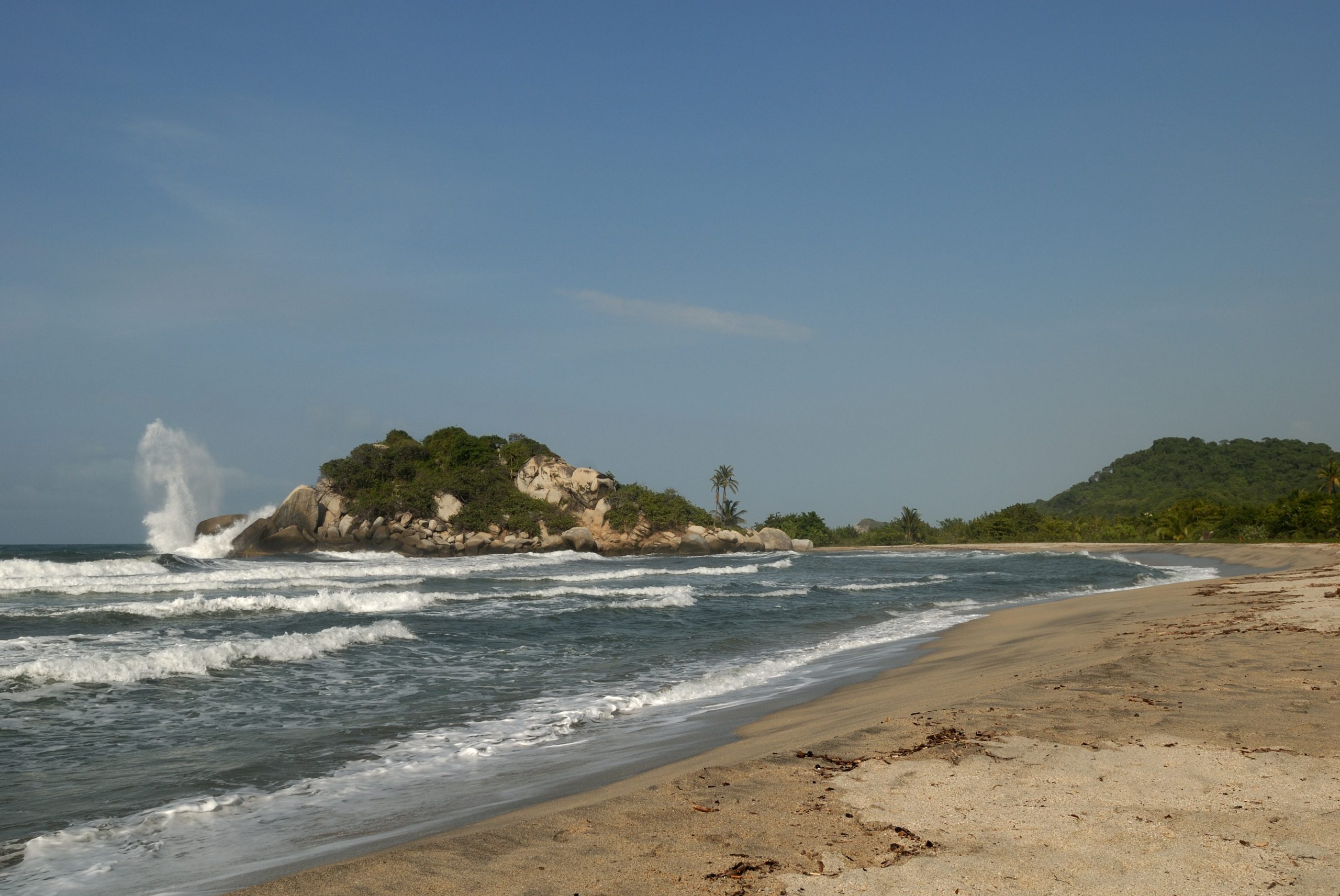
  • Santa Marta

    Santa Marta, Colombia’s oldest surviving city, combines Caribbean charm, colonial history, and spectacular natural beauty. Founded in 1525, it sits between the Caribbean Sea and the Sierra Nevada de Santa Marta. The city also serves as a gateway to Tayrona…

  • Barranquilla

    Located between Cartagena and Santa Marta, Barranquilla is the capital of Colombia’s Atlántico Department and one of the country’s largest cities. The lively port city sits near the mouth of the Magdalena River, where it meets the Caribbean Sea. Its…

  • Barú Island

    Just one hour from Cartagena, Barú Island offers a tropical escape on Colombia’s Caribbean coast. The island combines white-sand beaches, turquoise waters, mangroves, and lush tropical landscapes. Barú is best known for Playa Blanca. Palm trees line the beach, while…

  • Palomino

    Palomino combines the dramatic landscapes of the Sierra Nevada de Santa Marta with the relaxed atmosphere of Colombia’s Caribbean coast. This small coastal village in La Guajira attracts visitors with its palm-fringed beach, tropical surroundings, and spectacular mountain views. Spend…

  • Rosario Islands

    Located just off Colombia’s northern coast, 35 kilometers from Cartagena, the Rosario Islands form a picturesque archipelago of 27 small islands within the Corales del Rosario y San Bernardo National Park. Known for their crystal-clear waters, vibrant coral reefs, and…

  • San Onofre

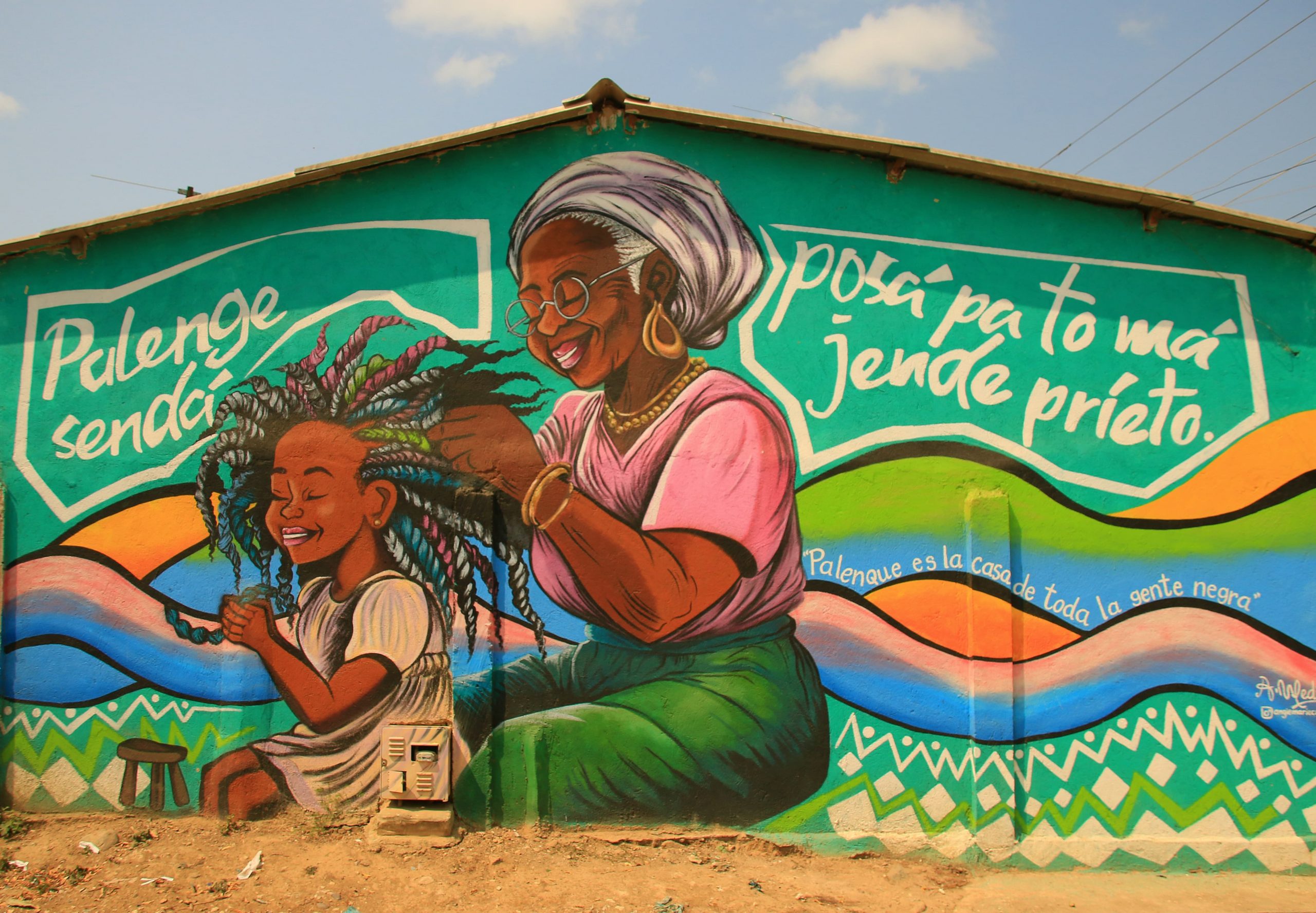
    San Onofre lies on Colombia’s Caribbean coast and offers easy access to some of the region’s most beautiful coastal destinations. The area combines quiet beaches, fishing traditions, and a strong Afro-Colombian cultural identity. Just 13 kilometres from San Onofre, Rincón…

Toggle section content visibility

Related Posts


Sustainable Travel | Experiences that make a difference

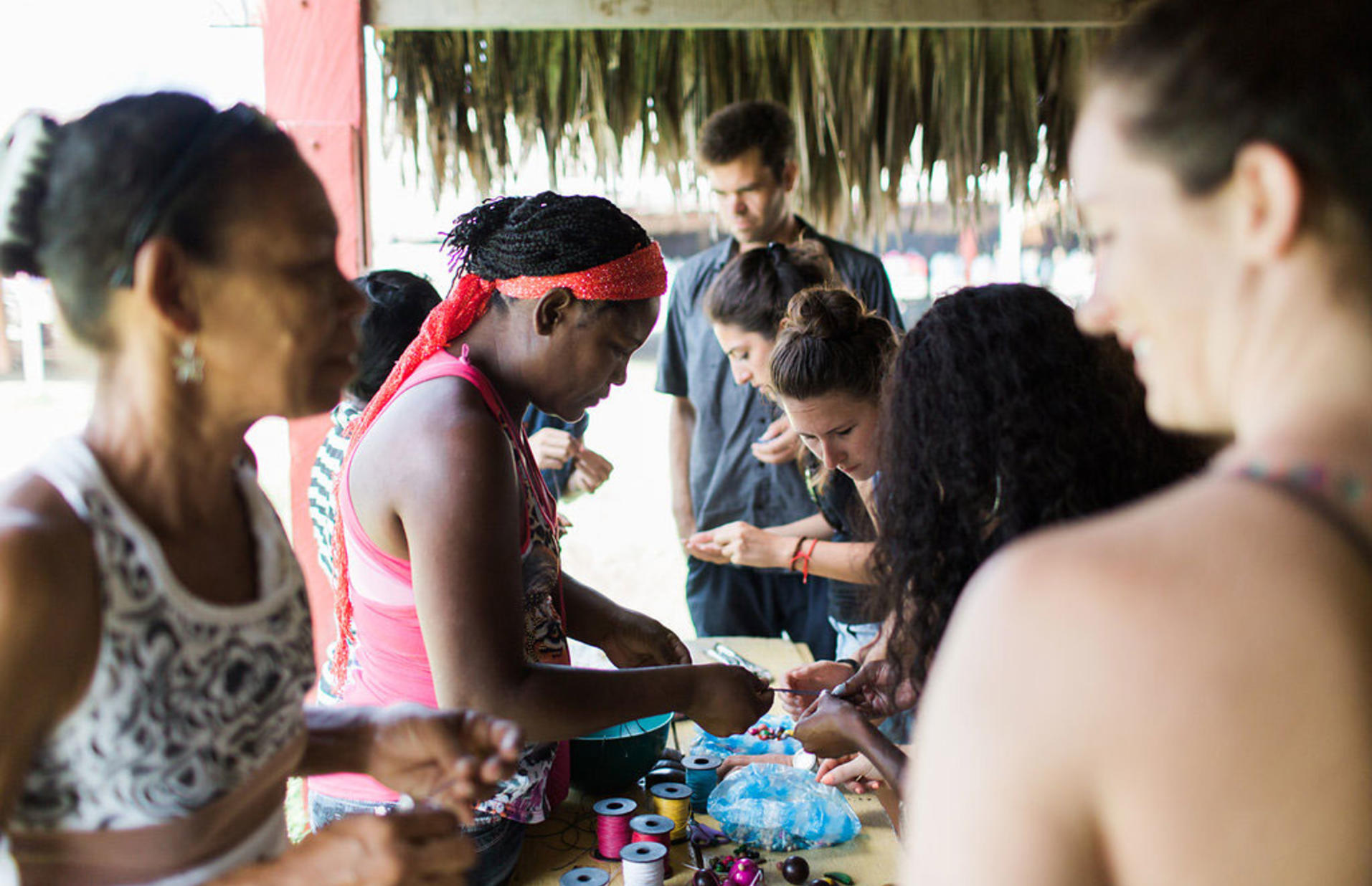
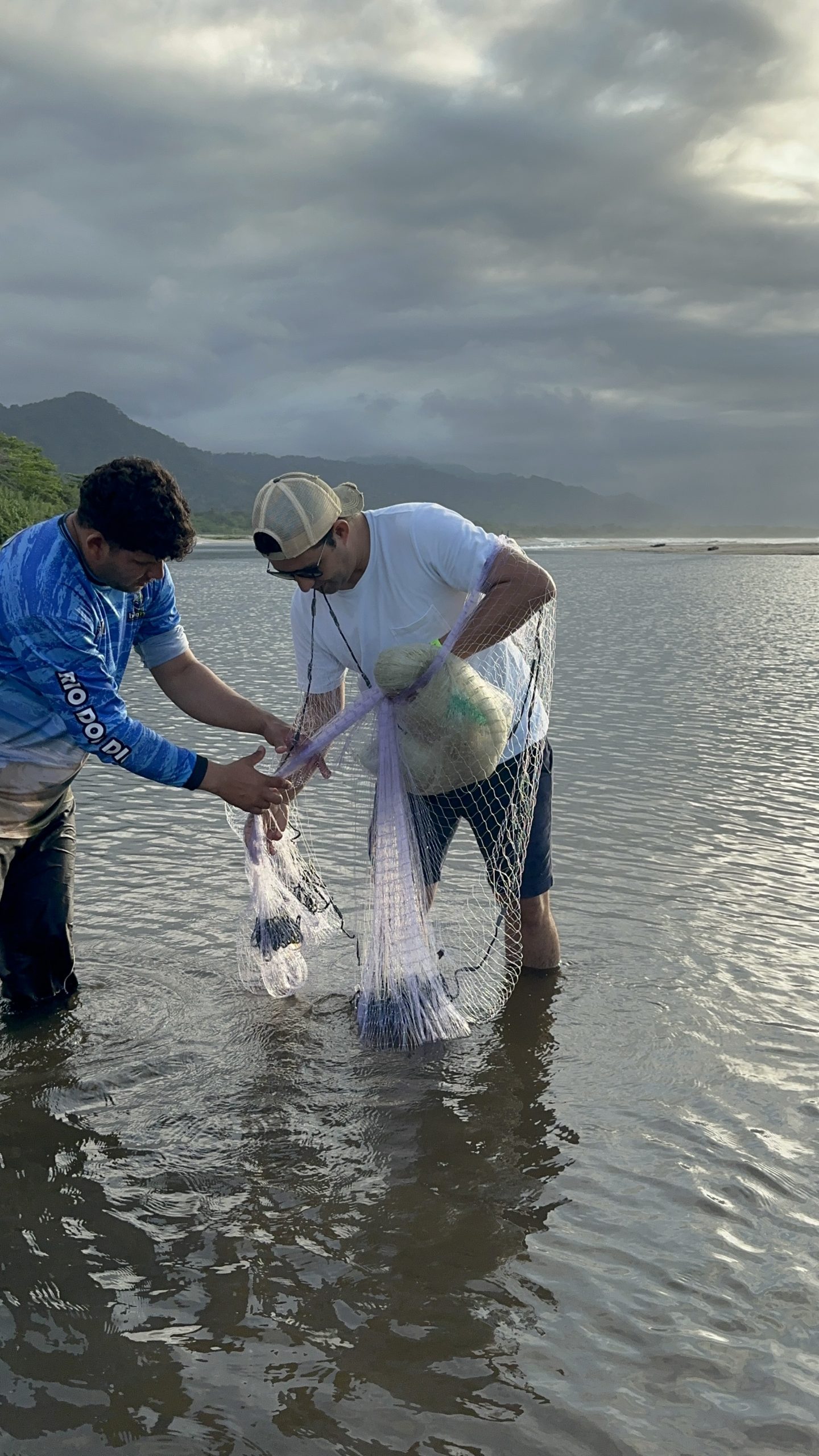
Traveling through Colombia offers an opportunity to connect with diverse landscapes, living traditions, and the communities that make each region unique. By choosing locally led experiences, travelers can support small-scale producers, artisans, guides, and family-run businesses while helping preserve local knowledge and cultural heritage.

Across Colombia’s different regions, sustainable tourism goes beyond visiting beautiful places. It creates meaningful encounters, strengthens local economies, and celebrates regional identity. At the same time, it encourages the protection of Colombia’s remarkable natural landscapes and cultural diversity.

From Inspiration to Departure: How Do We Create Your Colombia Journey?

EXPLORE

Explore our website and get inspired by Colombia’s diverse destinations, unique experiences, vibrant cultures and extraordinary landscapes.

PLAN

Plan your journey with our travel experts. Share your interests, travel style and available time through our contact form. We’ll create a tailored itinerary and take care of every detail, so you can look forward to your Colombian adventure with peace of mind. 

EXPERIENCE

Experience Colombia with ease. Immerse yourself in every moment while we take care of the details. From smooth logistics to unique experiences, everything is thoughtfully arranged so you can simply enjoy your journey.