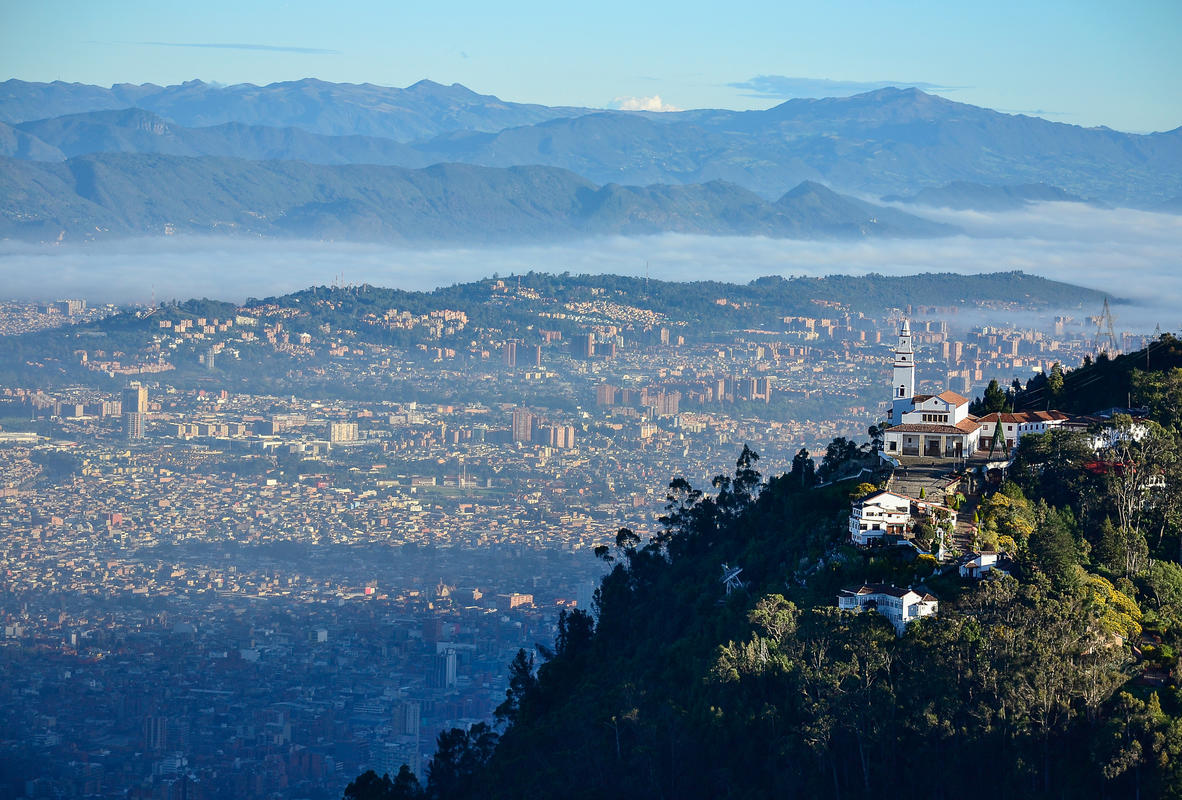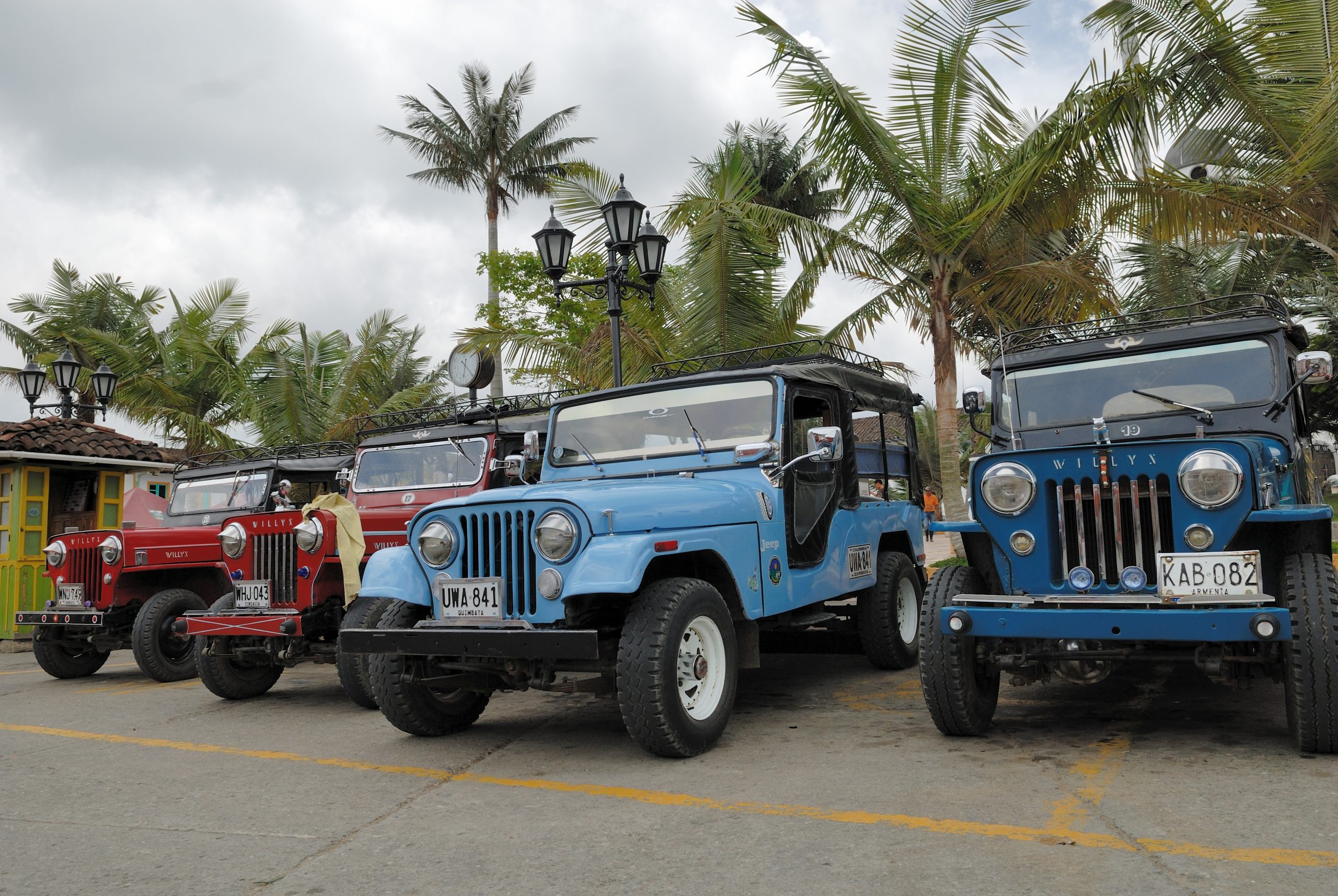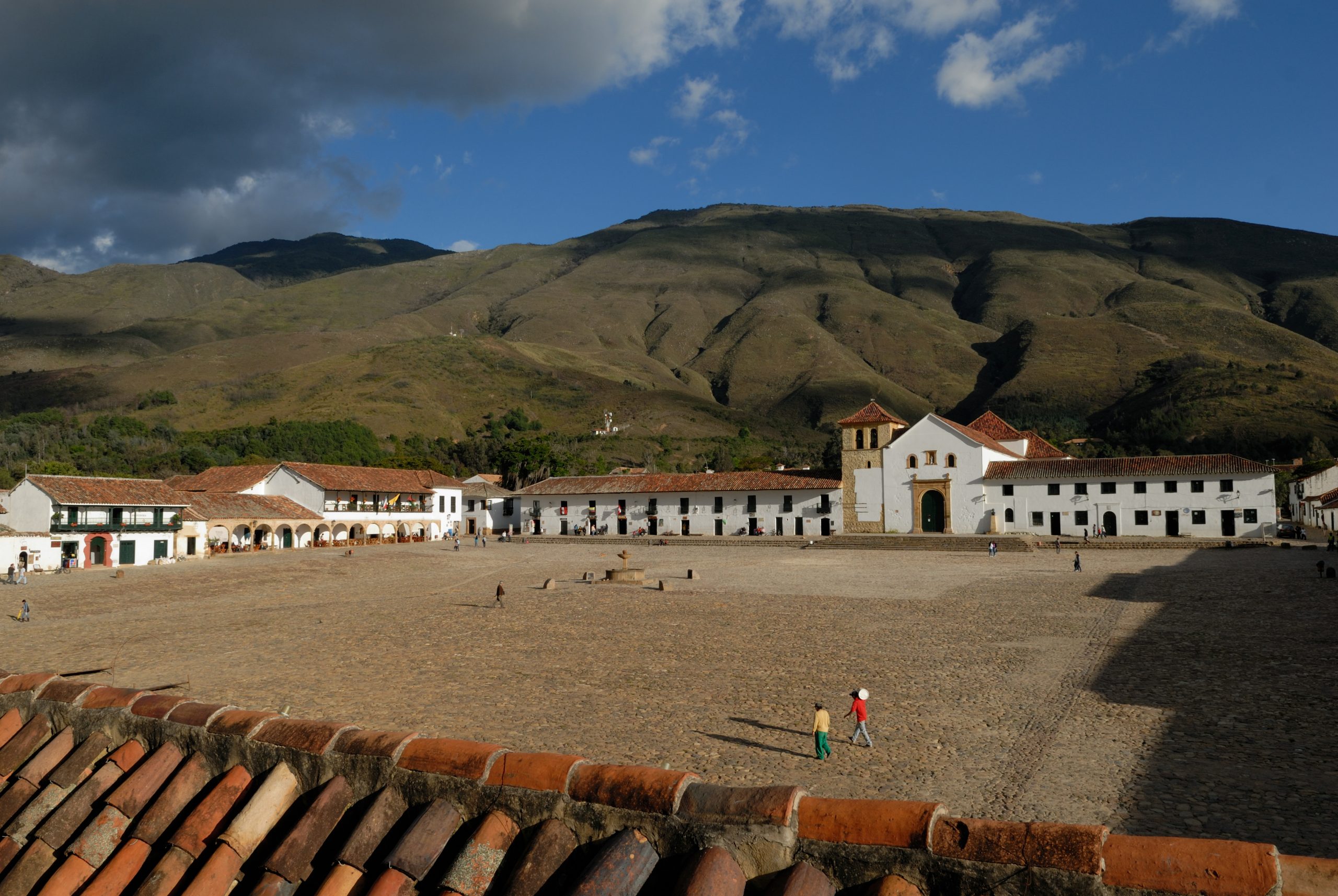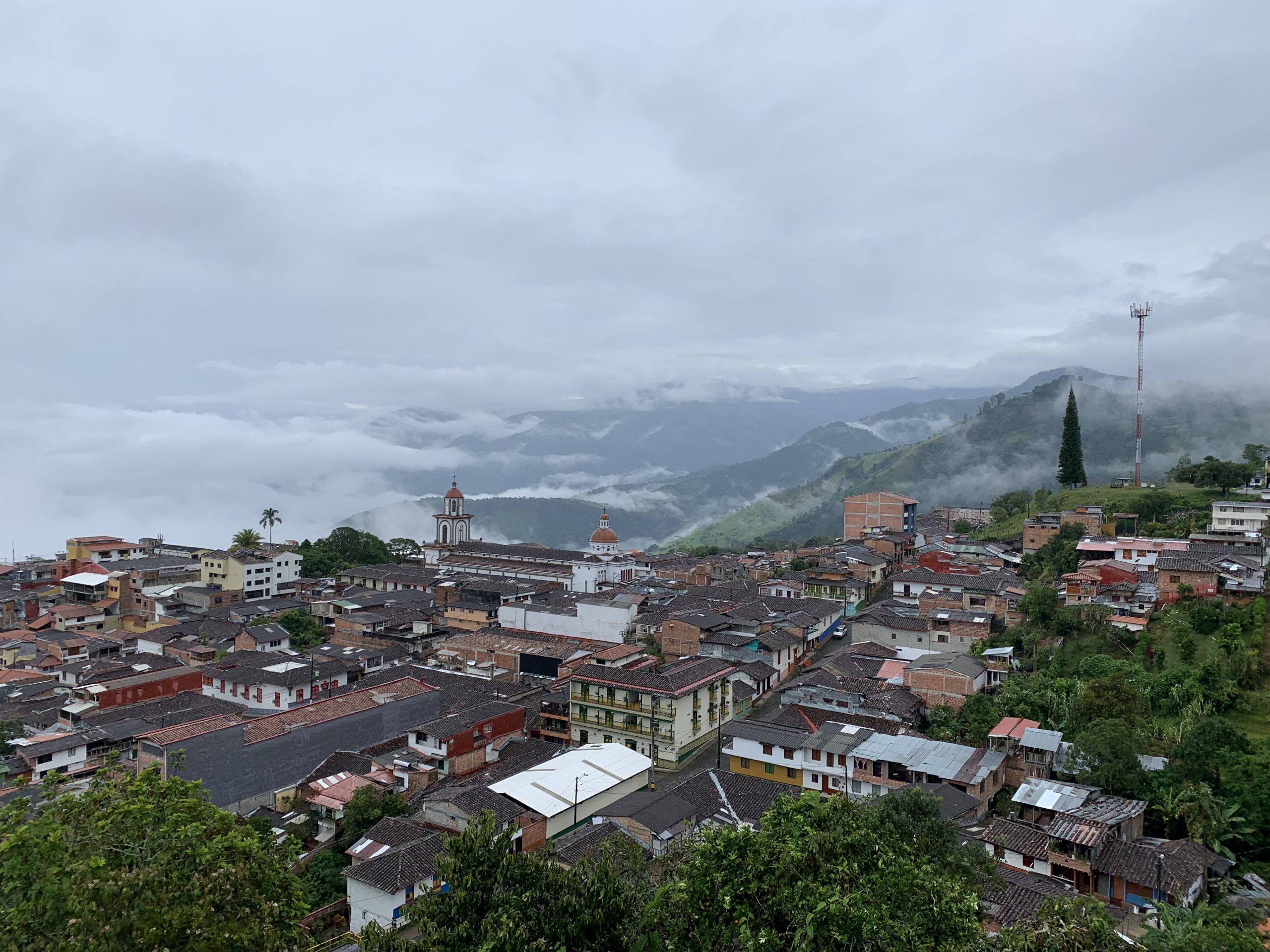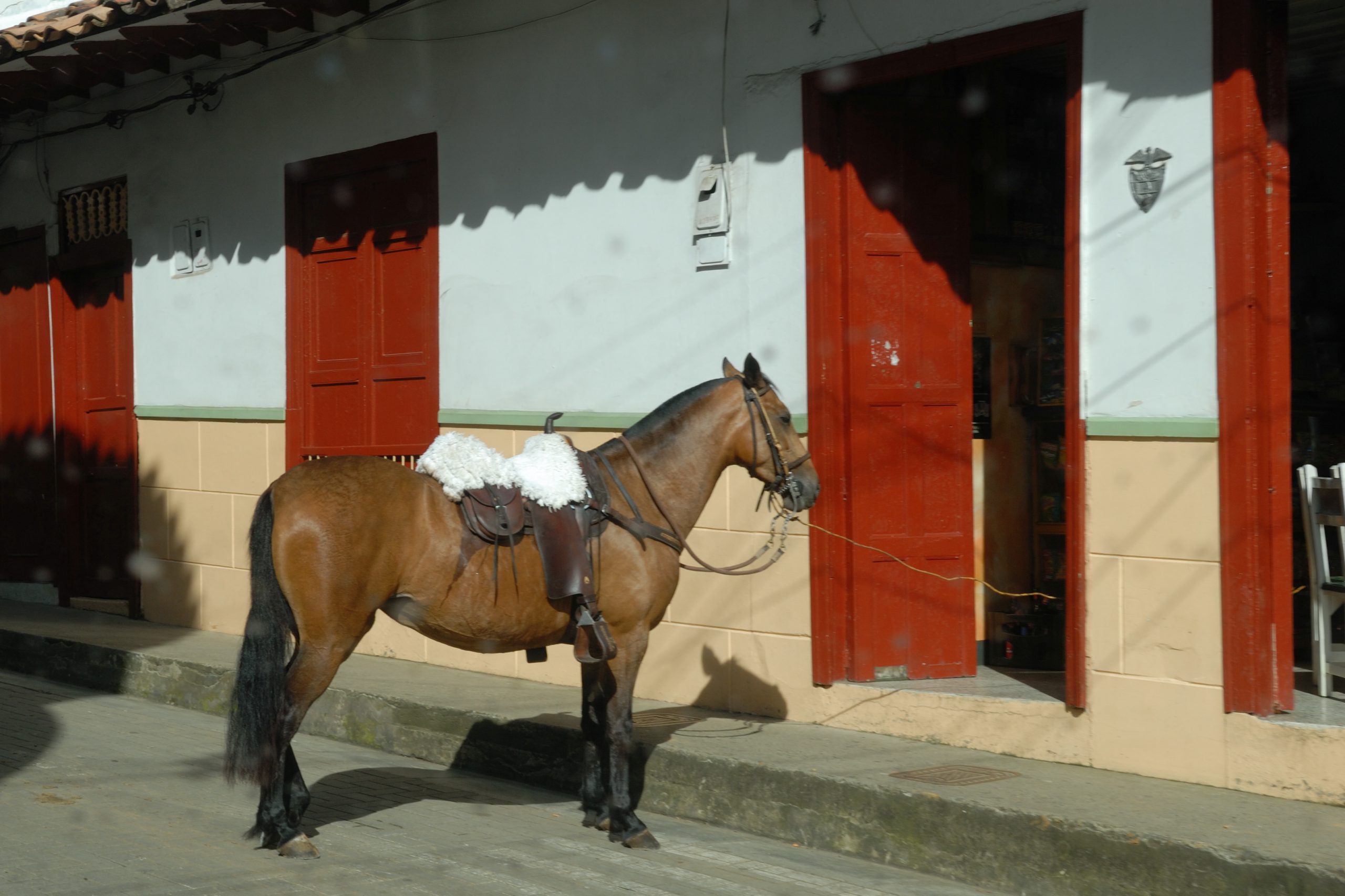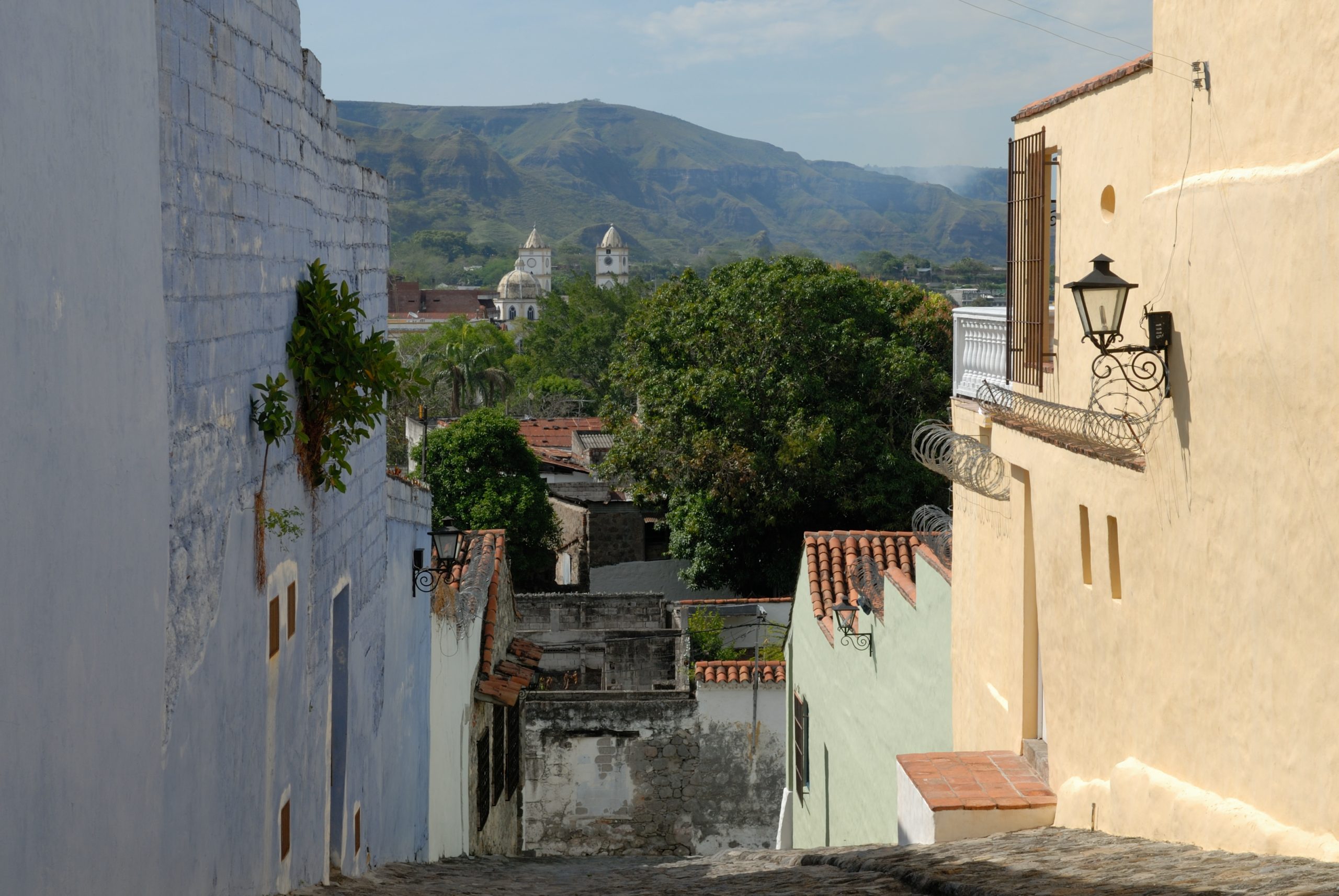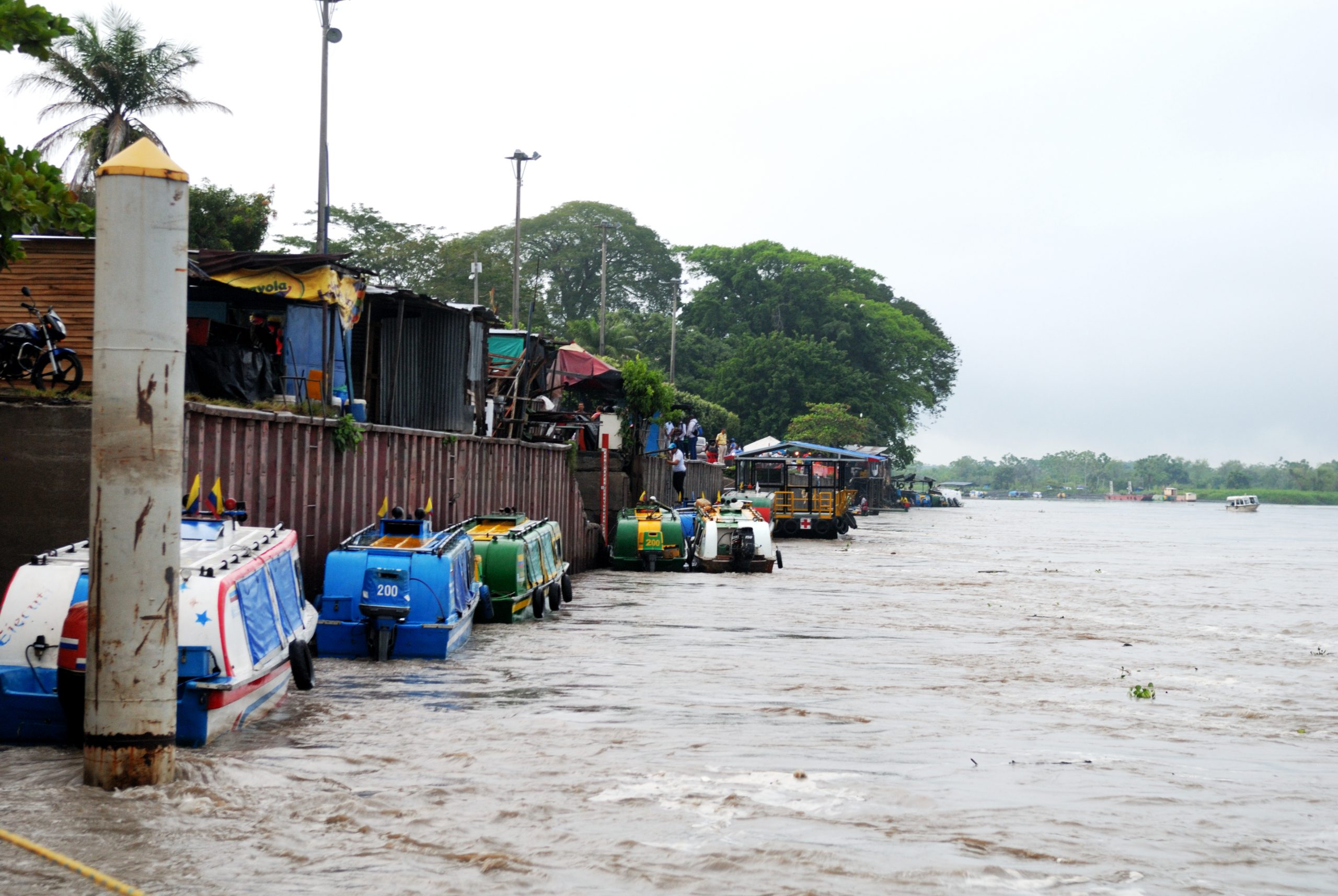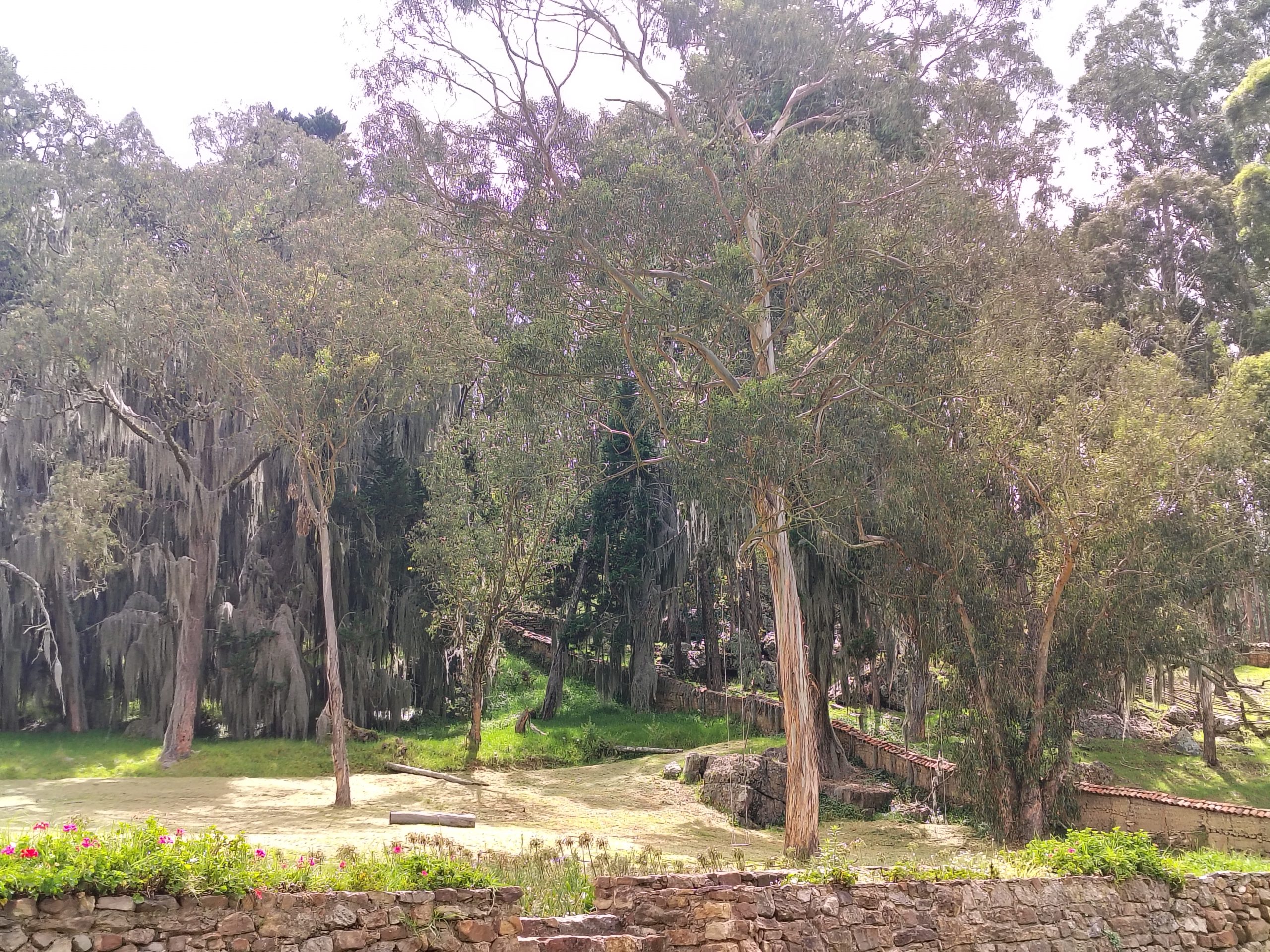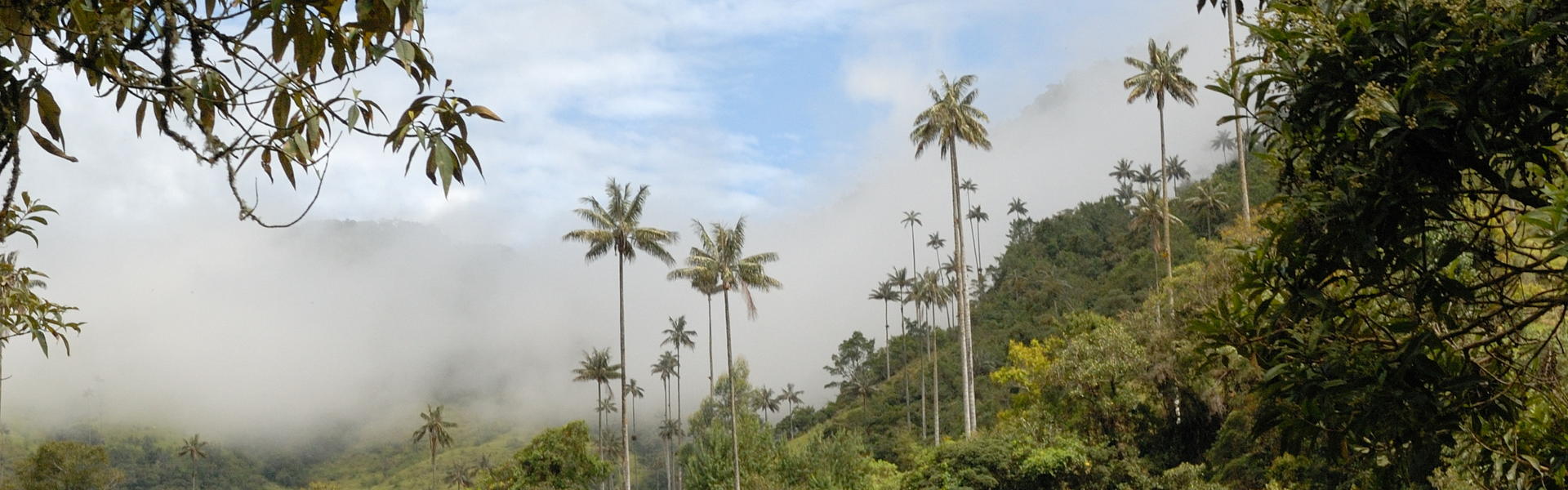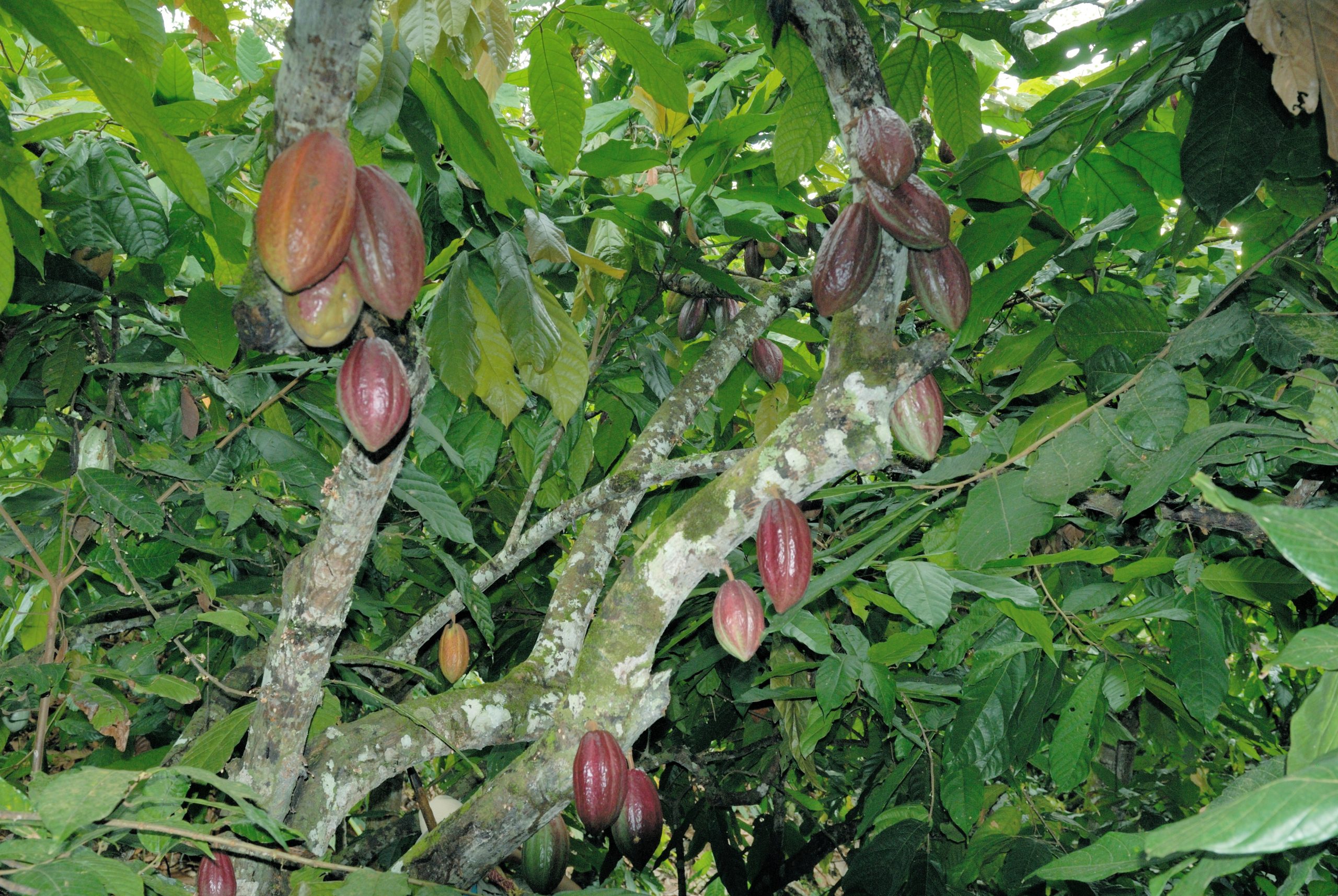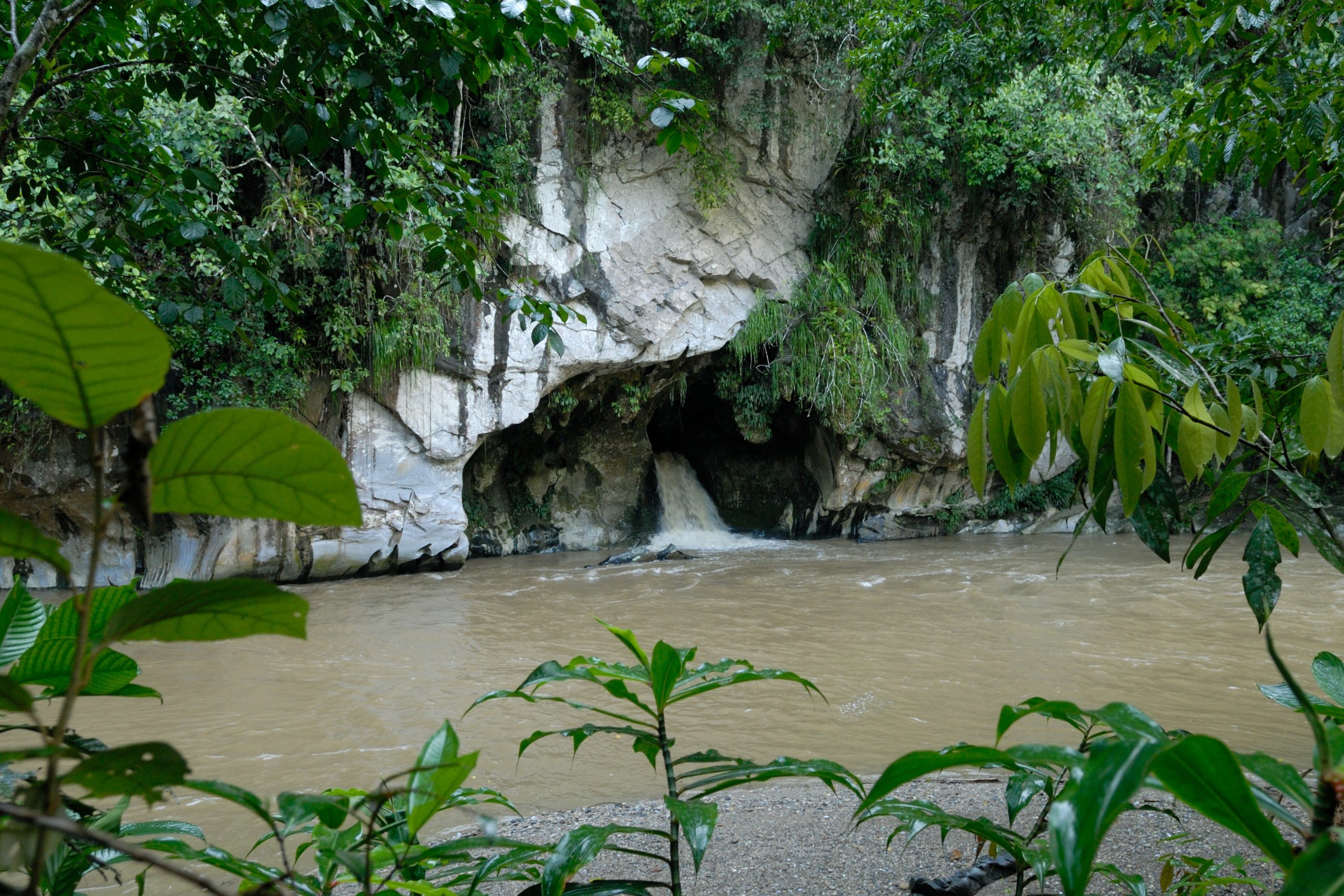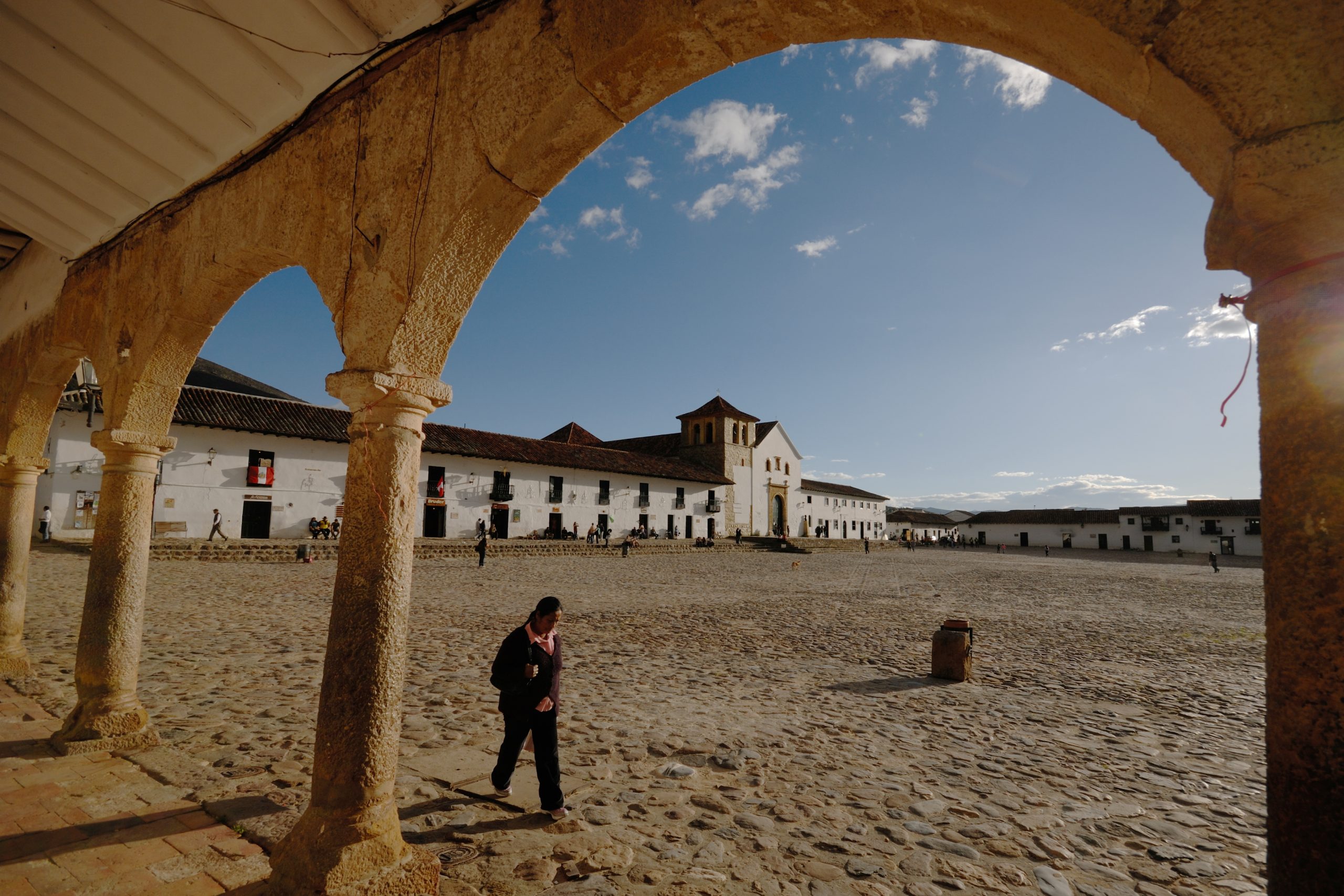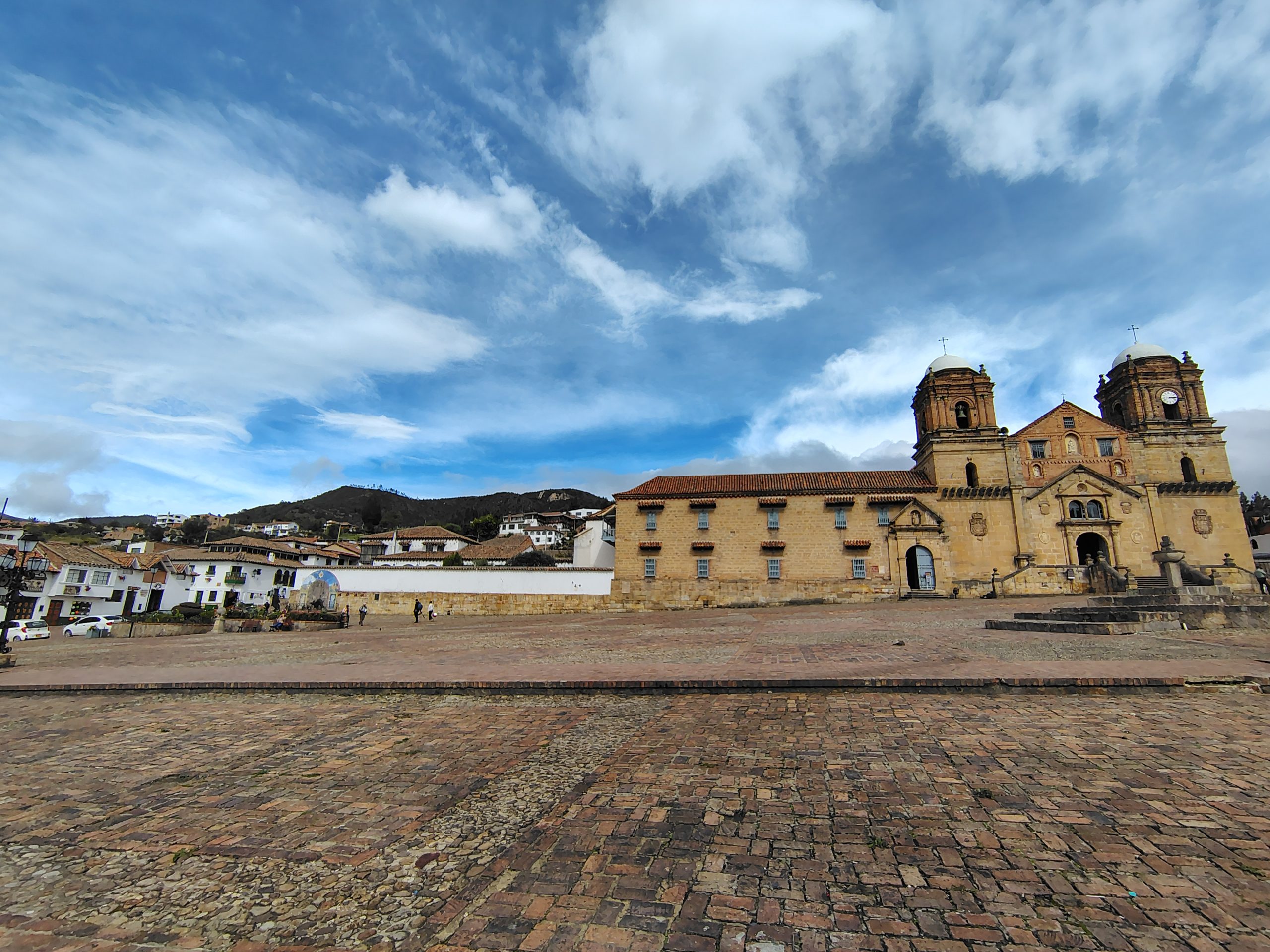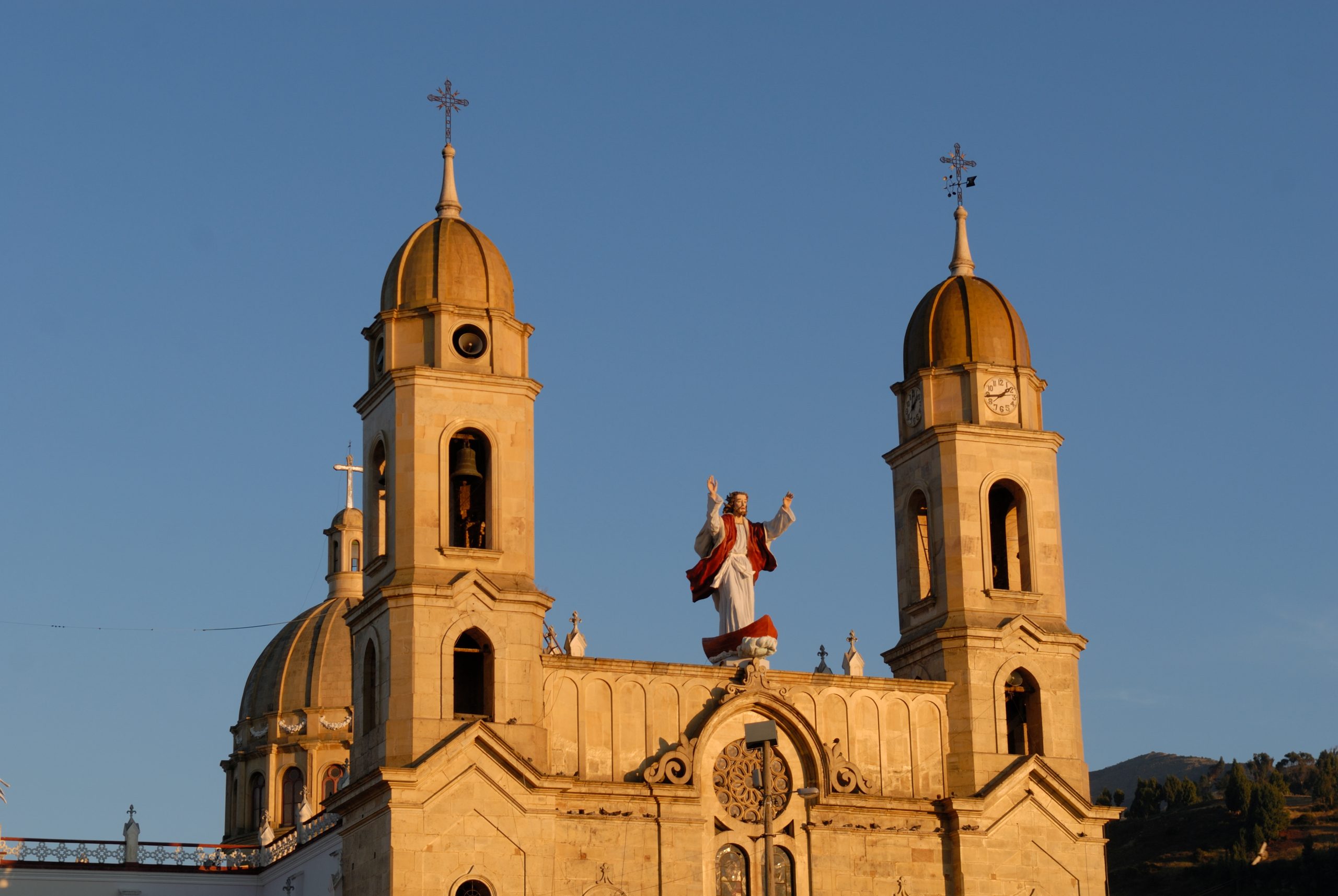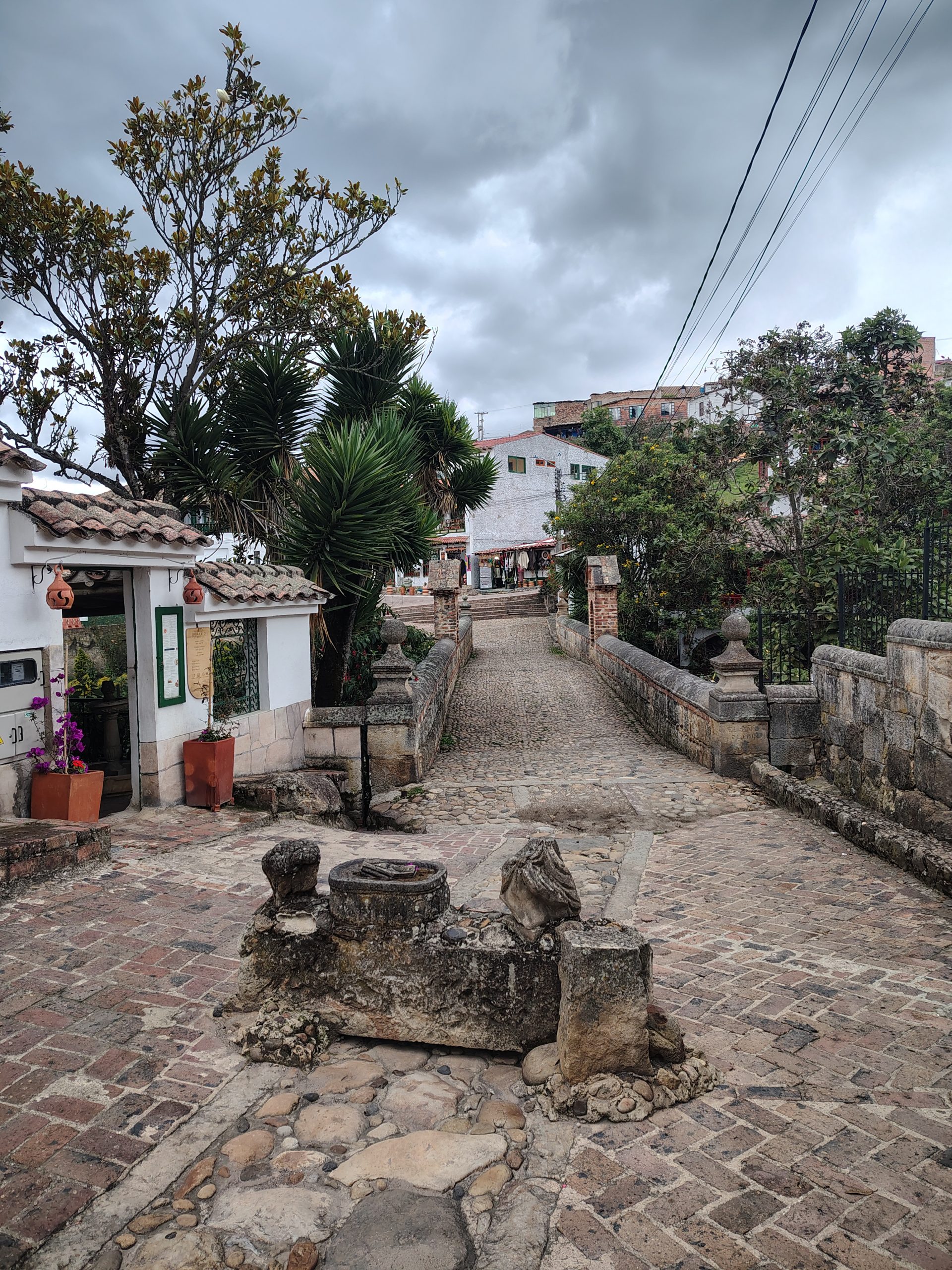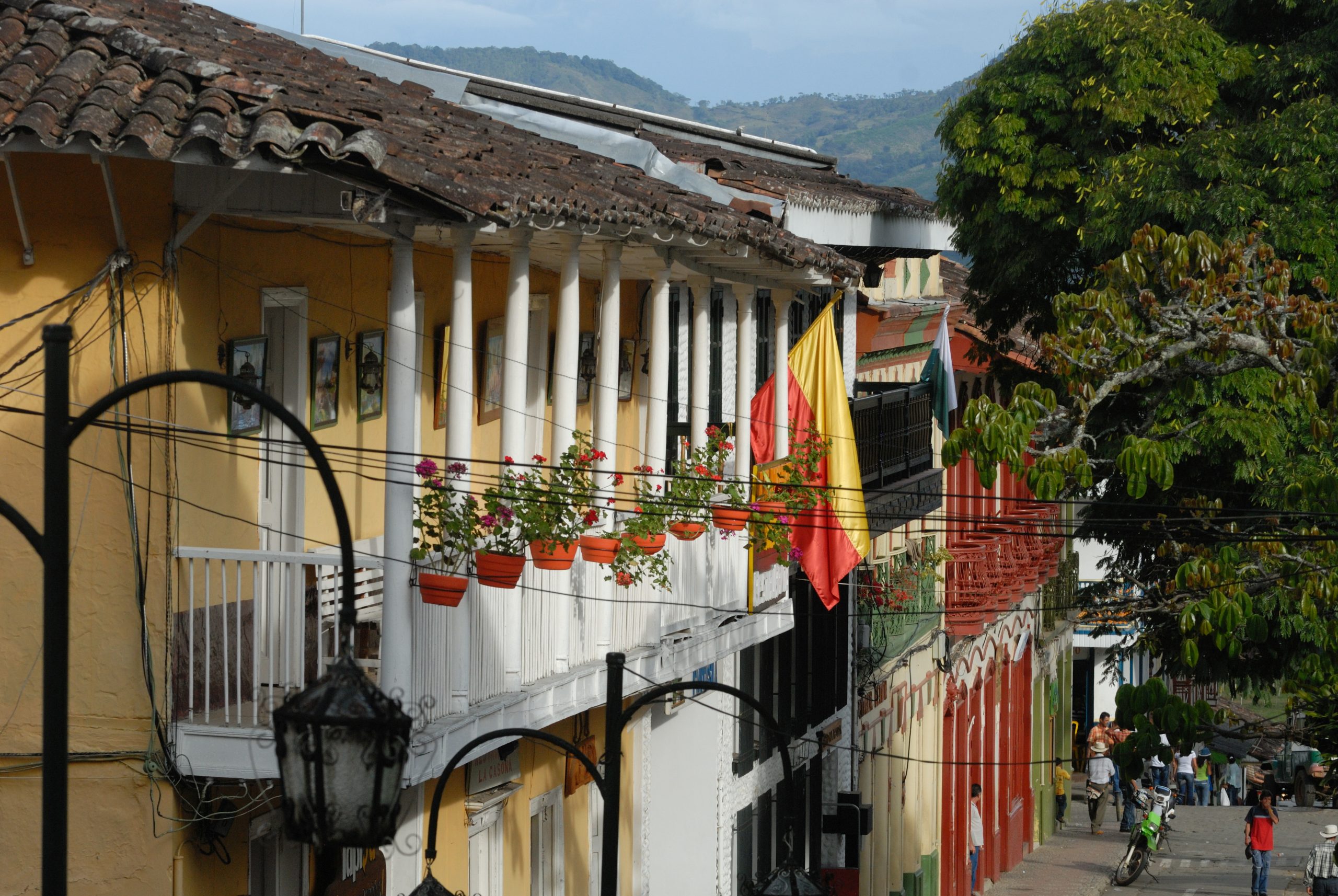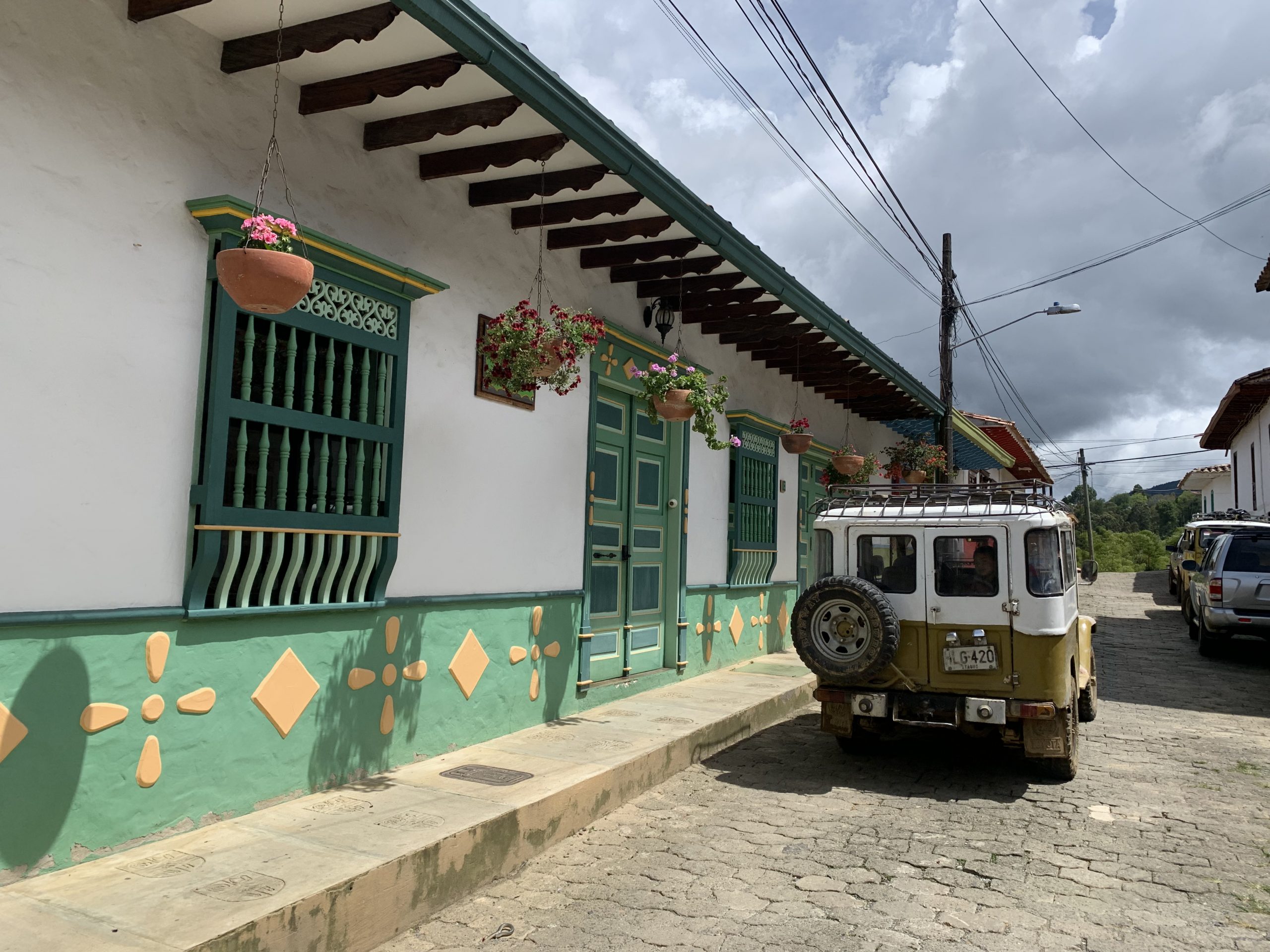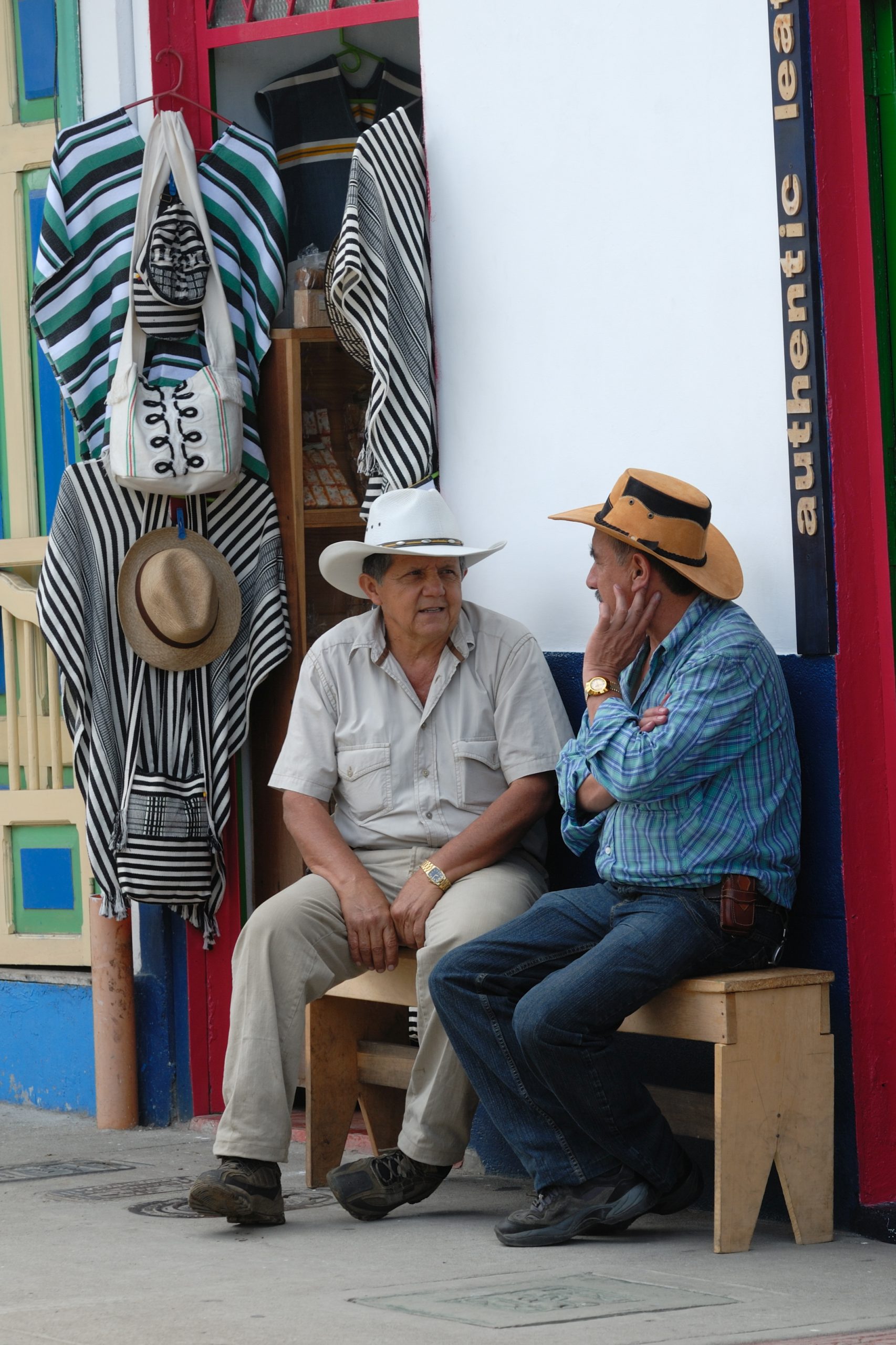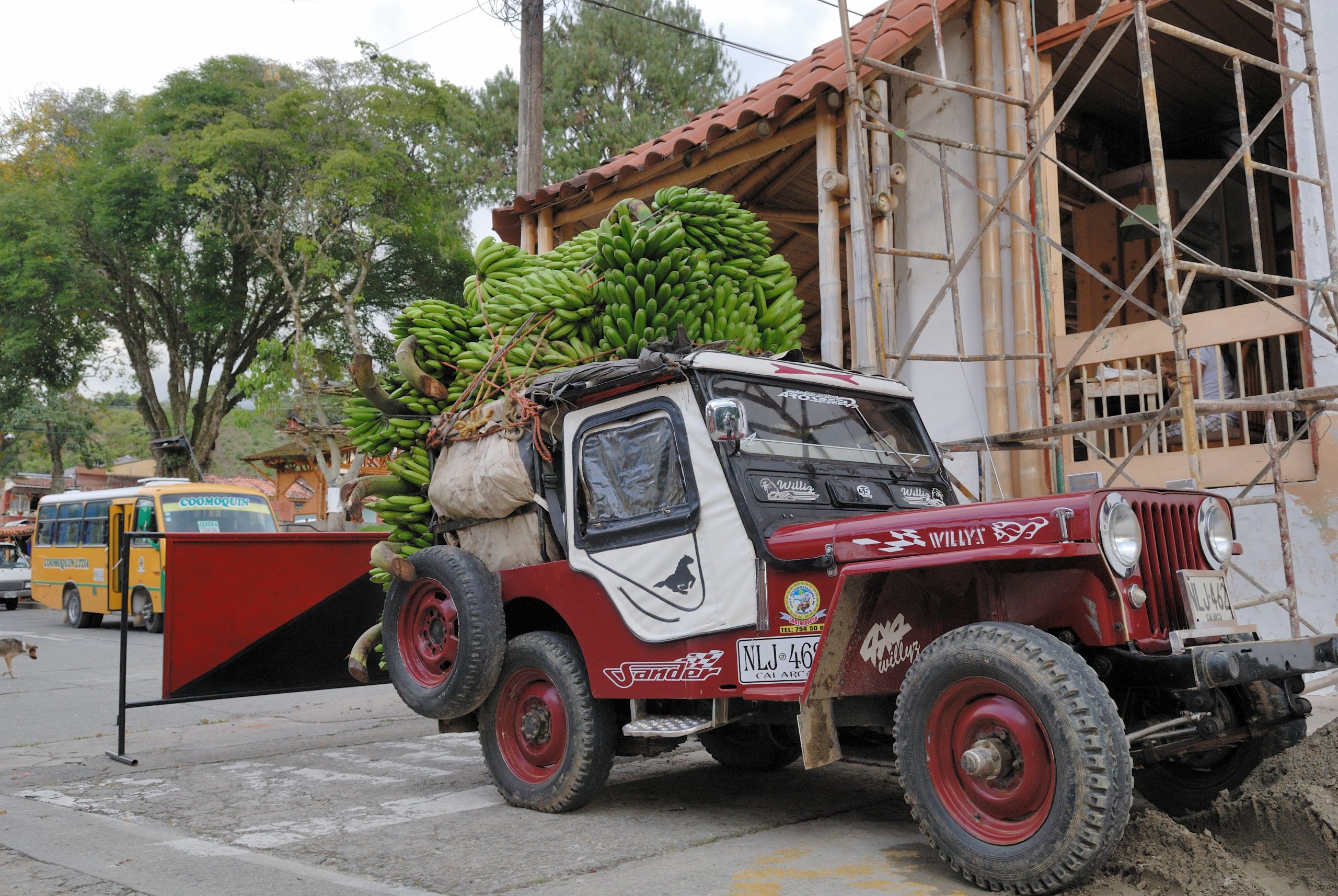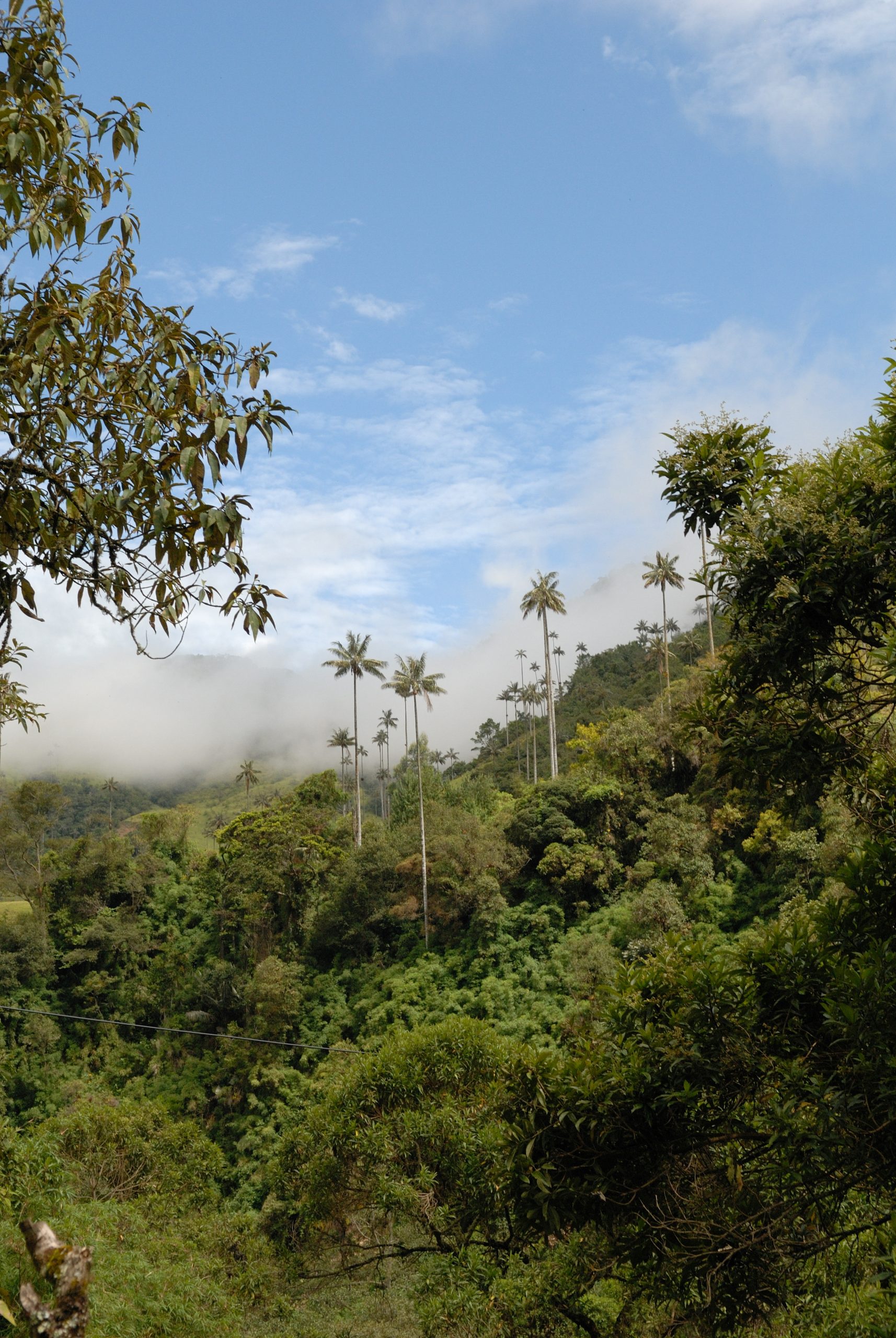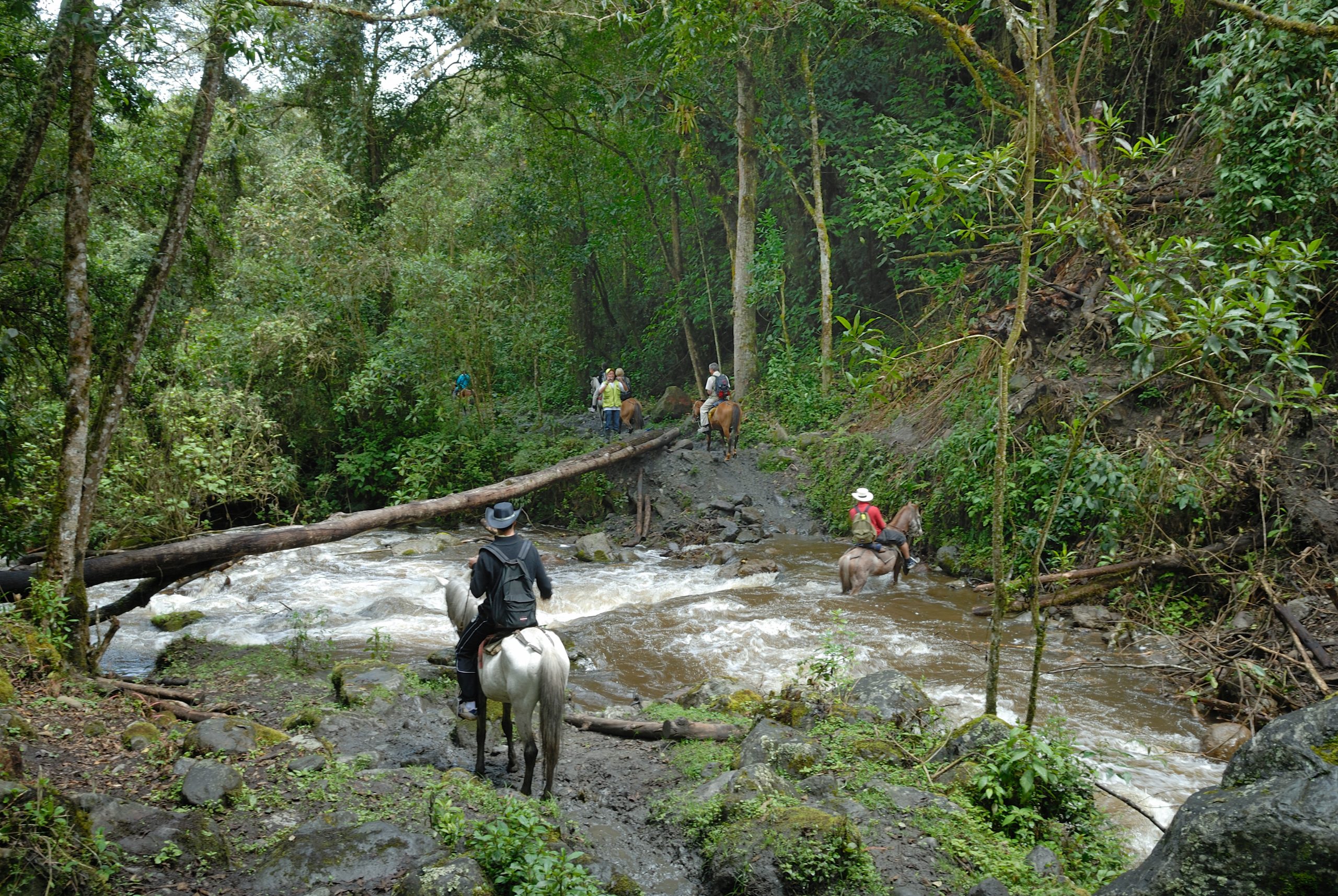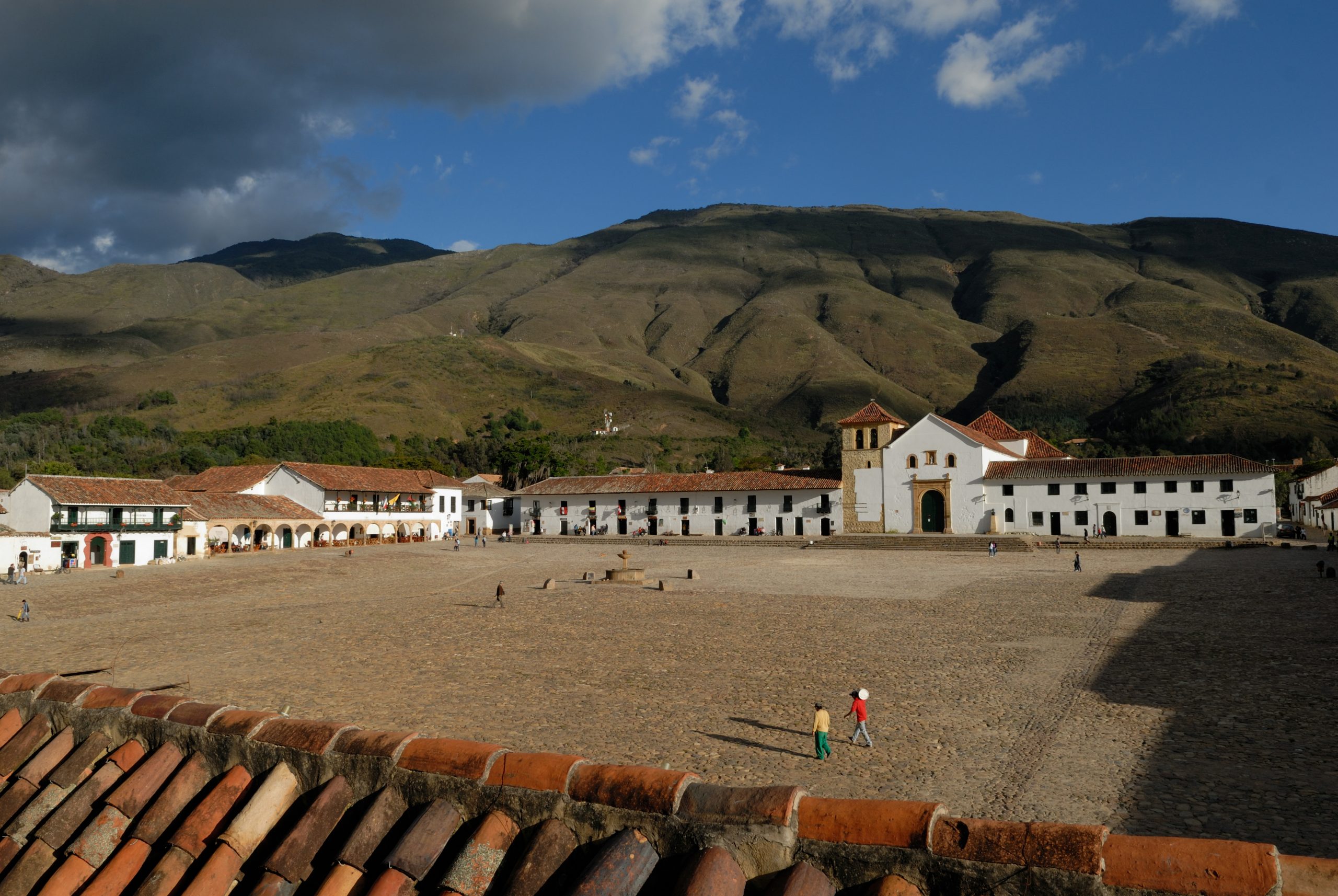
View at Plaza Mayor the biggest central plaza of Colombia, right at the heart of the Colombian Andes.

Andean Region

Toggle section content visibility

Did You Know?

Discovering Colombia’s Andes: Peaks, History, and Coffee Culture

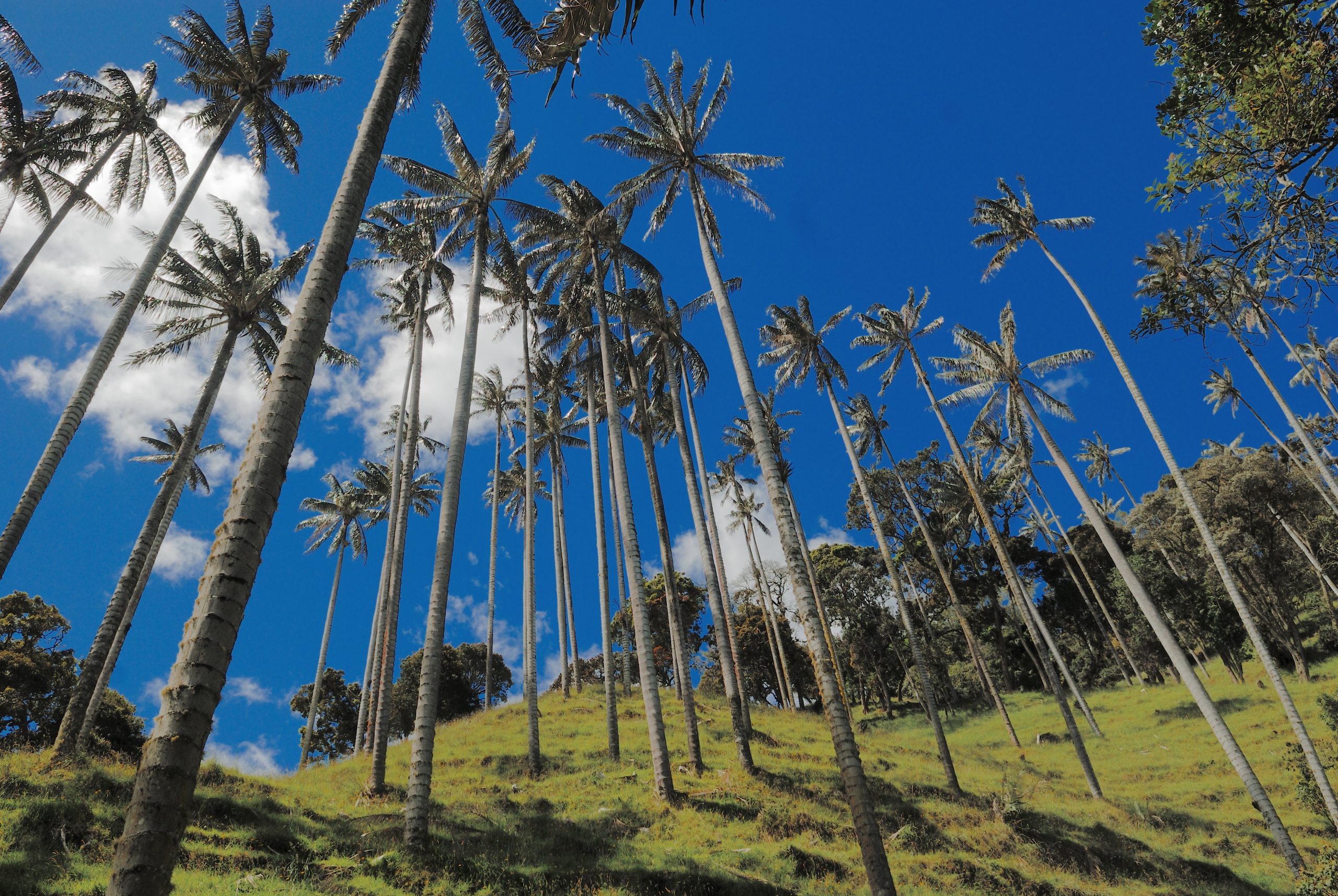
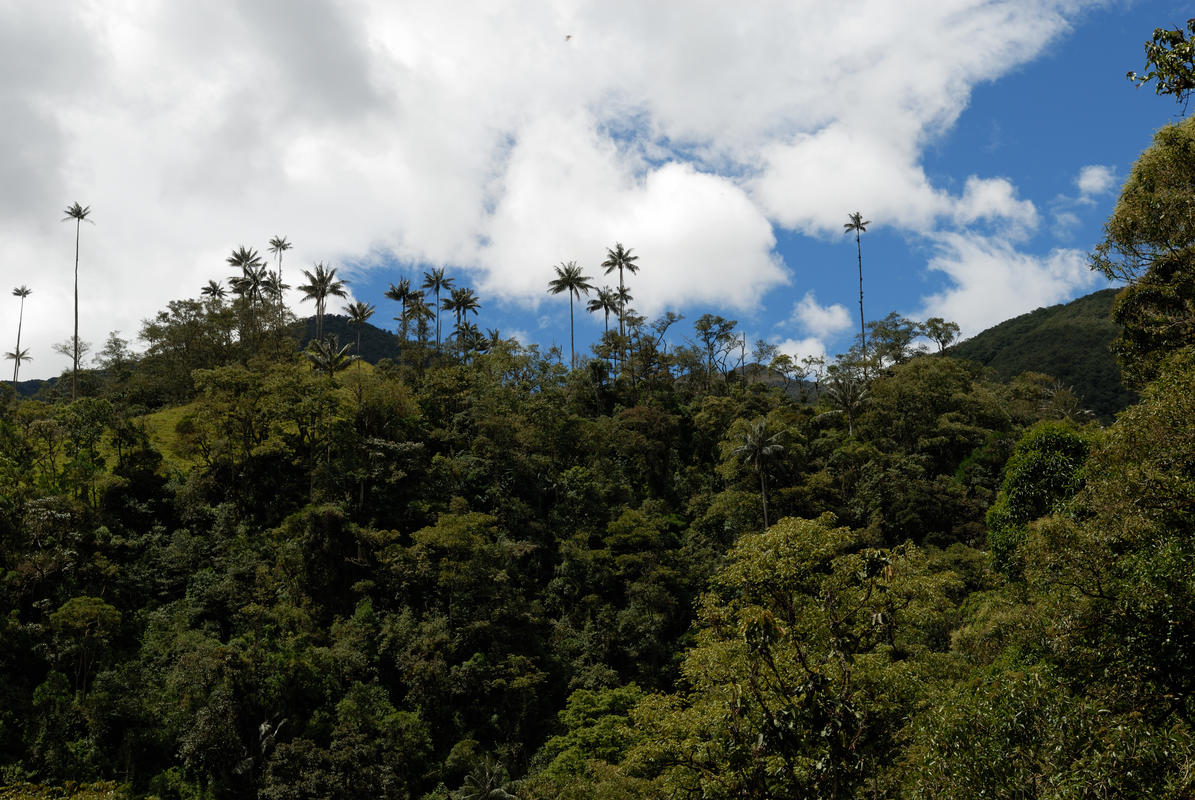
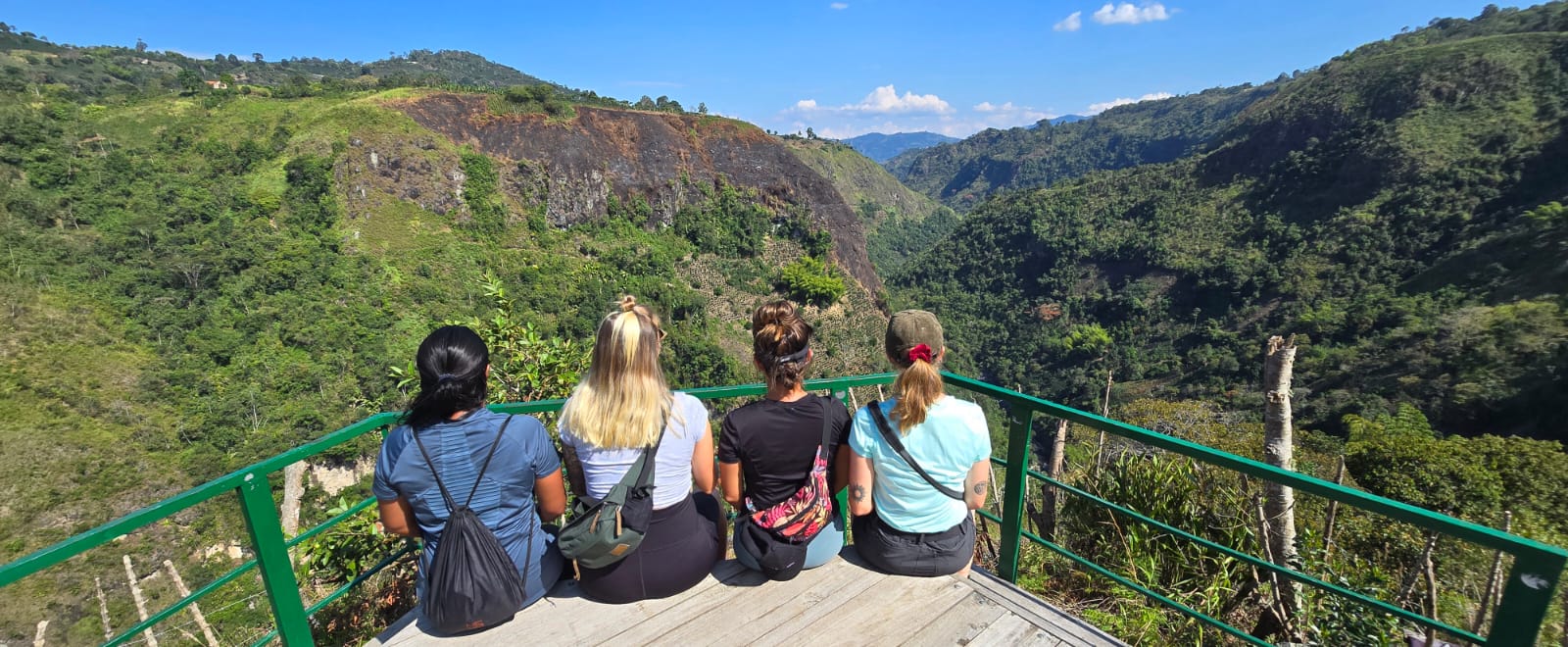
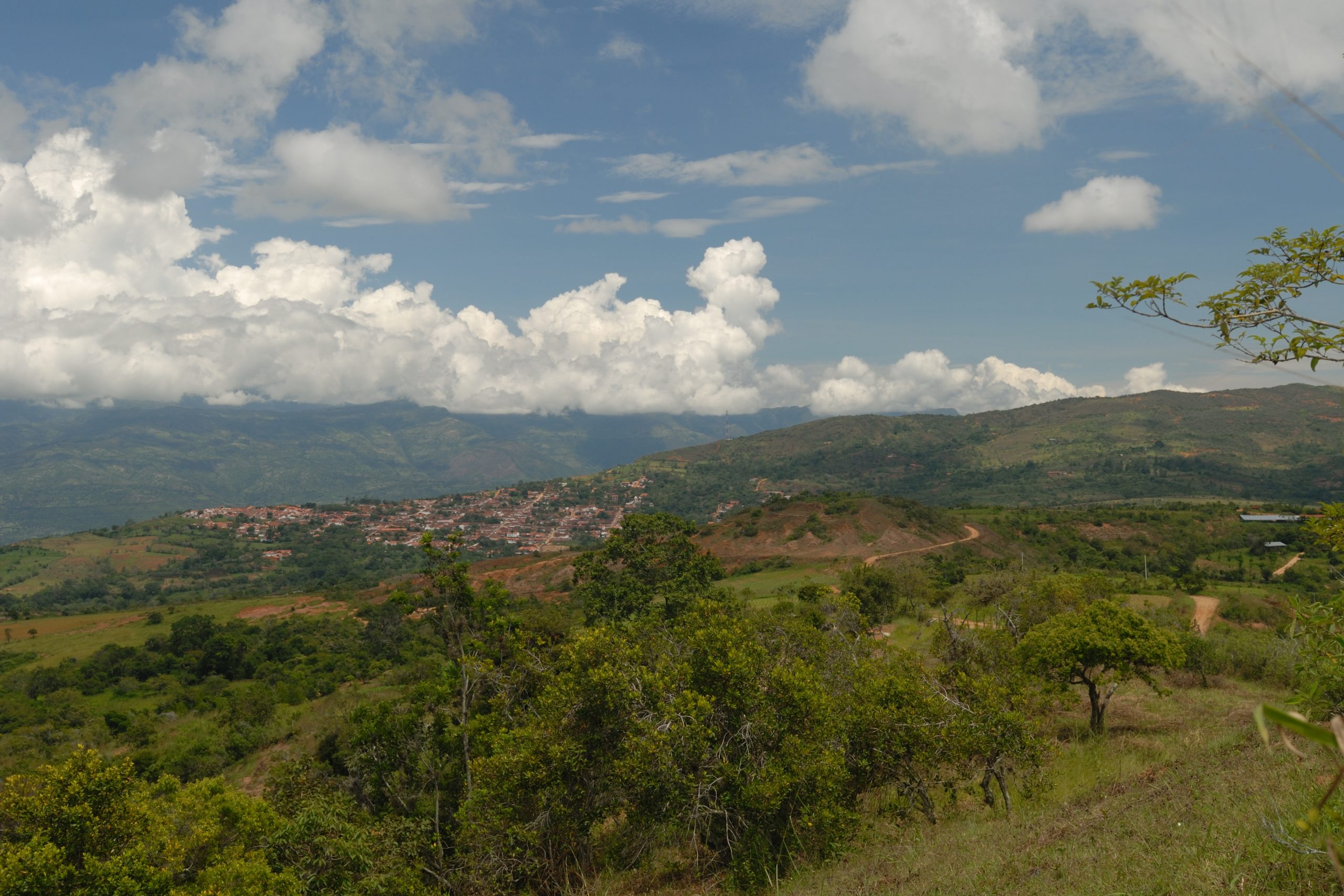
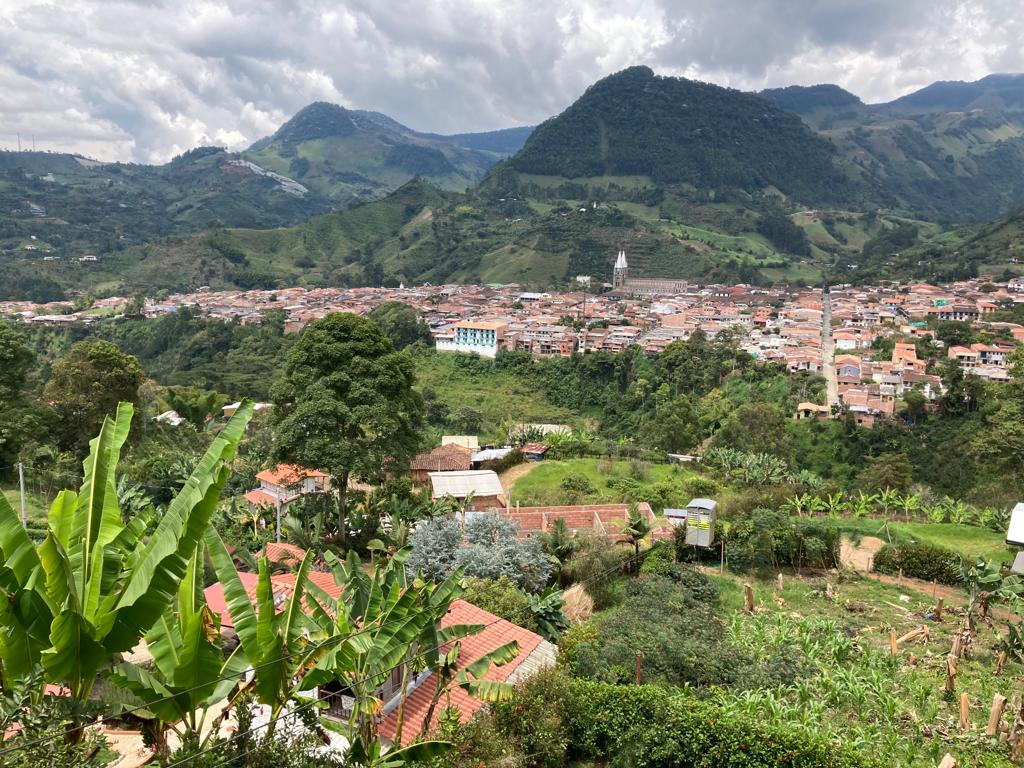
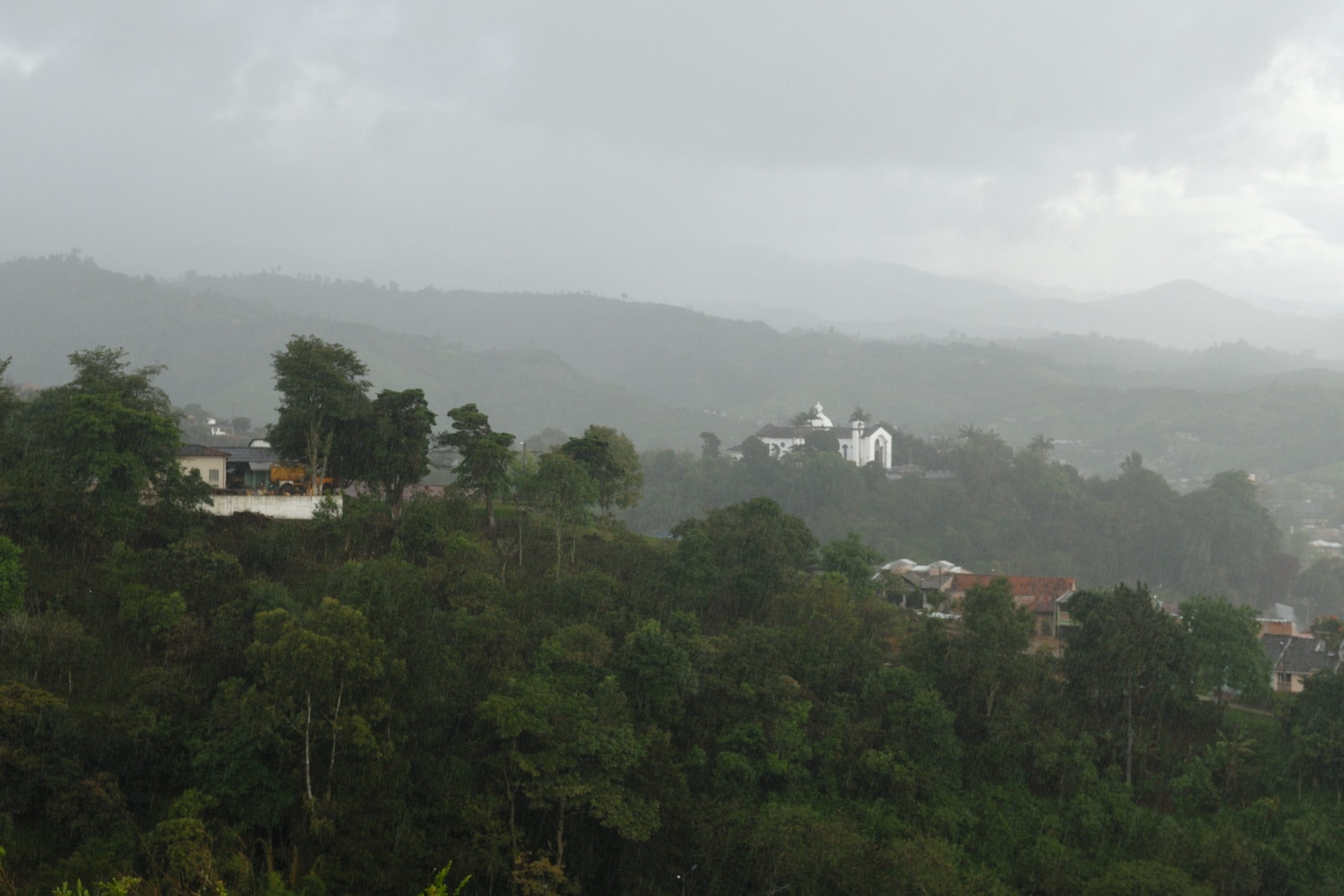
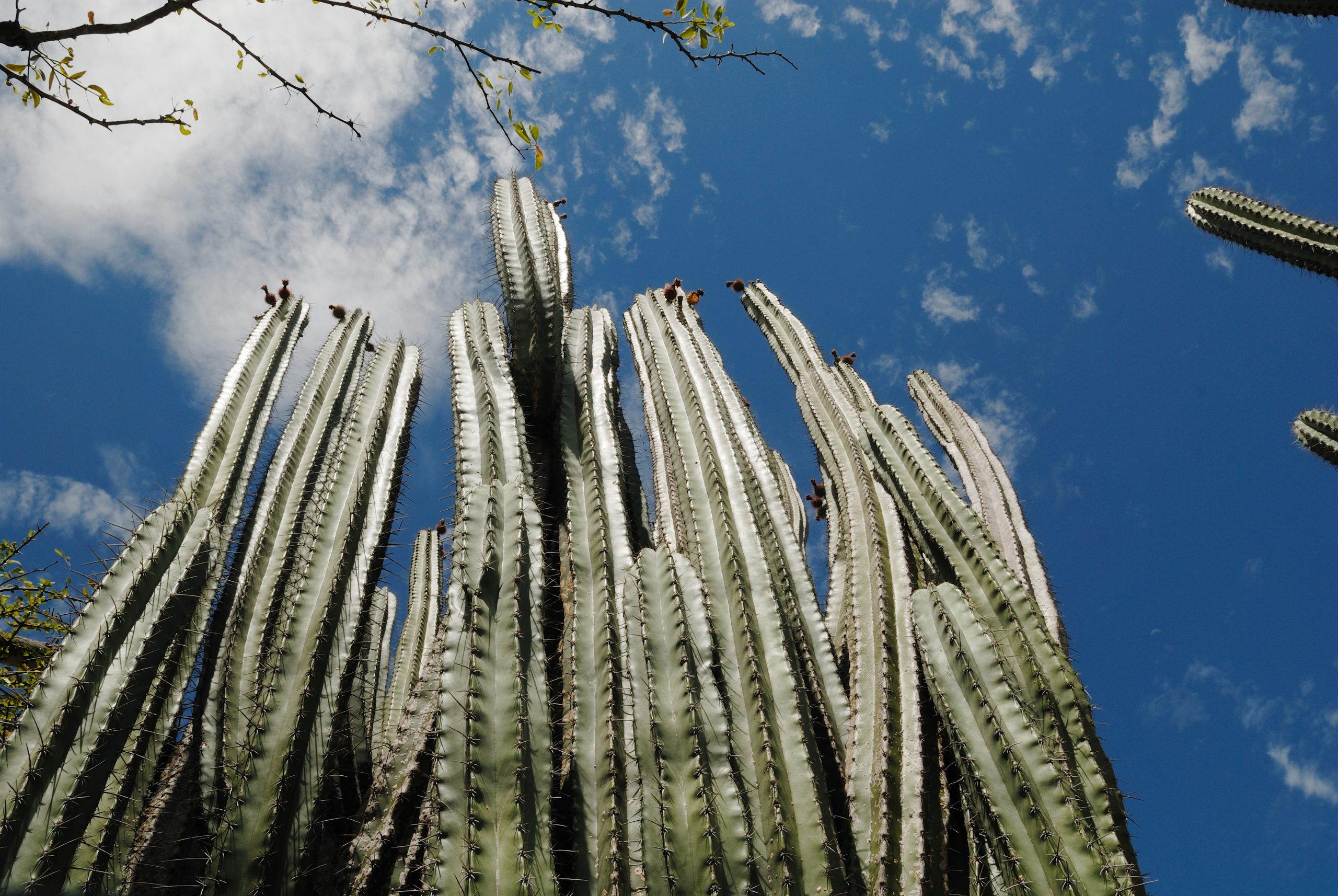
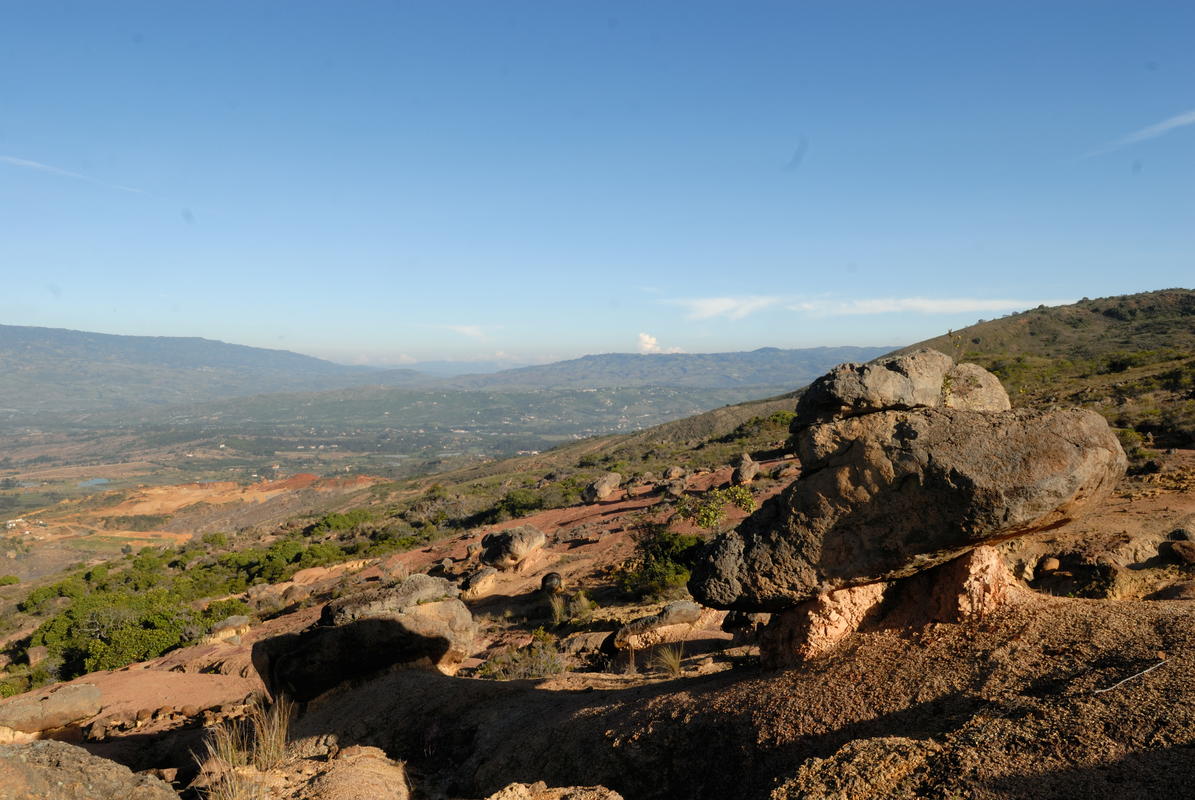
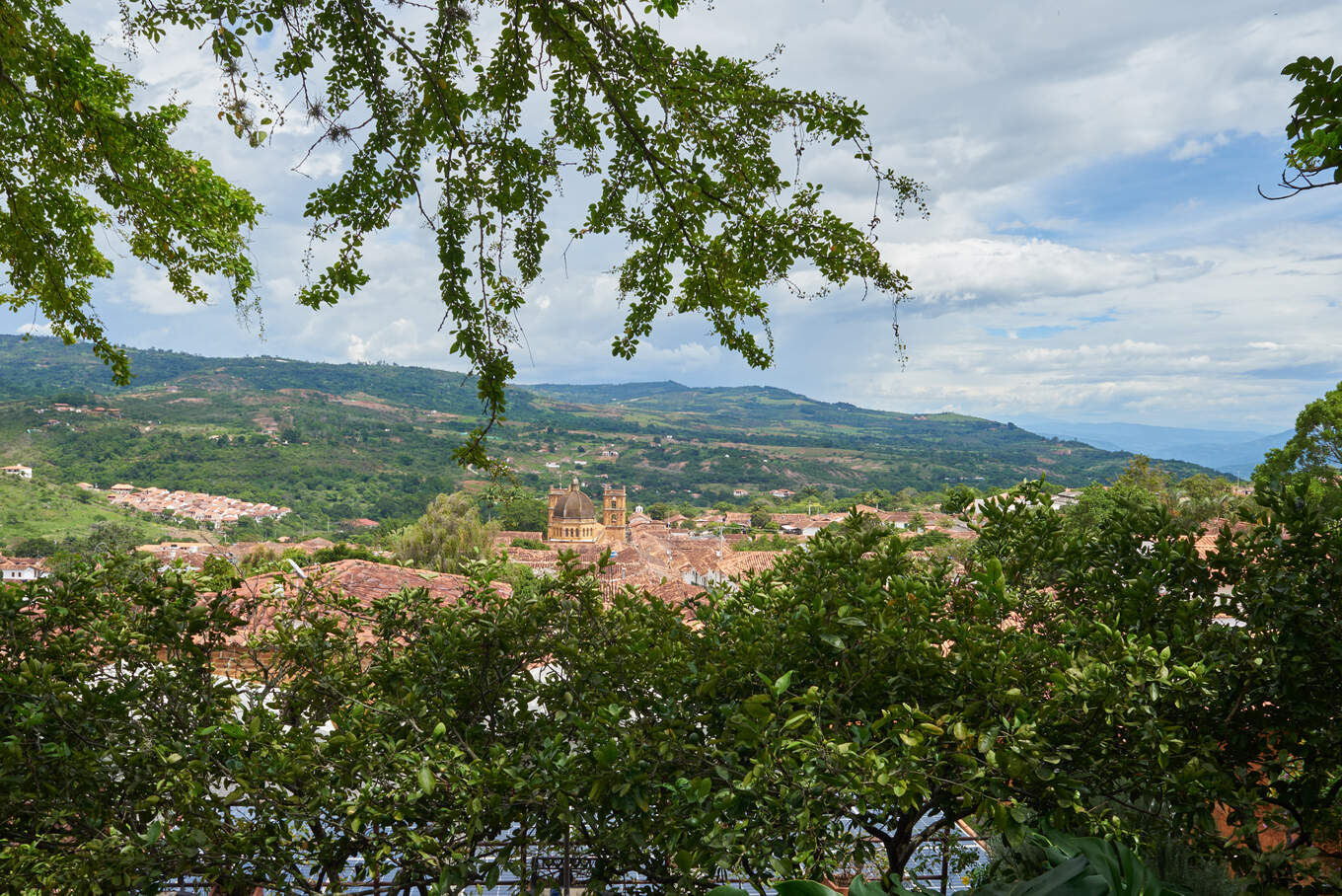
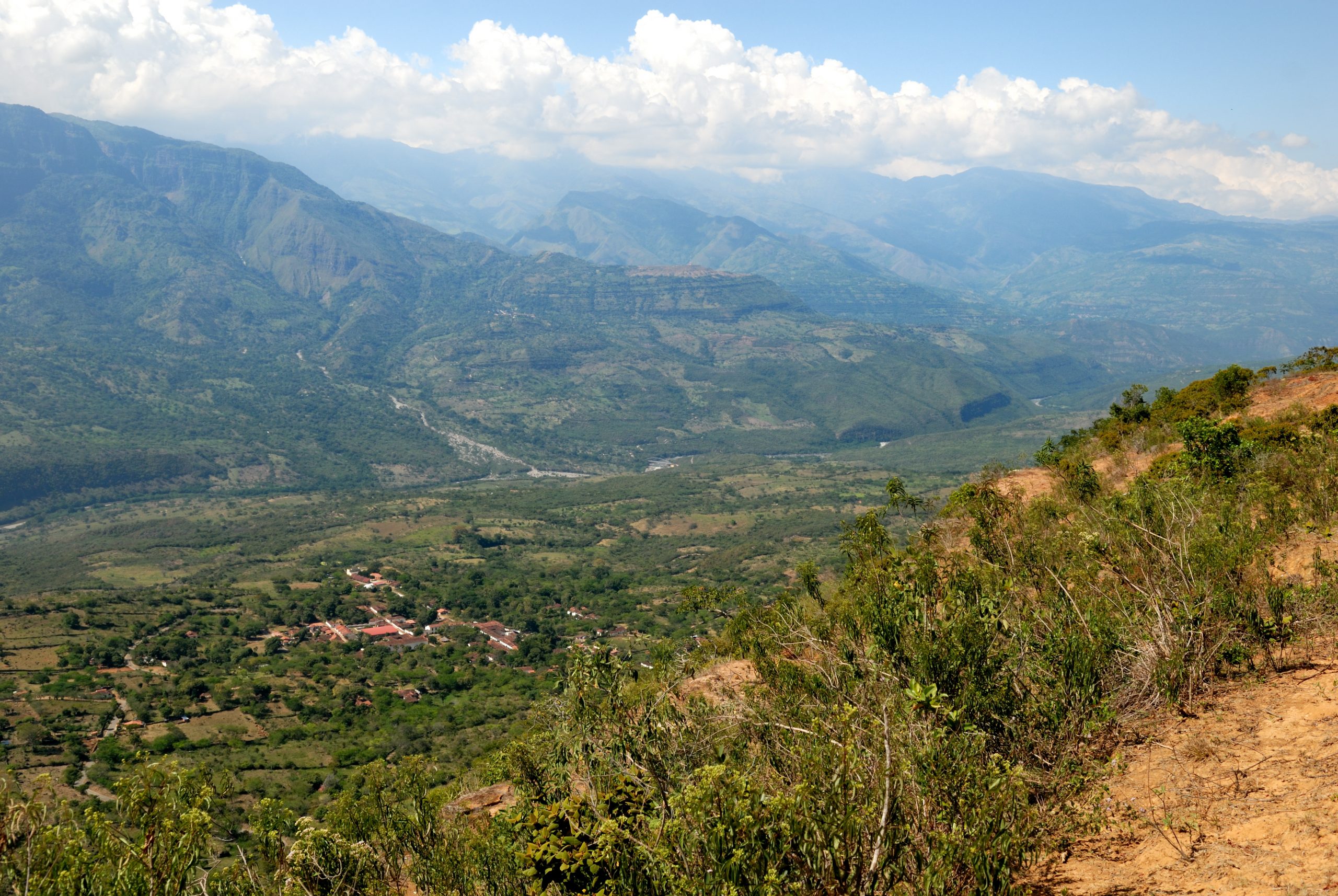
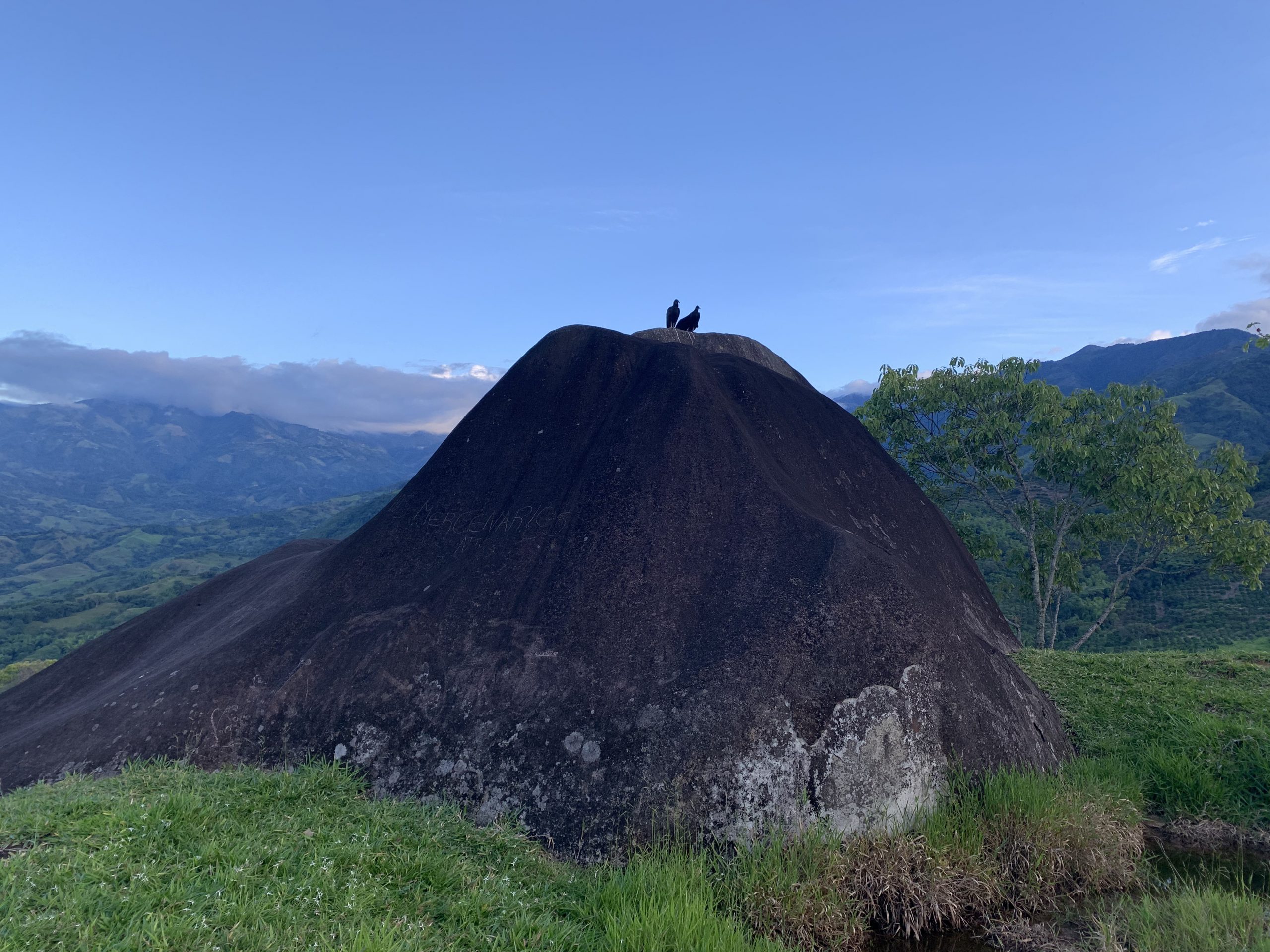
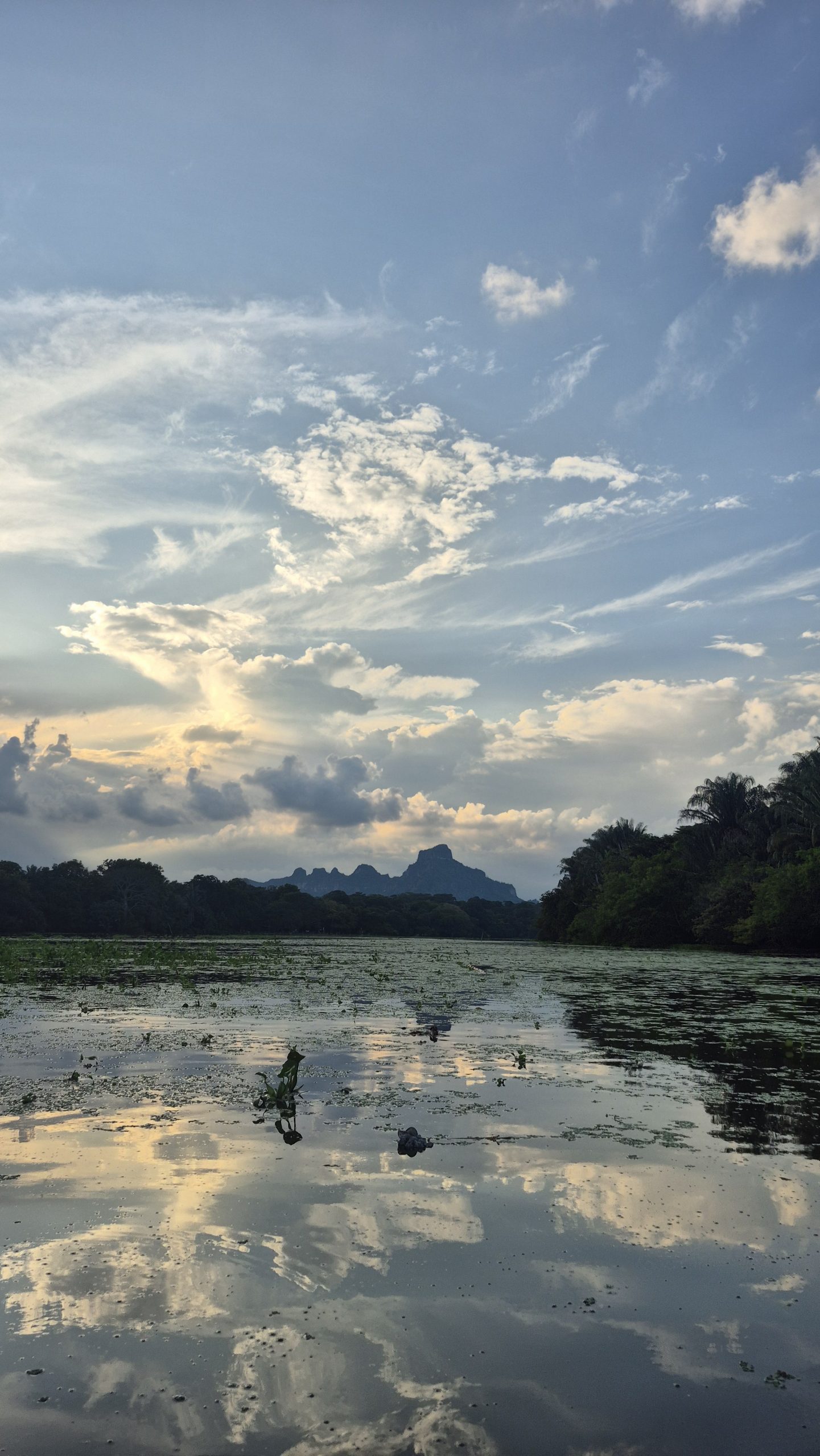
Three massive mountain ranges form Colombia’s Andes: the Western, Central, and Eastern Cordilleras. Together, they carve out dramatic canyons, high-altitude deserts, and lush coffee valleys.

Historic Boyacá and Emerald Treasures

History runs deep in the high plains of Boyacá. Here, the historic 1819 Battle of Boyacá secured Colombia’s independence. Deep beneath these same mountains lie the world’s finest emeralds. Mined in Muzo, Coscuez, and Chivor, these green gems link ancient Indigenous traditions with modern local craftsmanship

Colonial Charm in Villa de Leyva

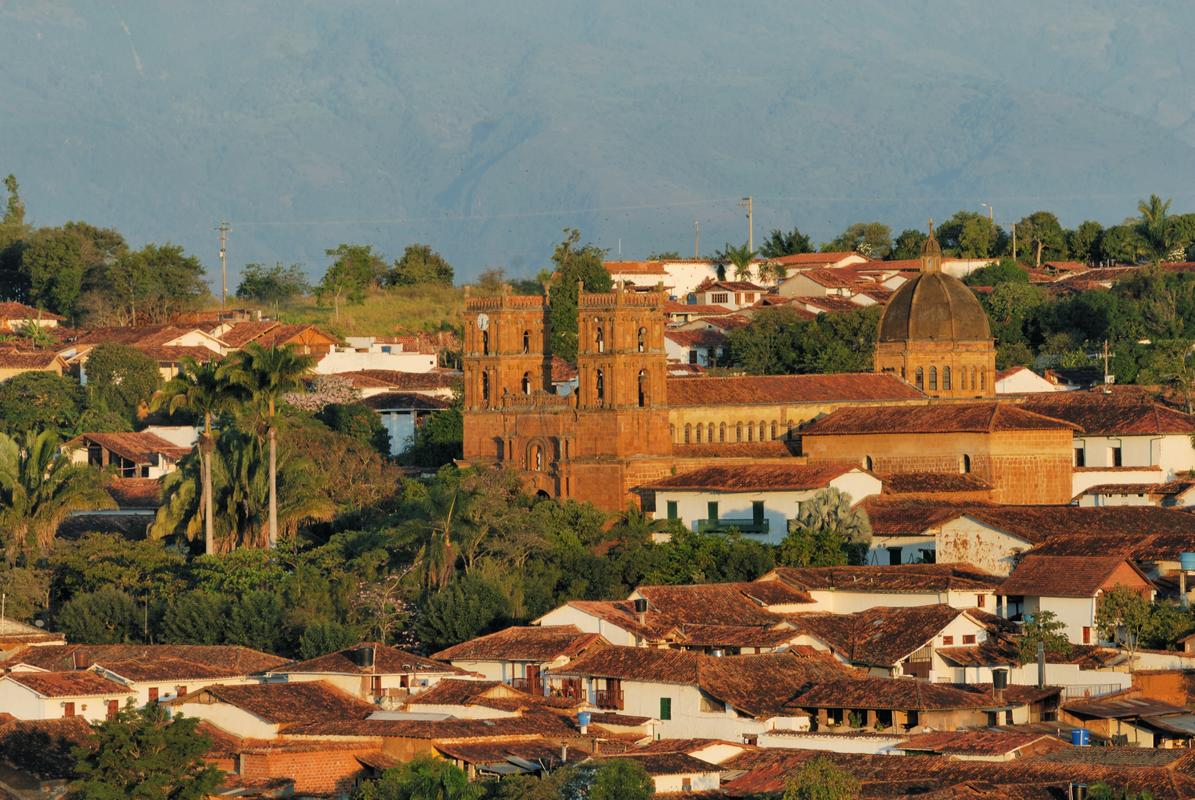
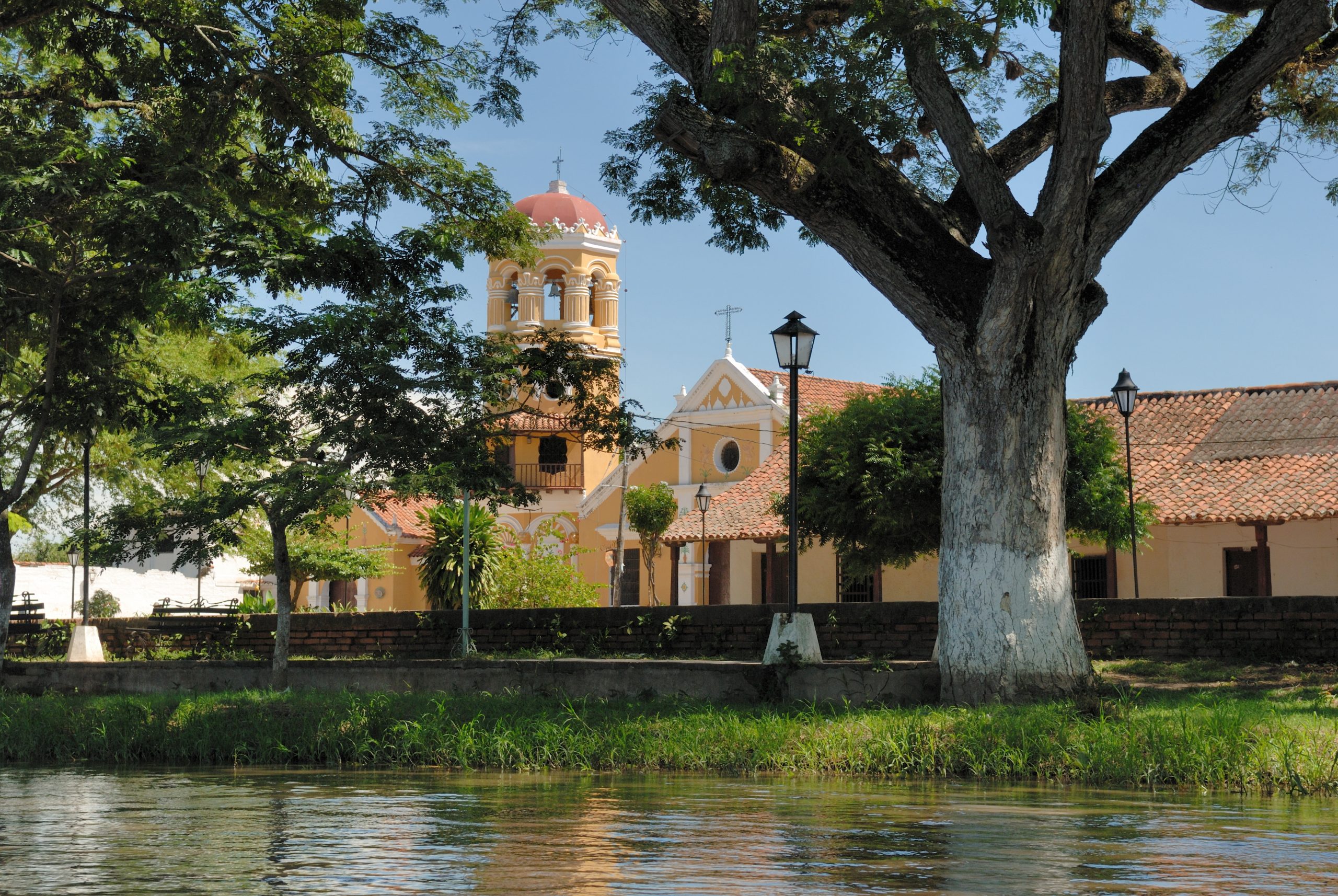
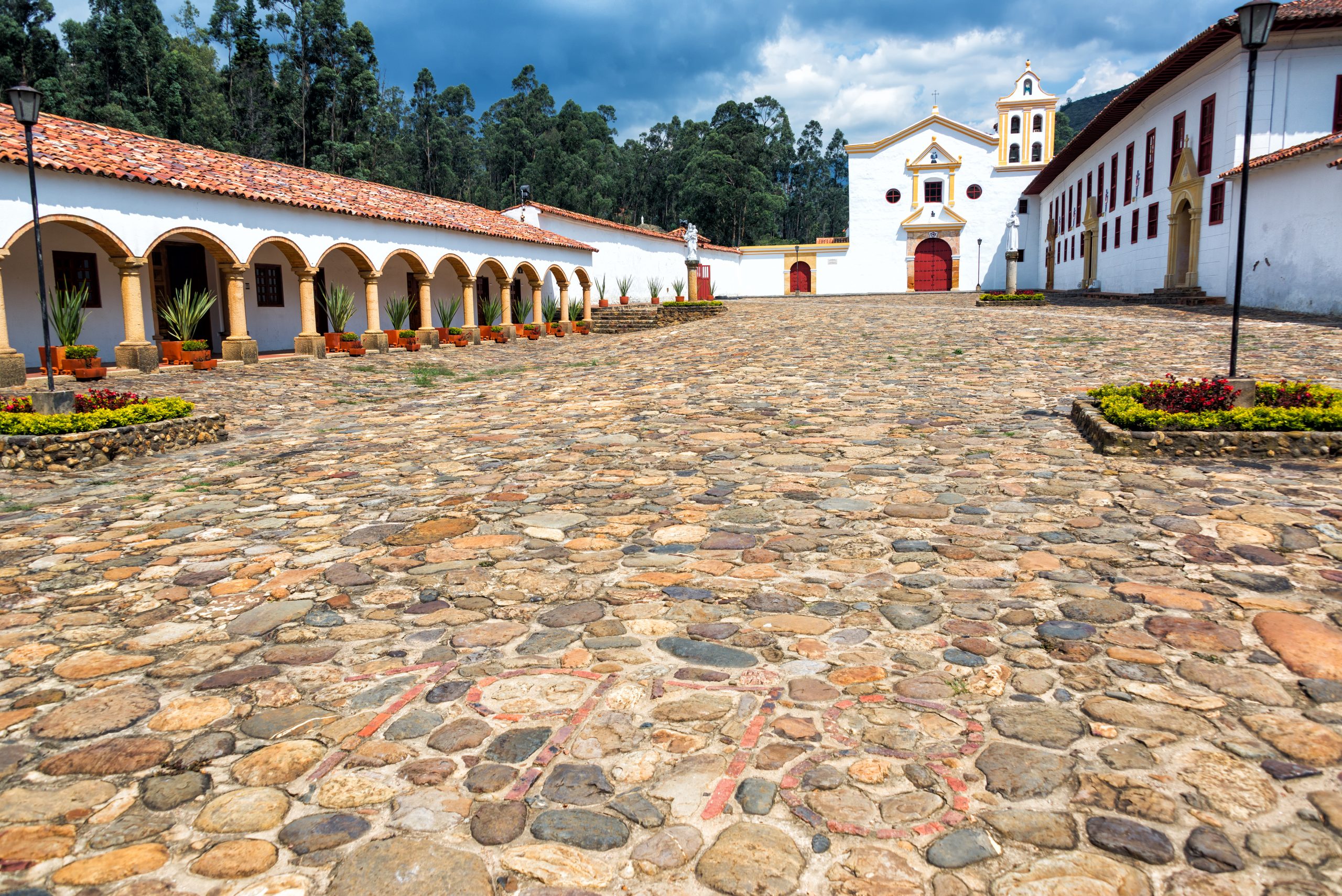
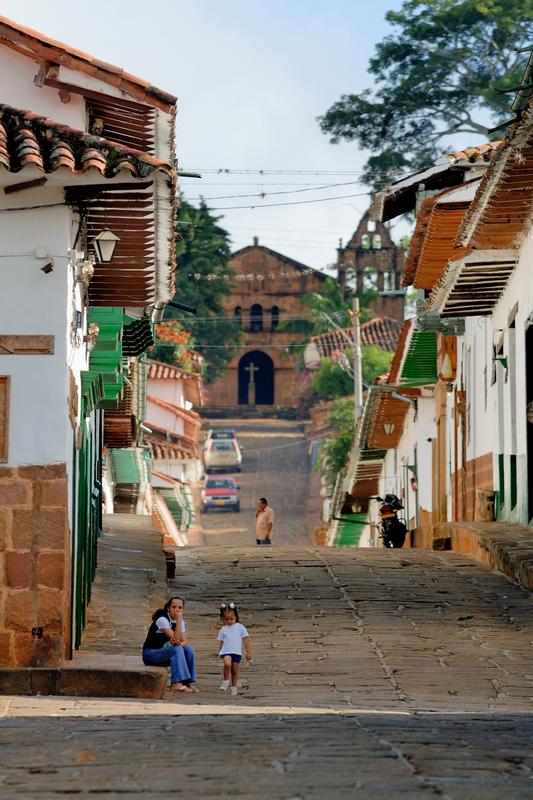
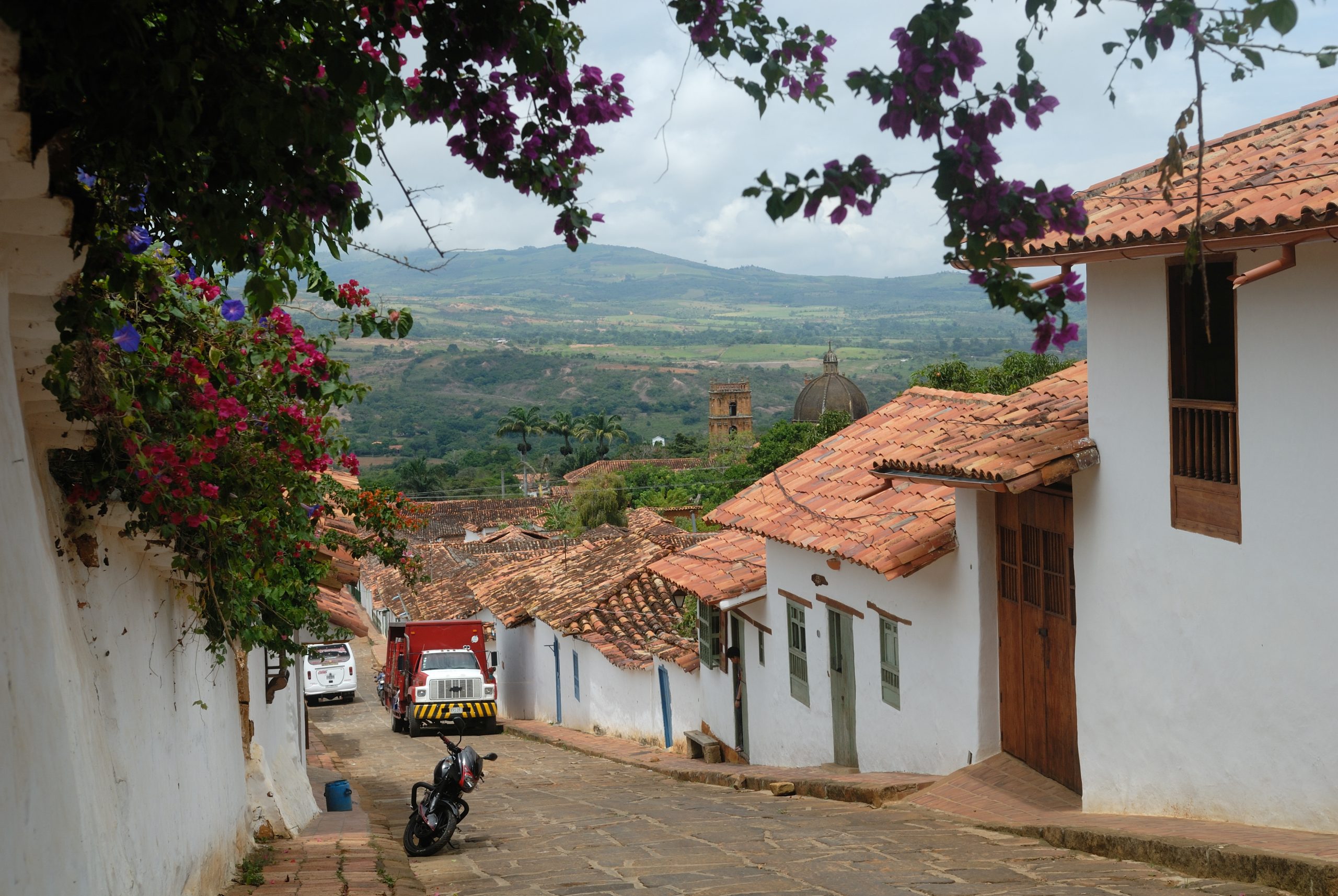
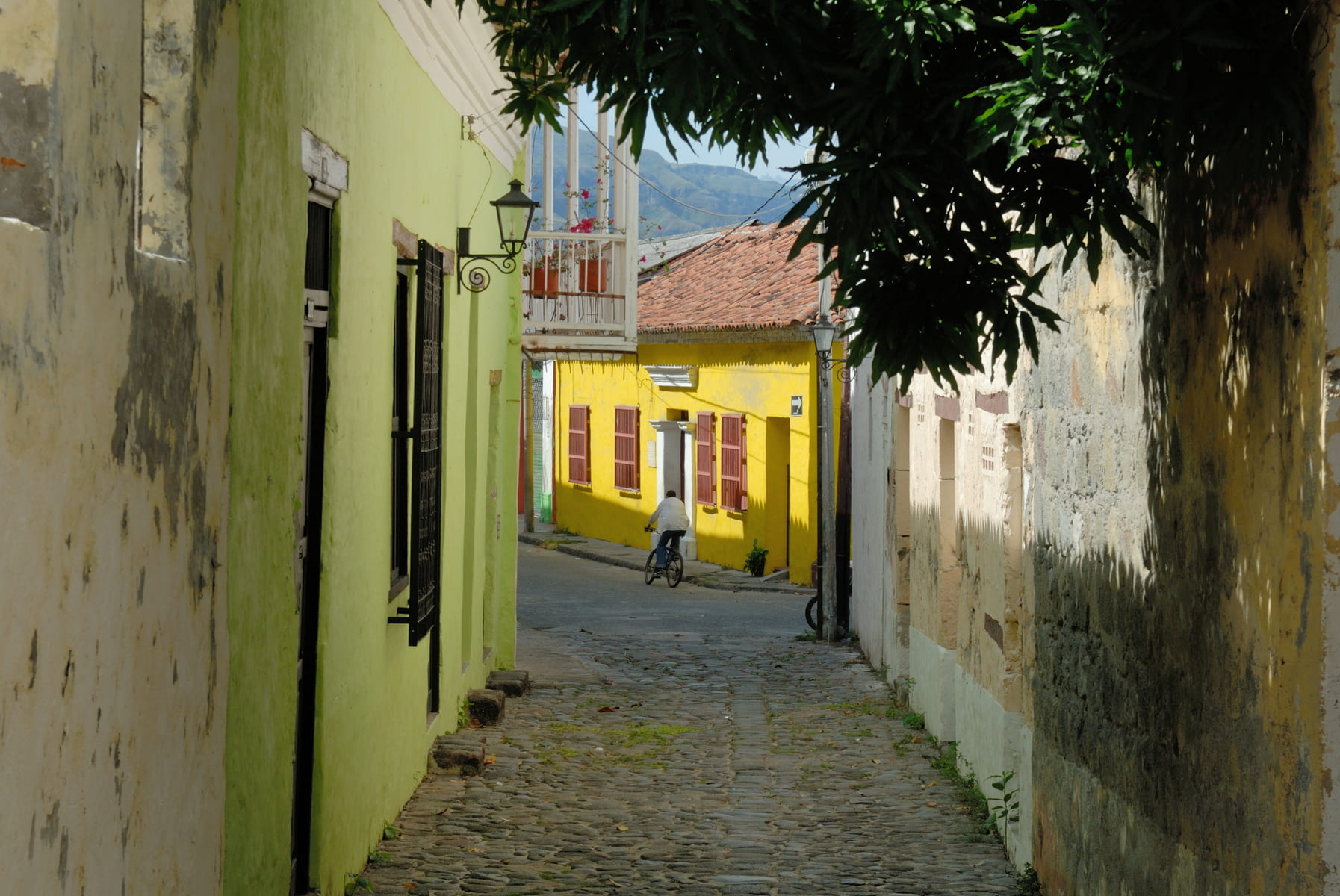
Travel back in time in Villa de Leyva. Whitewashed buildings, heavy wooden doors, and clay-tile roofs line its quiet streets. At the center lies an enormous cobblestone plaza, covering over 14,000 square meters—one of the largest paved squares in South America. Pristine colonial architecture and nearby fossil sites make this town an unforgettable stop in Colombia’s Andes.

Thrills in the Chicamocha Canyon

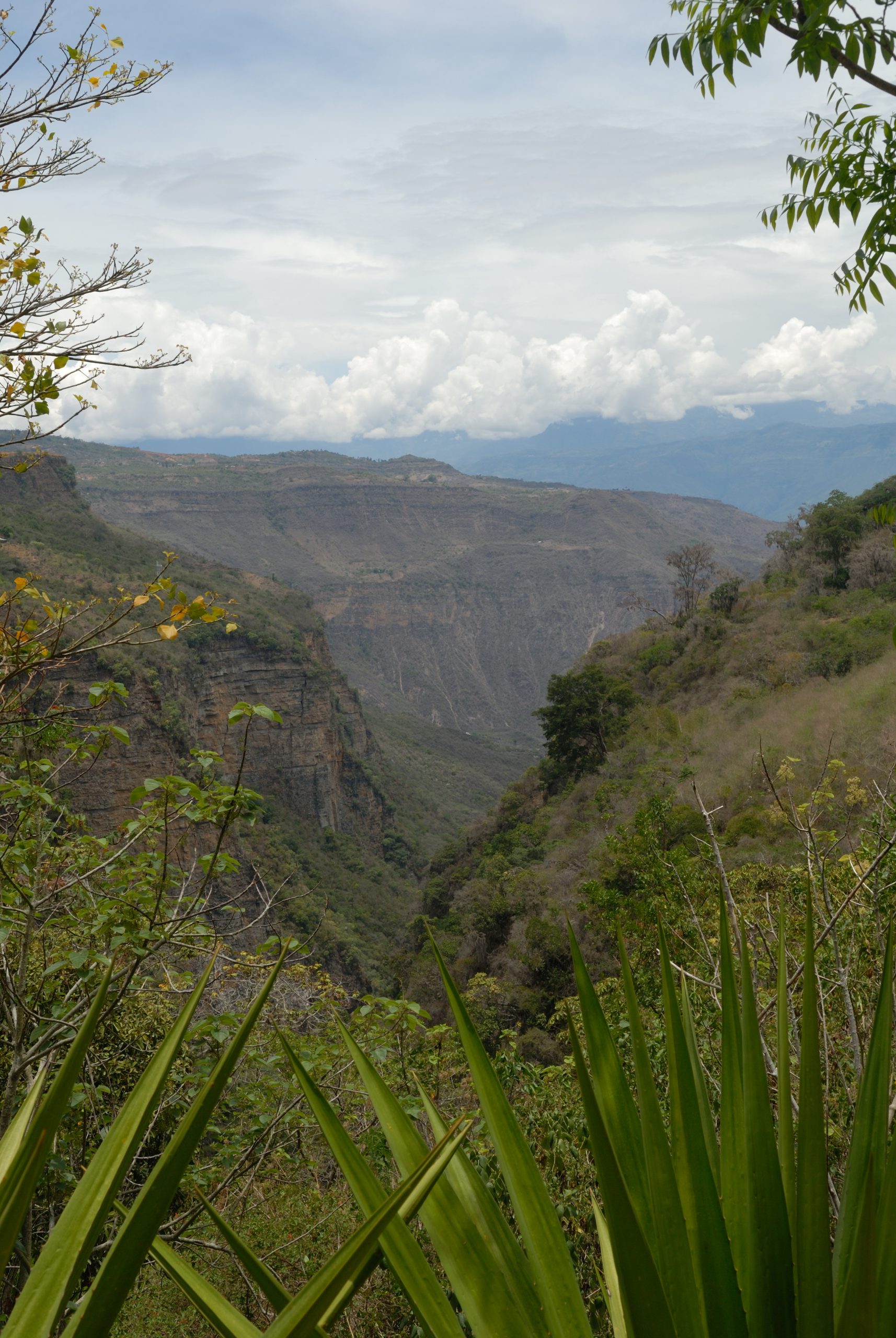
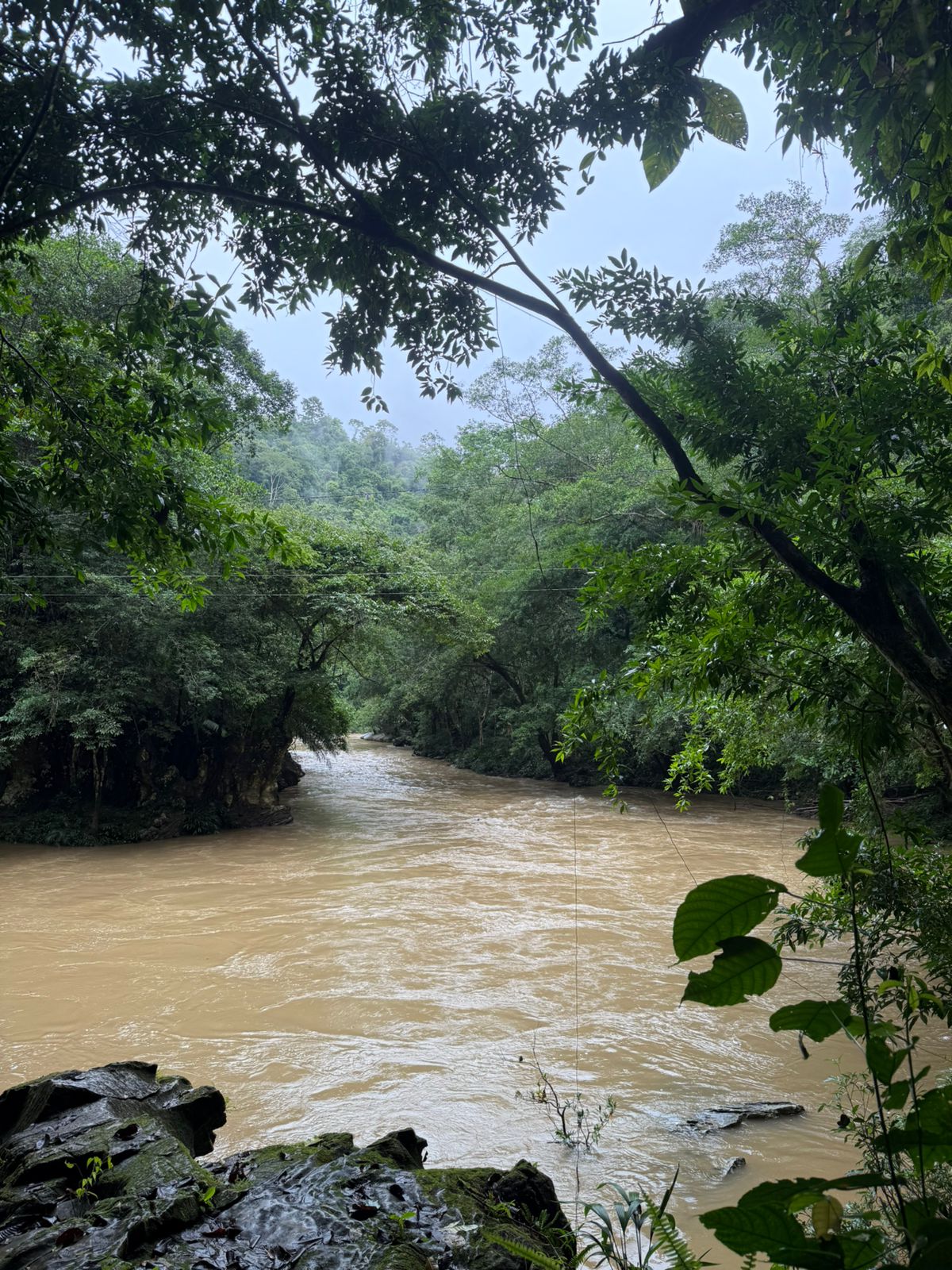
Santander delivers non-stop action for outdoor enthusiasts. The massive Chicamocha Canyon carves a deep scar through the landscape, plunging over 2,000 meters deep. Visitors can catch thermal updrafts on tandem paragliders, raft the rushing rapids of the Fonce and Suárez rivers, or trek steep historic trails connecting stone-paved villages.

The Heart of Coffee Culture

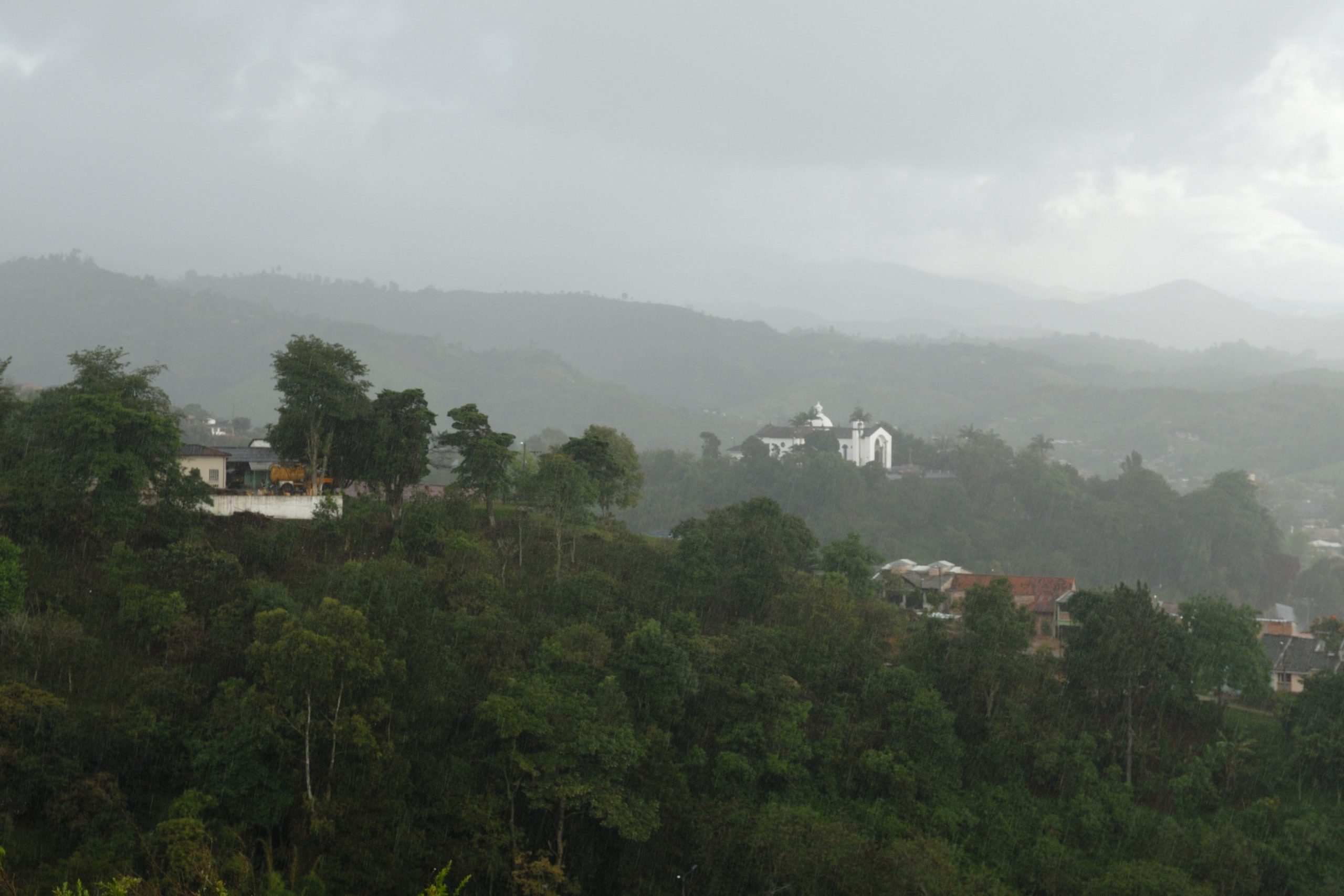
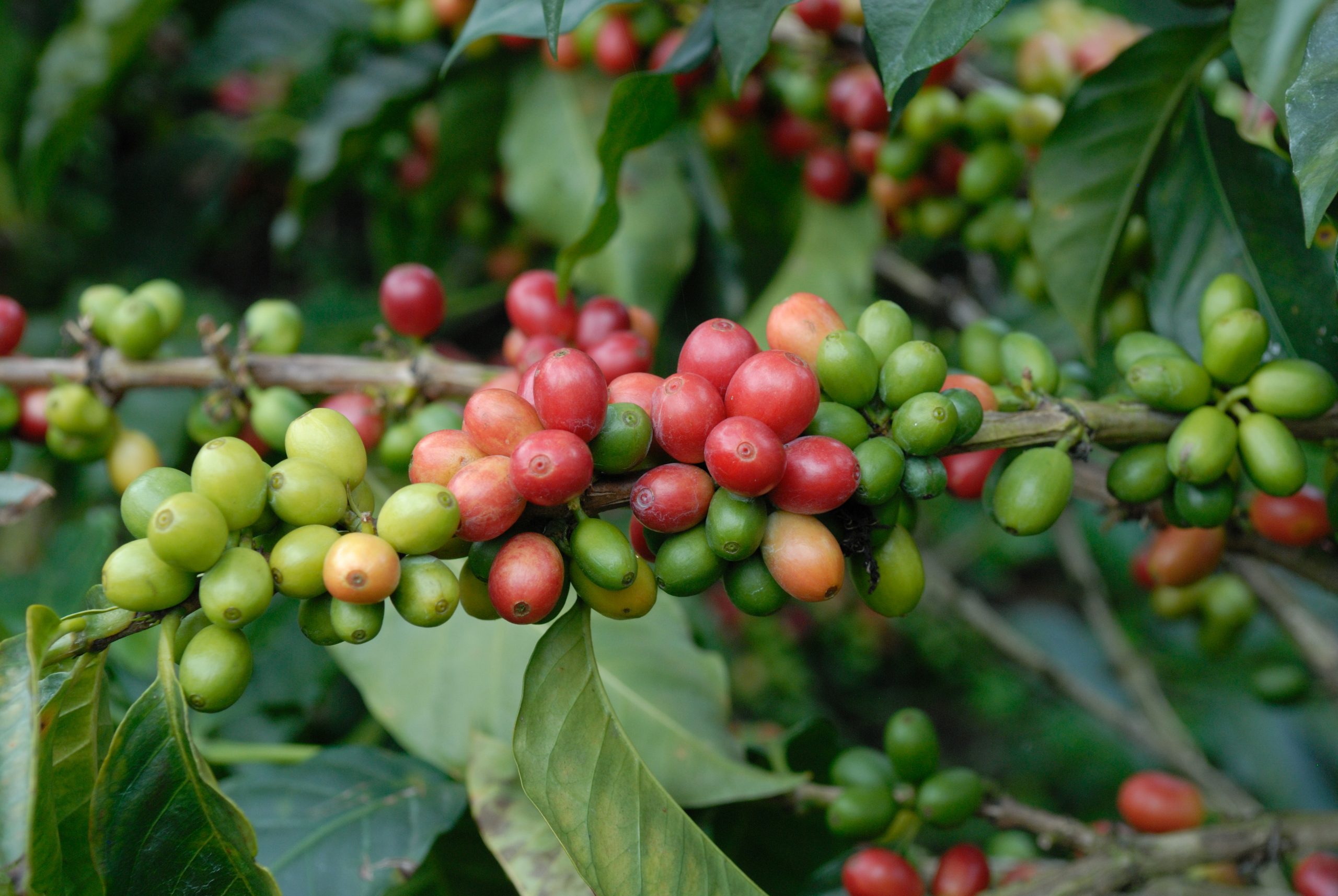
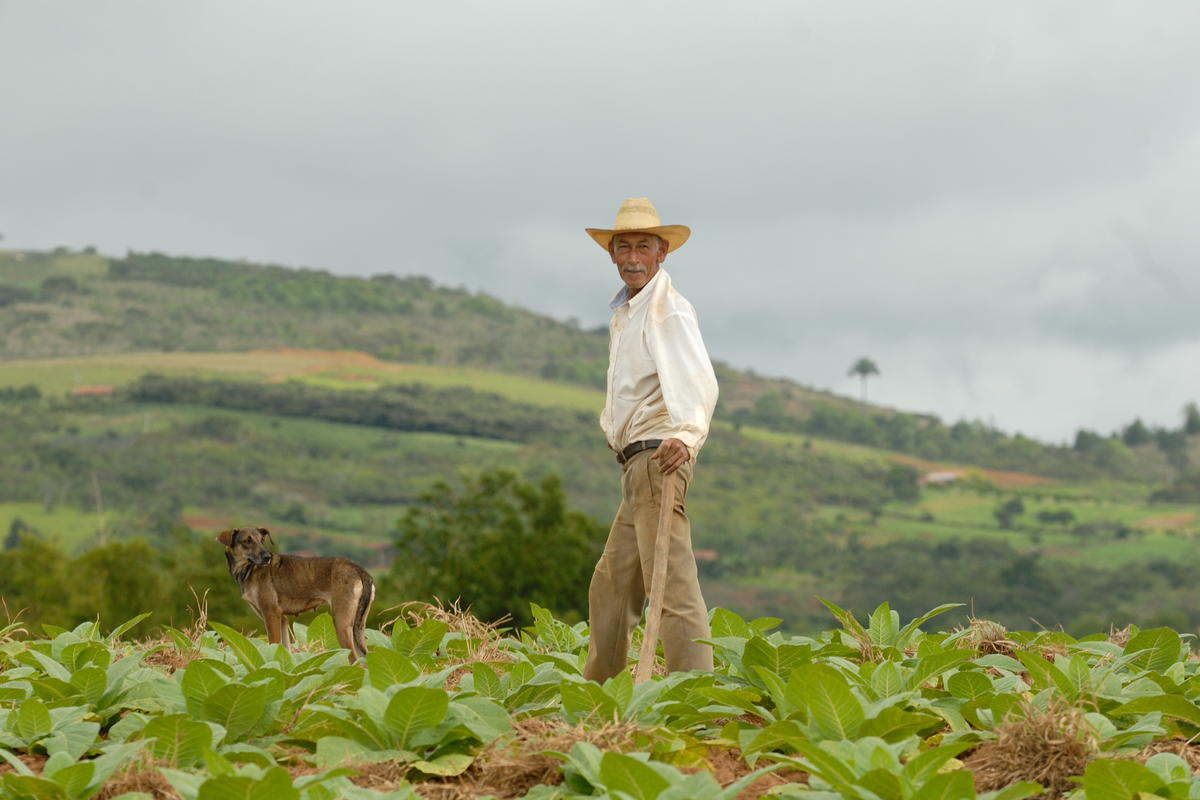
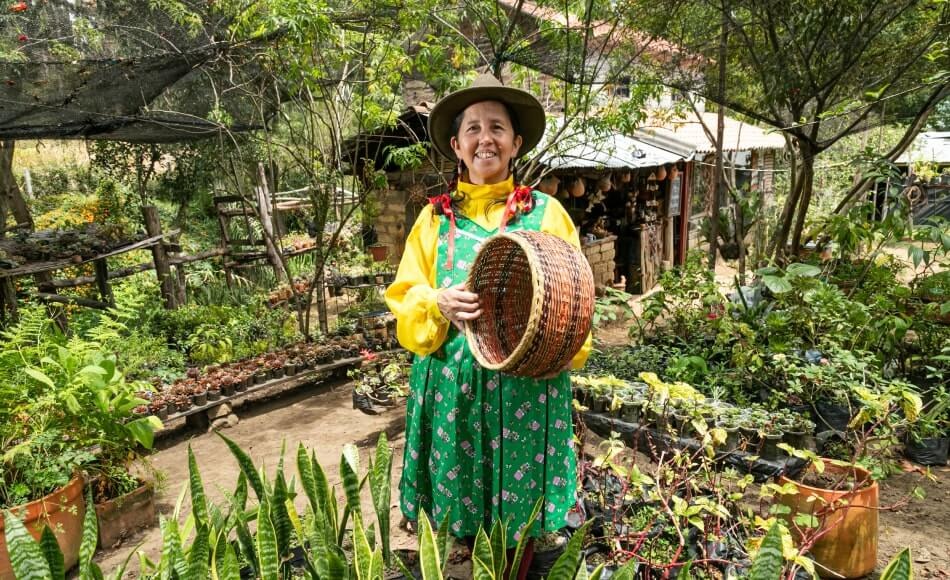
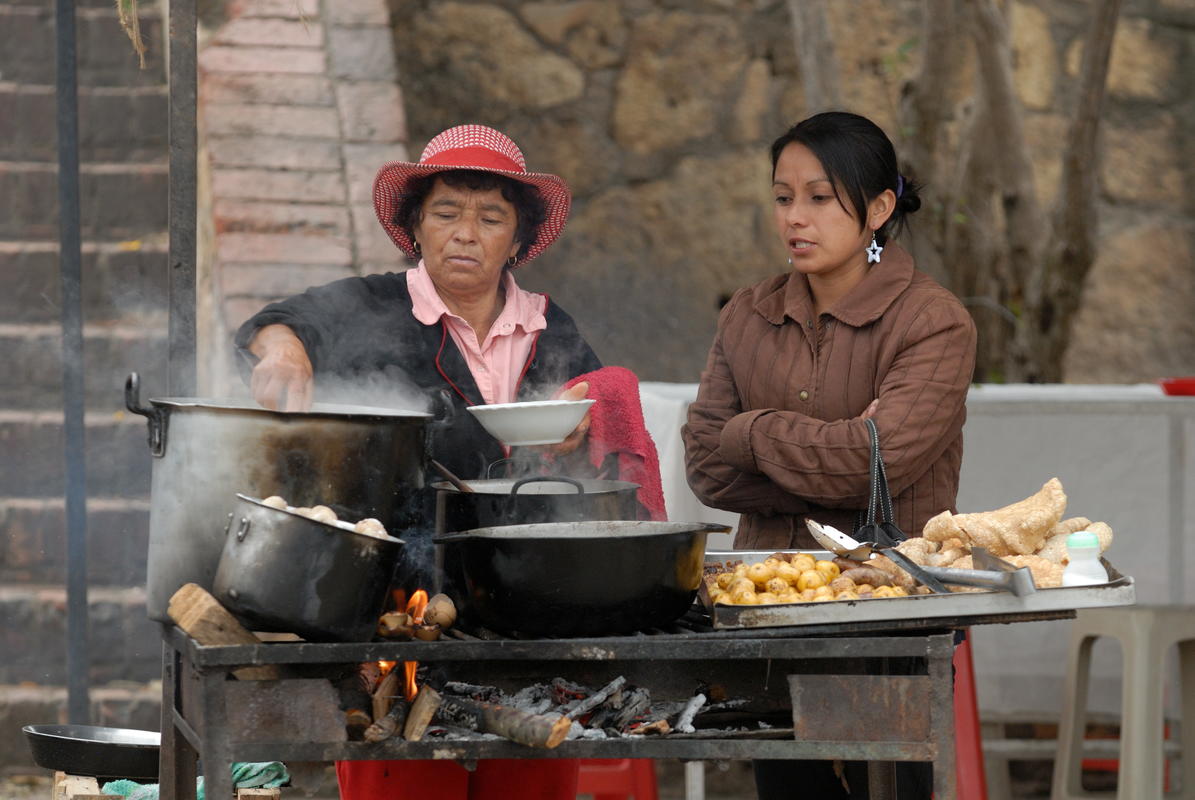
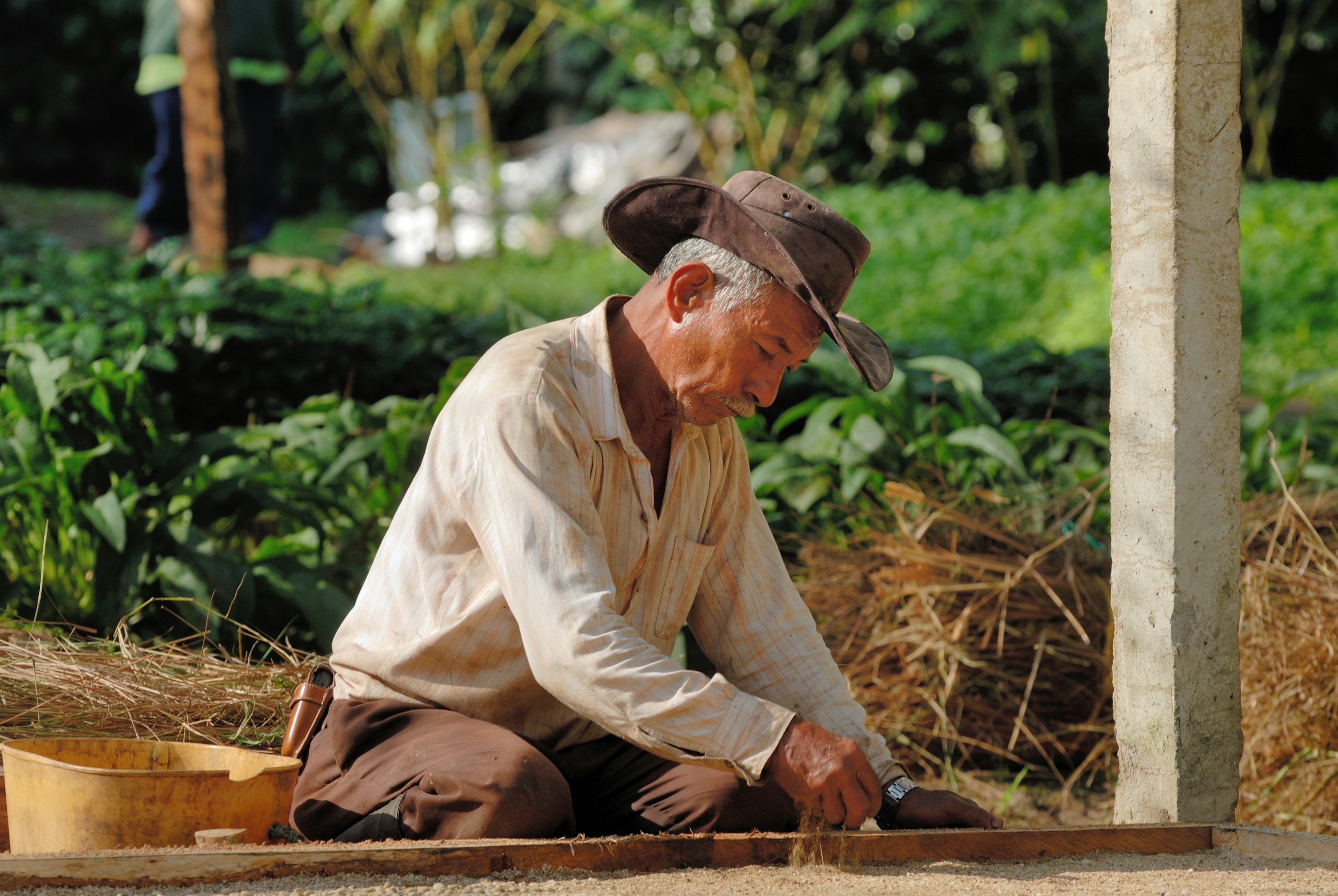
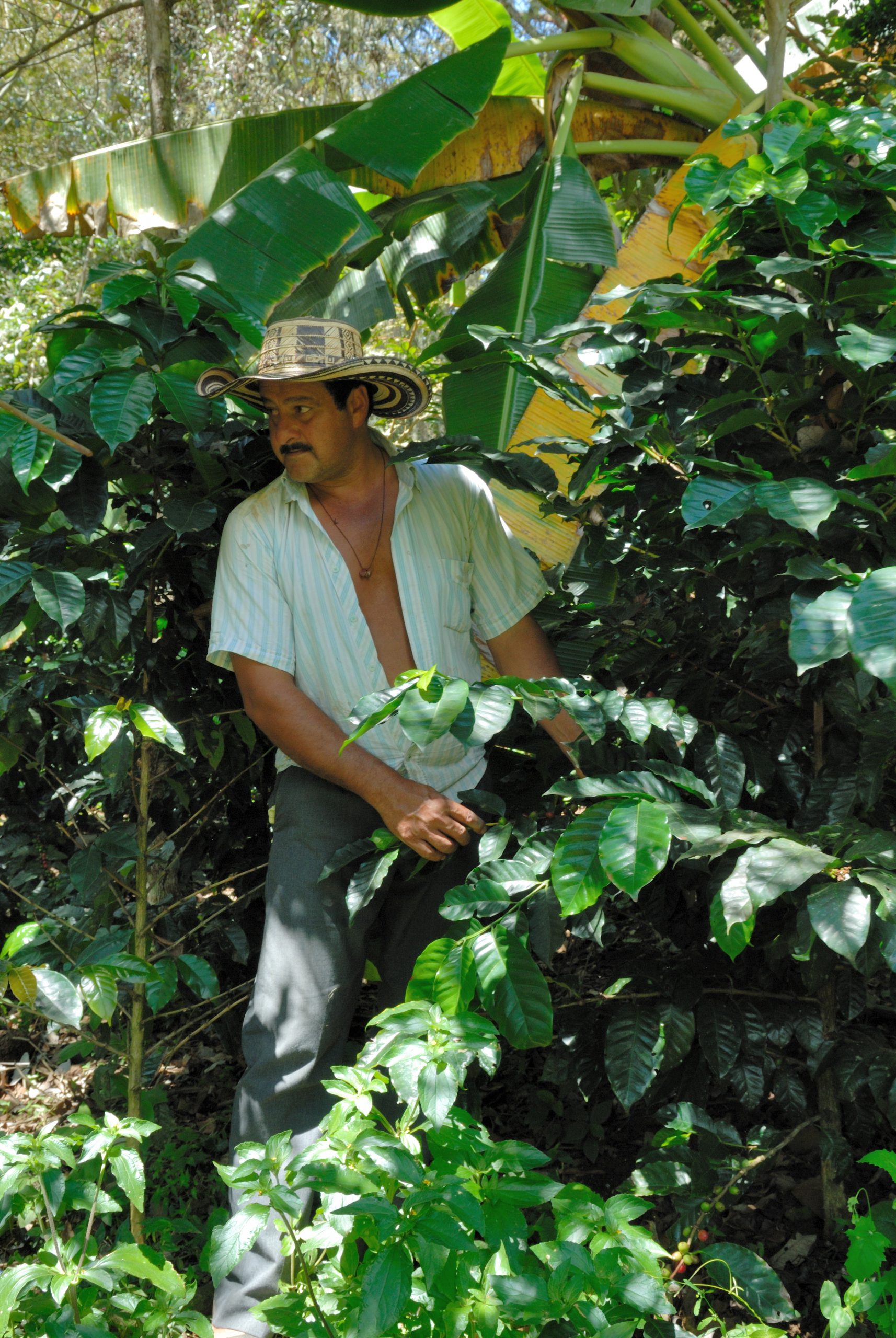
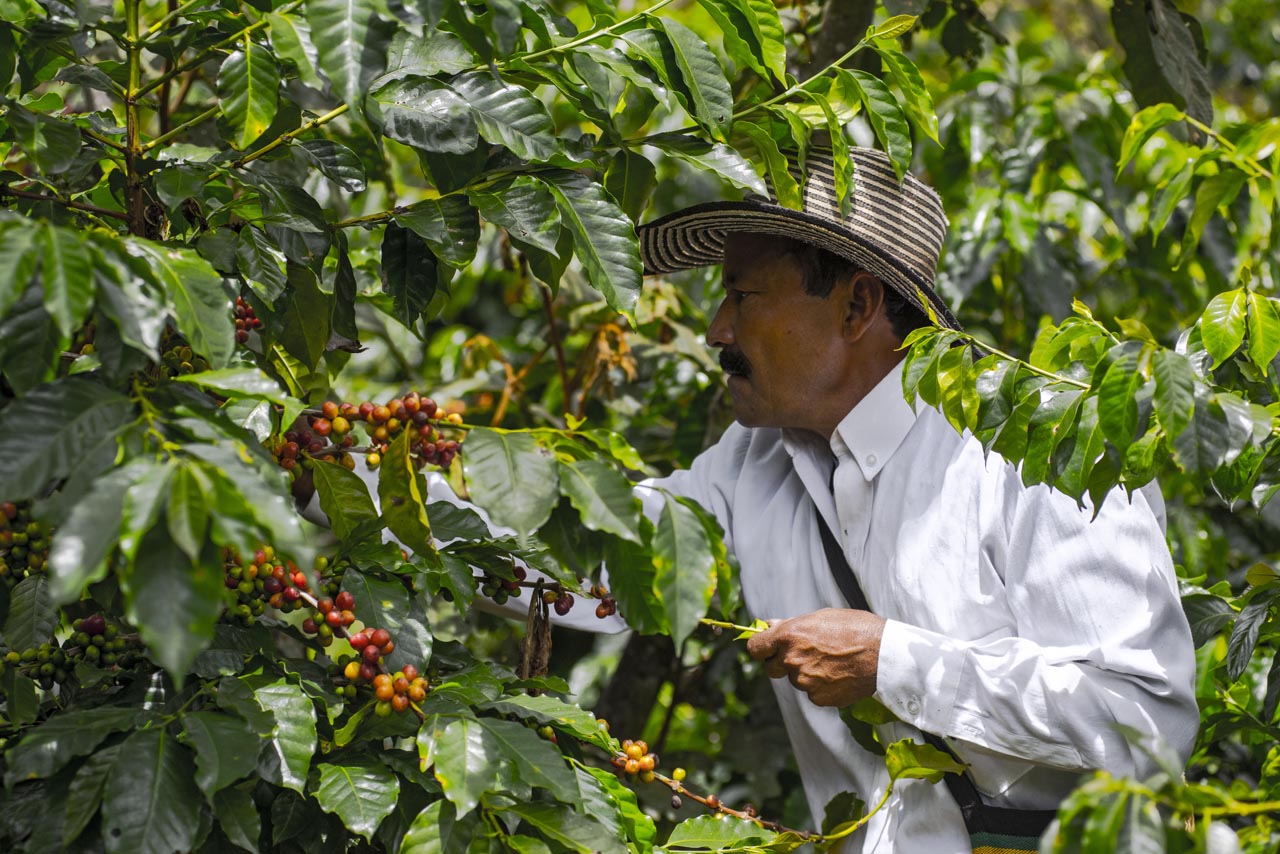
Rich volcanic soil and ideal high-altitude conditions nourish the famous Coffee Triangle. Hand-picked Arabica coffee beans thrive on these steep, verdant slopes. Traditional fincas (coffee farms) dot the hillsides, where generations of coffee growers (cafeteros) maintain rich agricultural traditions and warm mountain hospitality.

Unique Páramo Ecosystems

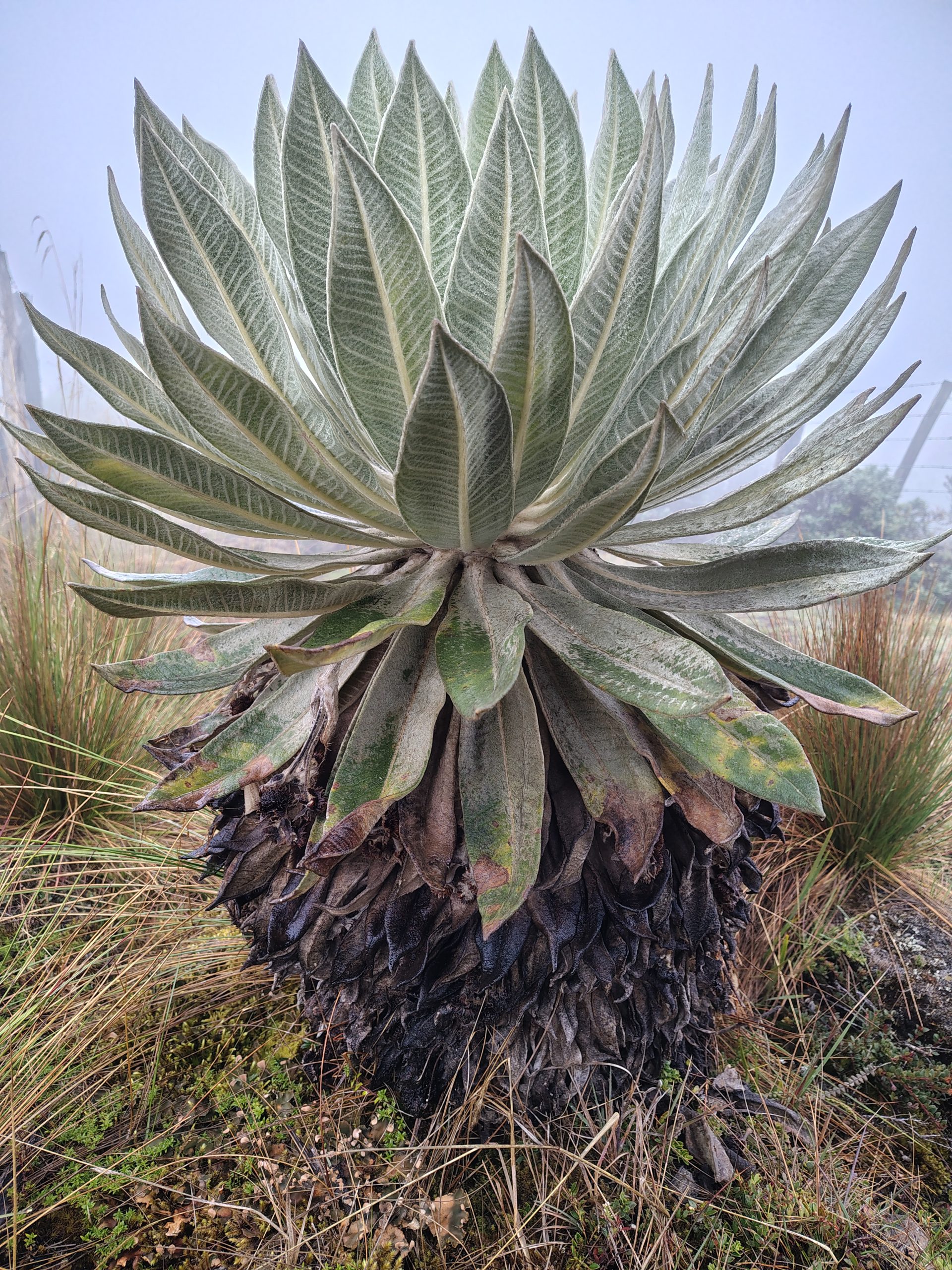
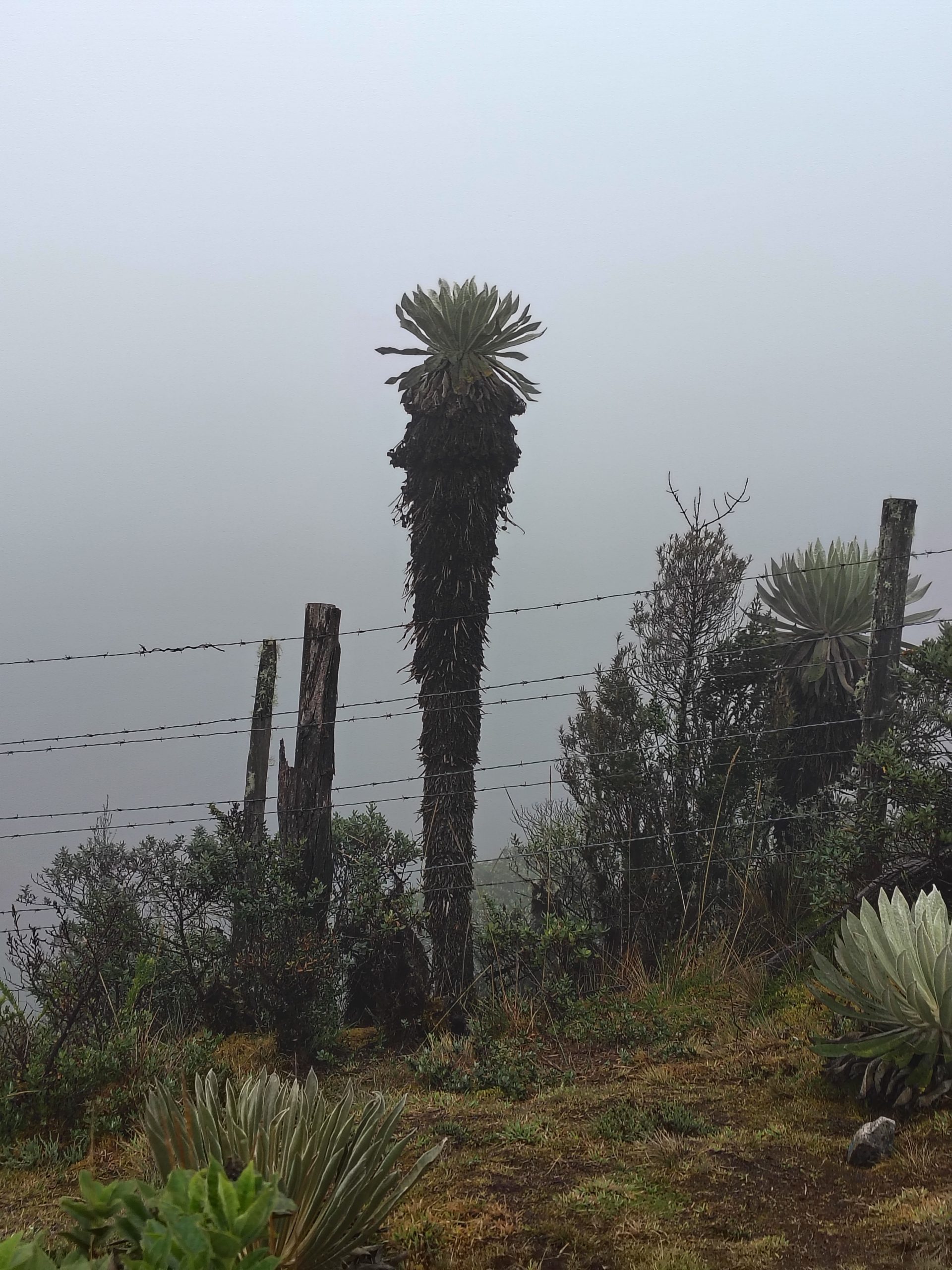
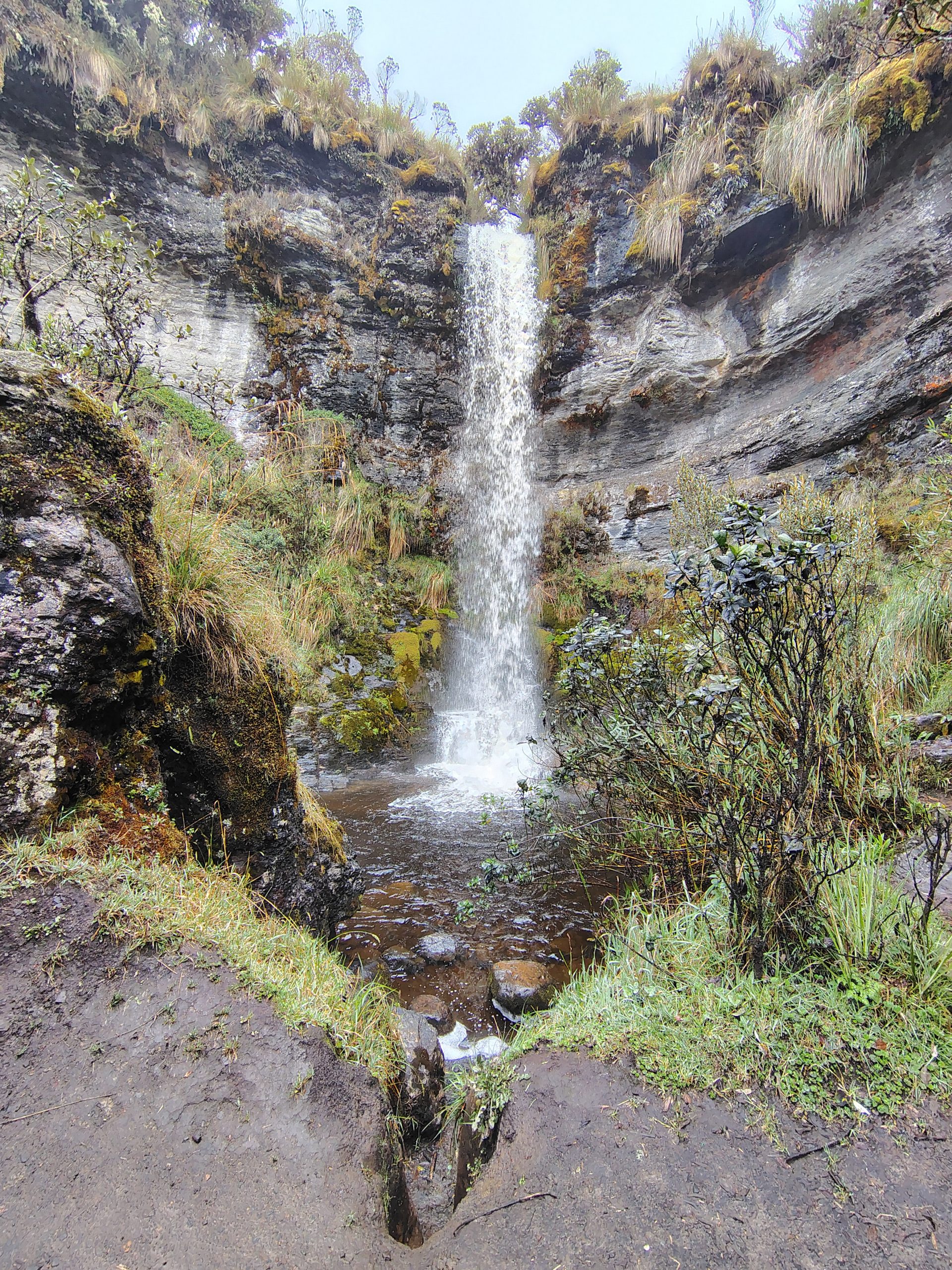
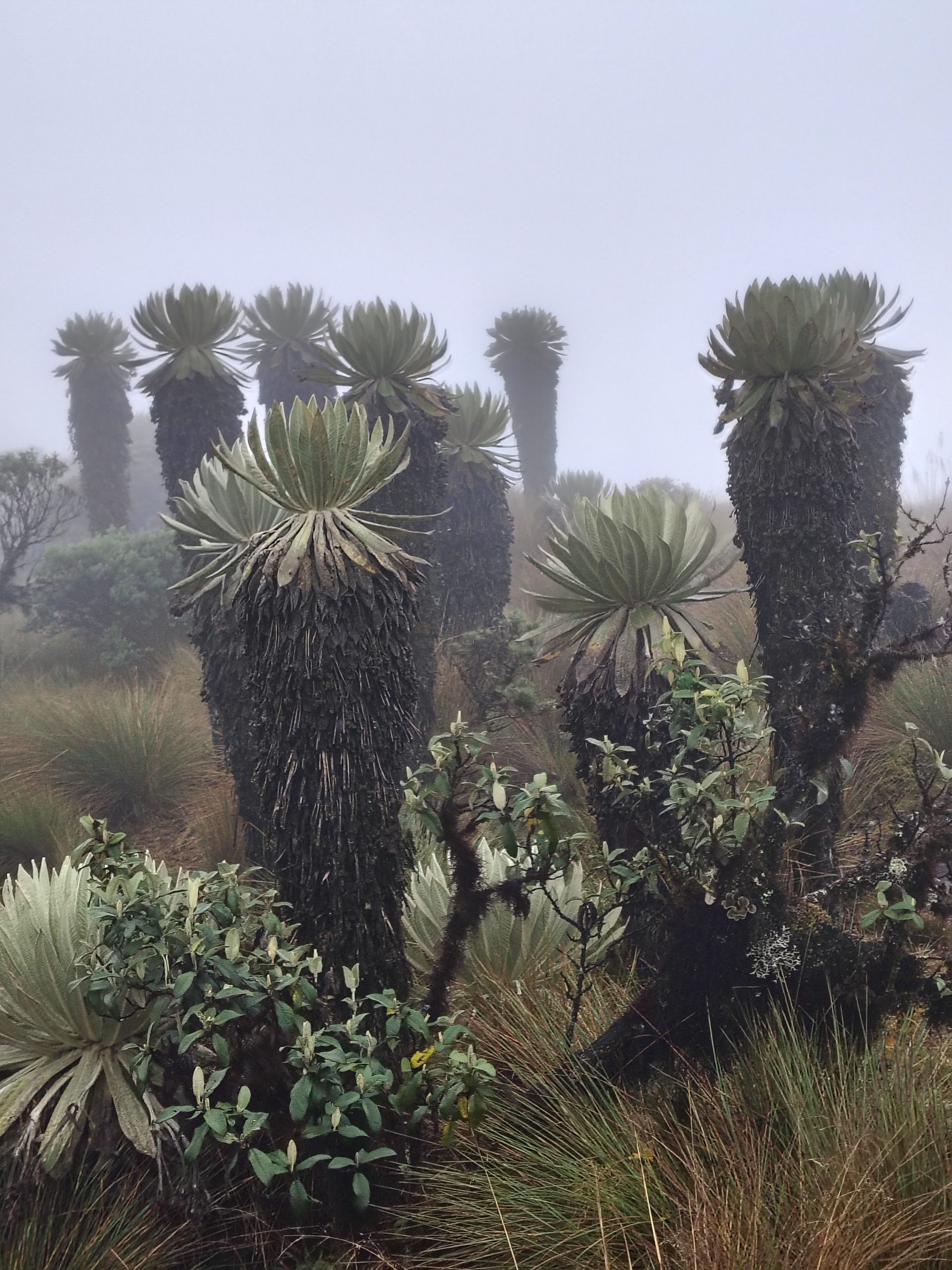
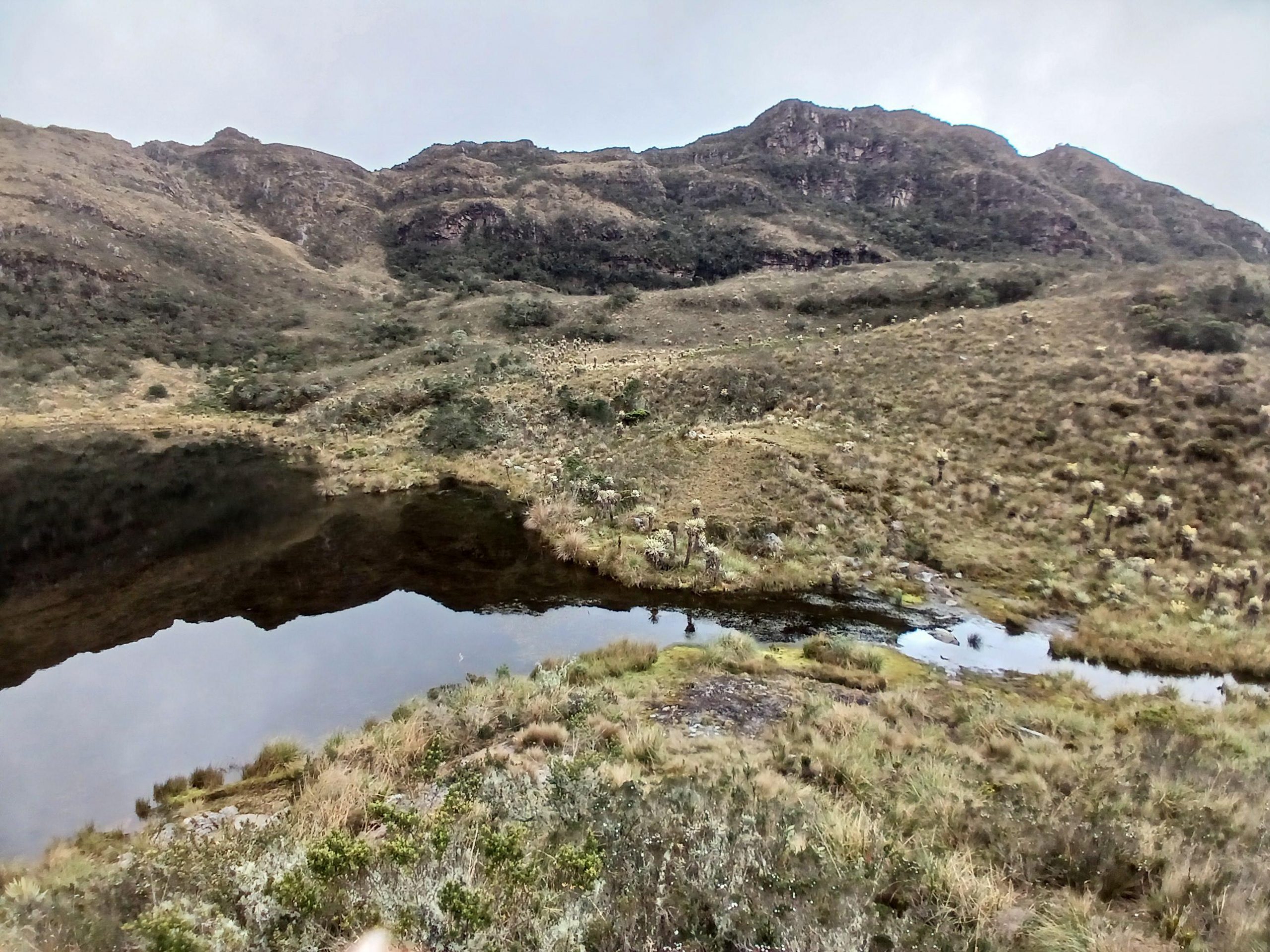
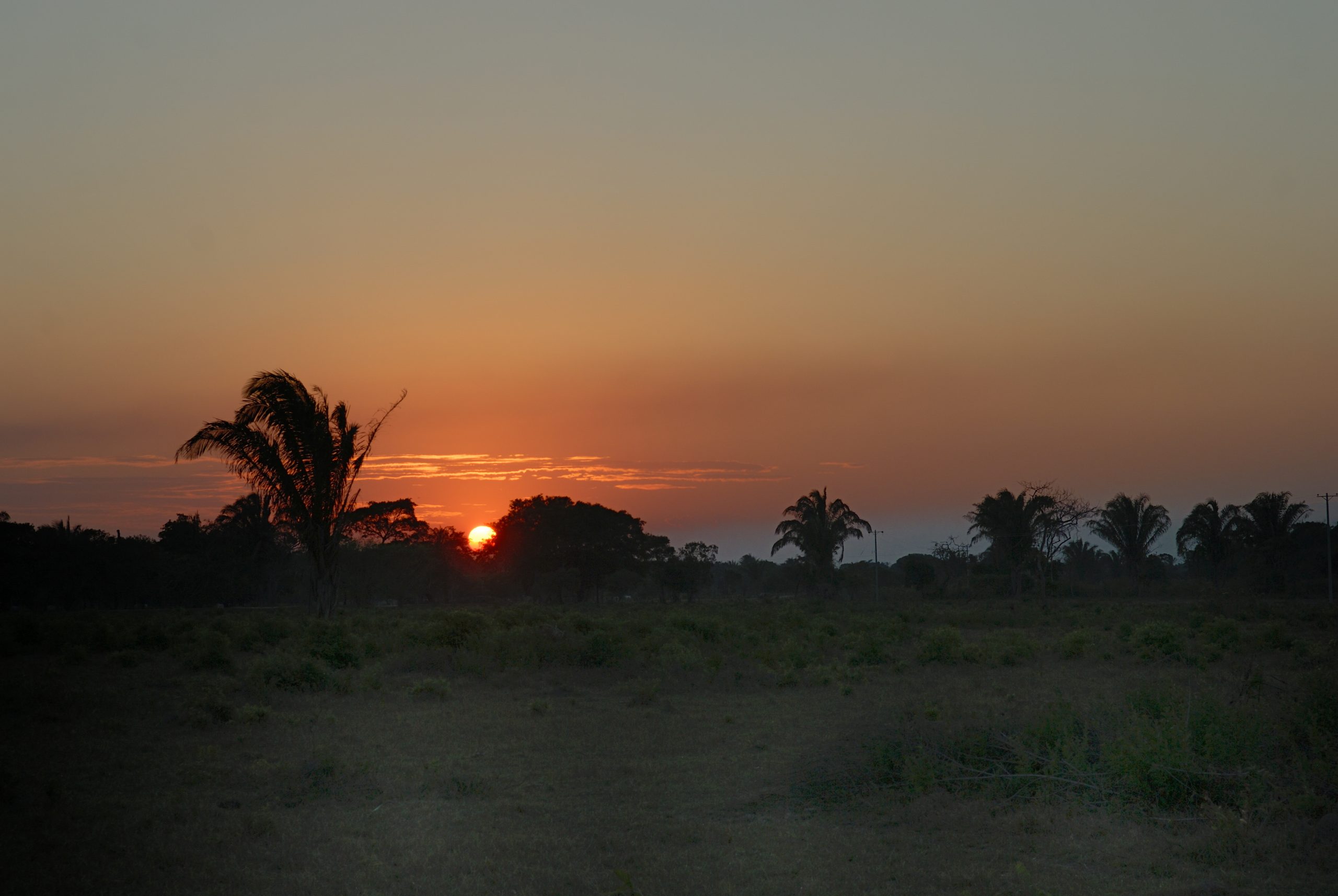
High above the tree line—typically between 3,000 and 4,500 meters above sea level—lie the páramos. These rare, sponge-like Andean wetlands exist almost exclusively in the northern Andes. Fog-shrouded grasslands like Chingaza and Ocetá collect, store, and filter fresh water for millions of people. Towering, woolly frailejón plants cover the landscape, creating a critical sanctuary for spectacled bears, mountain tapirs, and Andean condors.

Read more: Andean Region
Toggle section content visibility

Related Destinations


  • Barichara

    Barichara sits on the eastern edge of the Río Suárez Canyon in Santander. Often regarded as one of Colombia’s most beautiful colonial towns, it combines historic architecture with dramatic mountain landscapes. Its whitewashed houses, red clay roofs, and cobbled streets…

  • Bogotá

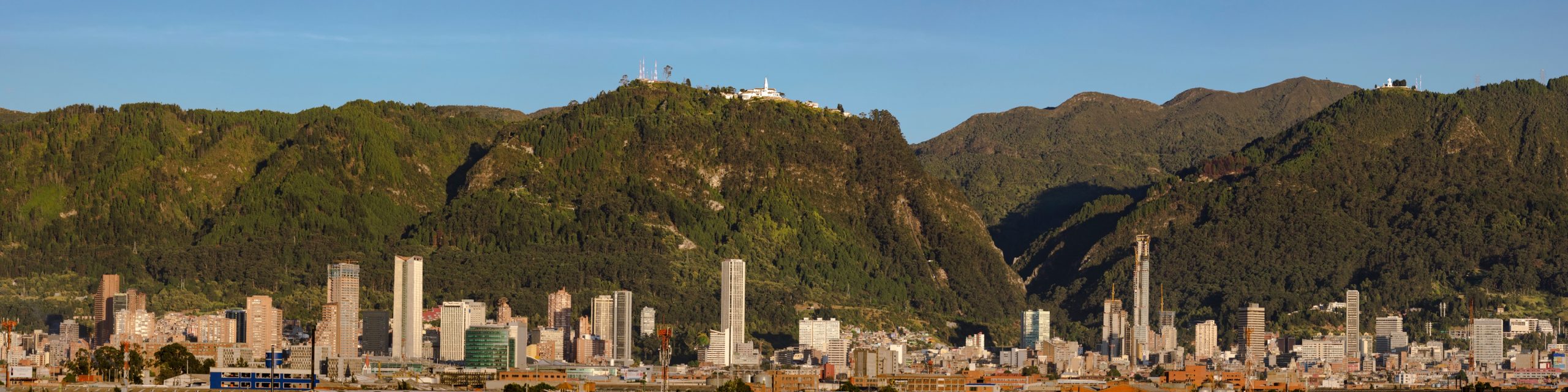
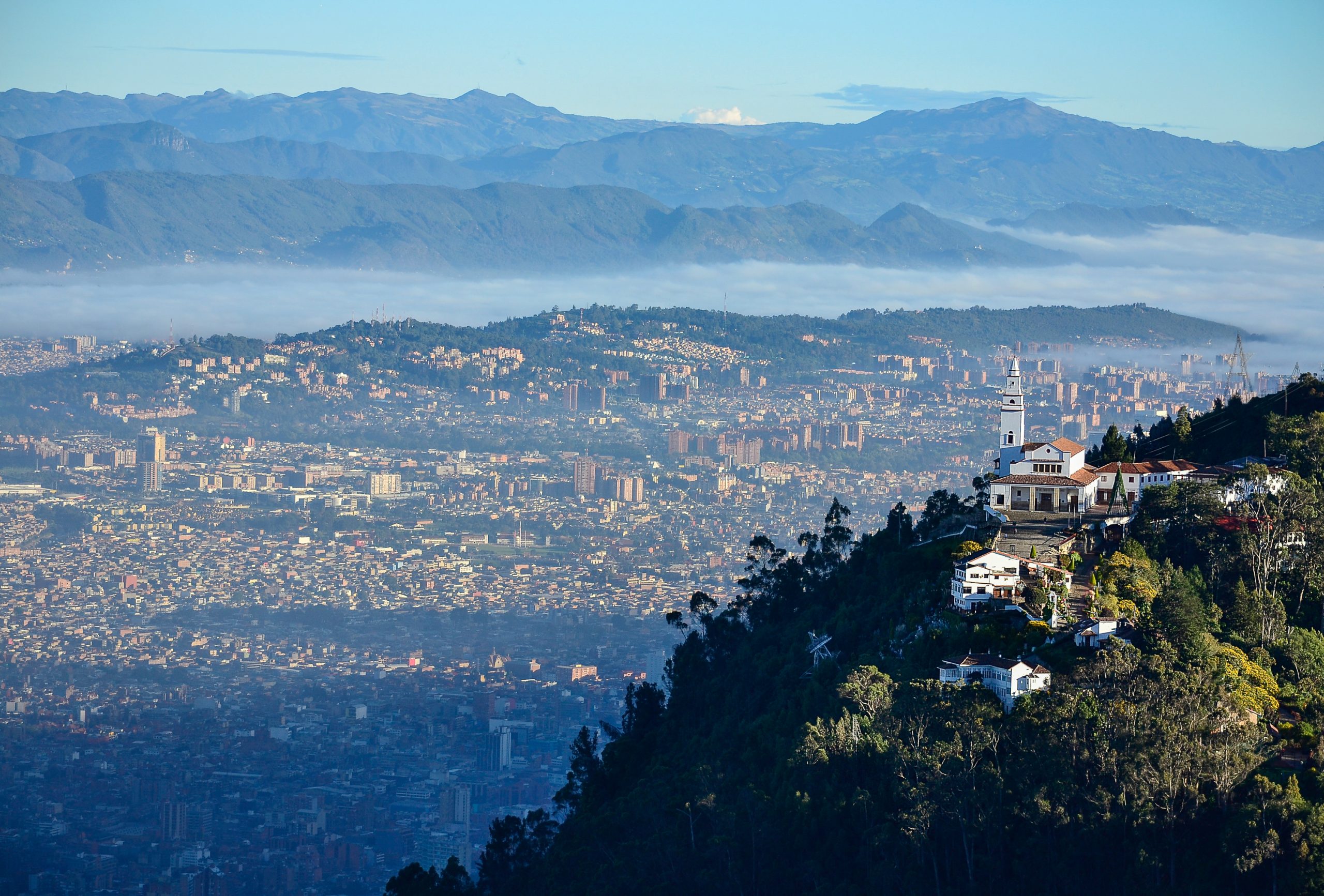
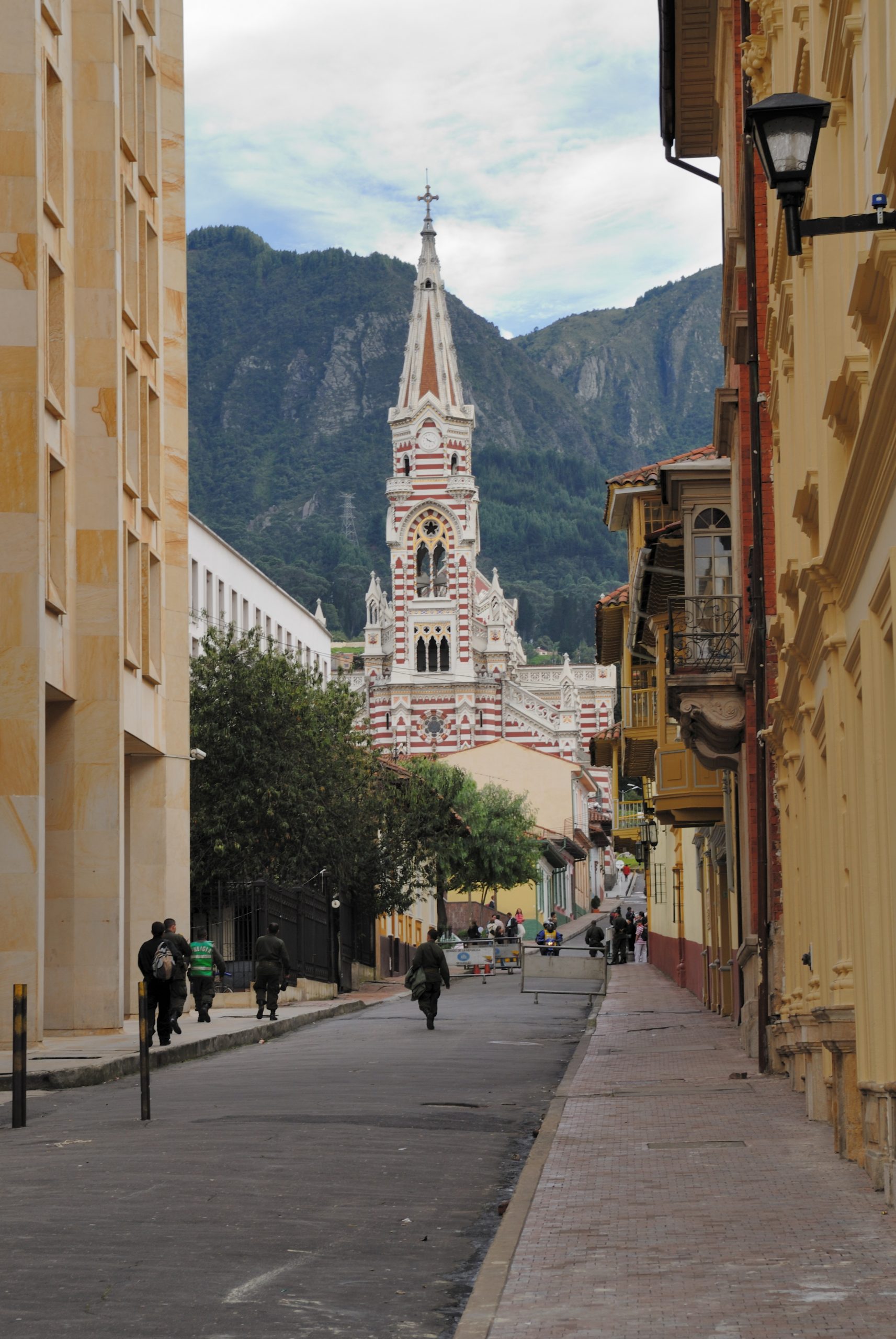
    At 2,600 meters above sea level, Bogotá sits on a high Andean plateau. The lush Eastern Hills surround the city, with the iconic peaks of Monserrate and Guadalupe Hill overlooking the capital. As Colombia’s cultural and political heart, Bogotá combines…

  • Medellín

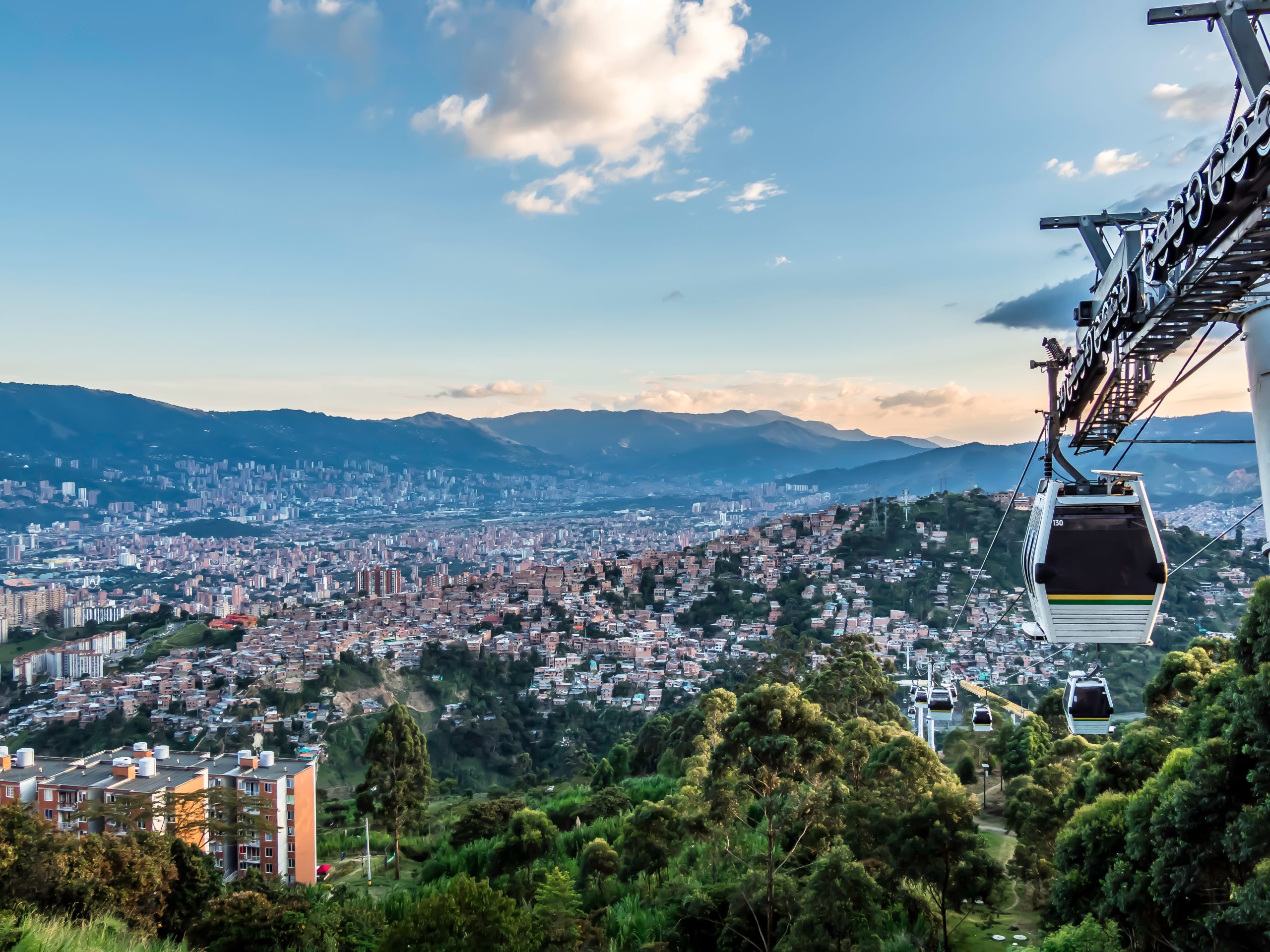
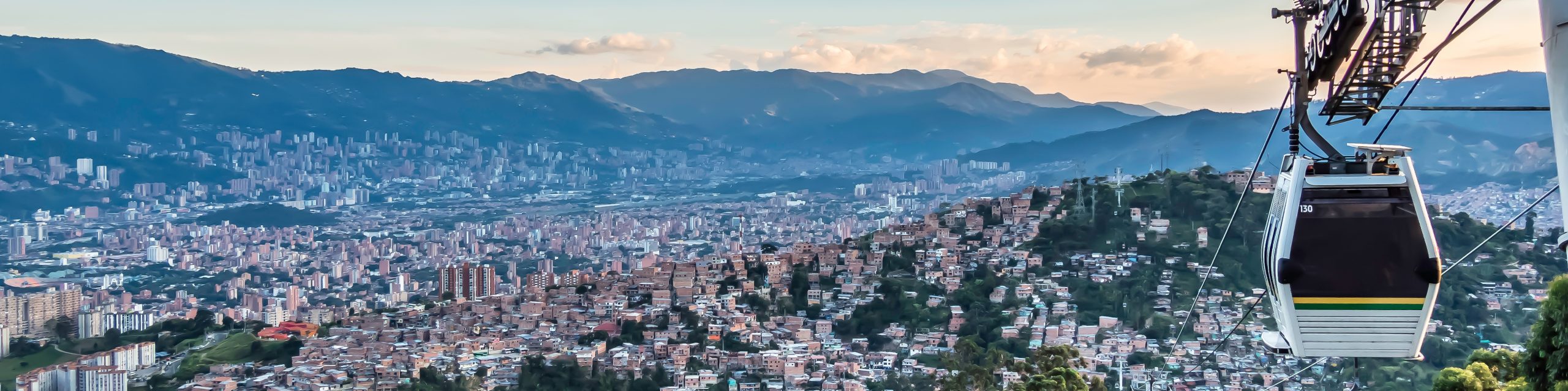
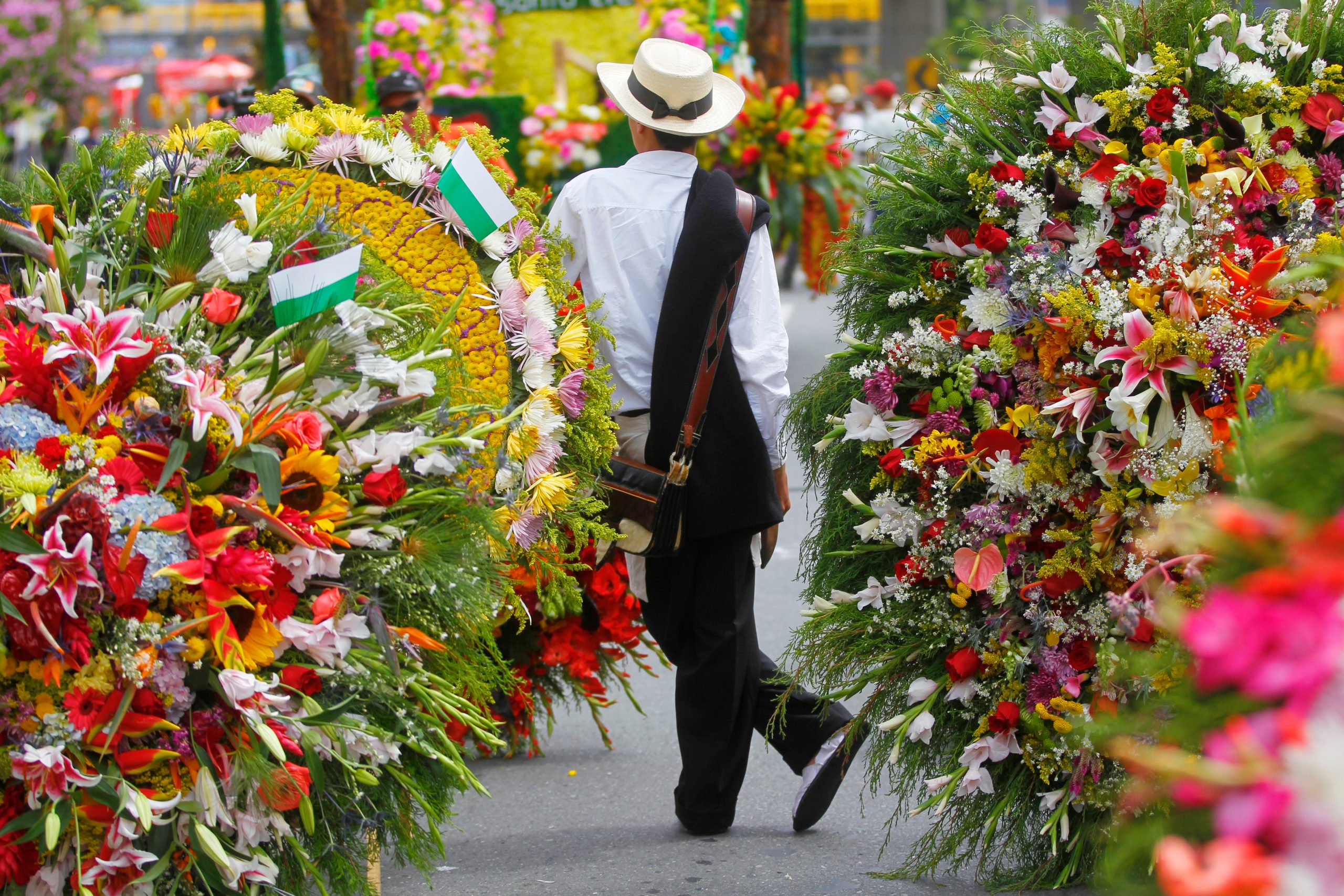
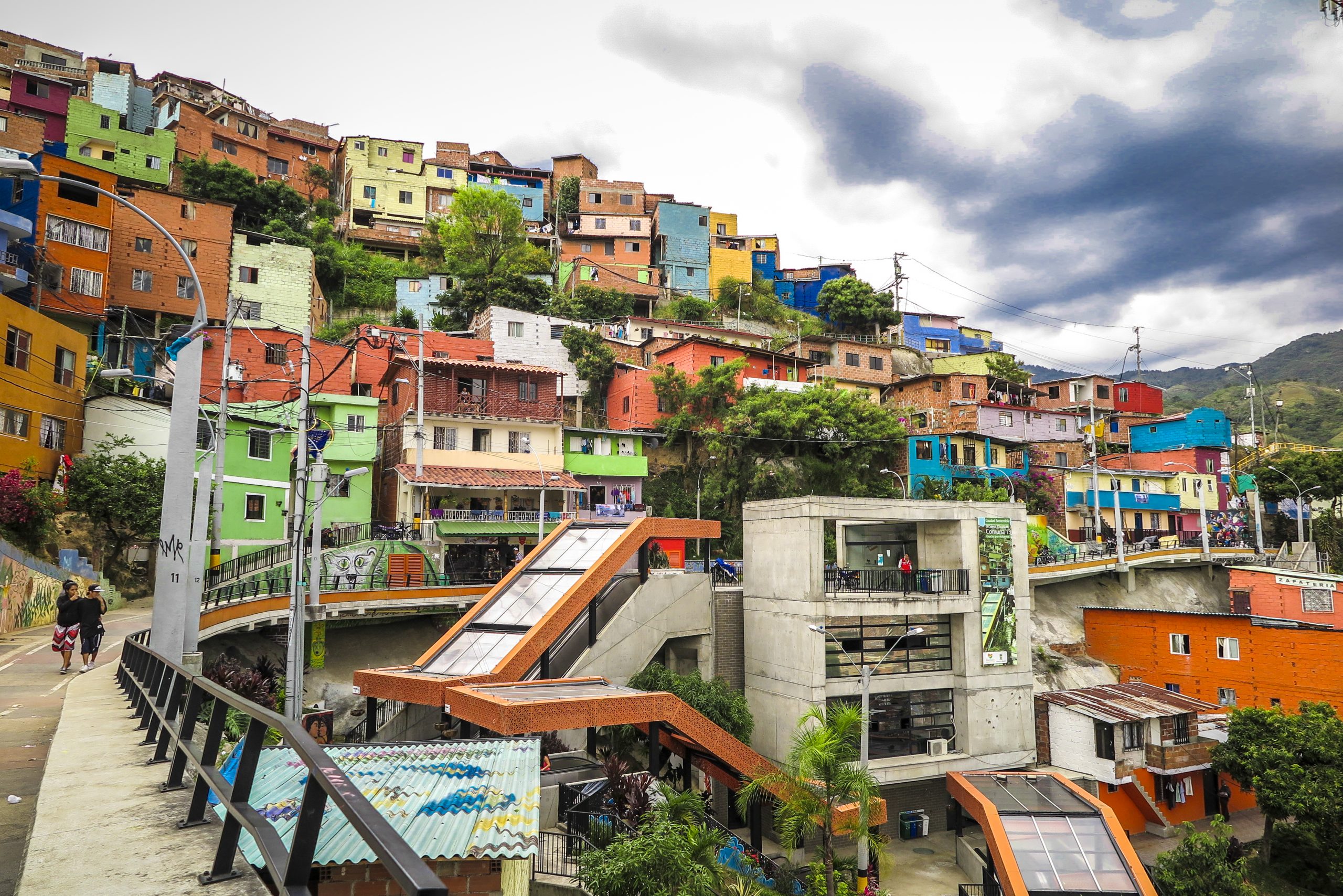
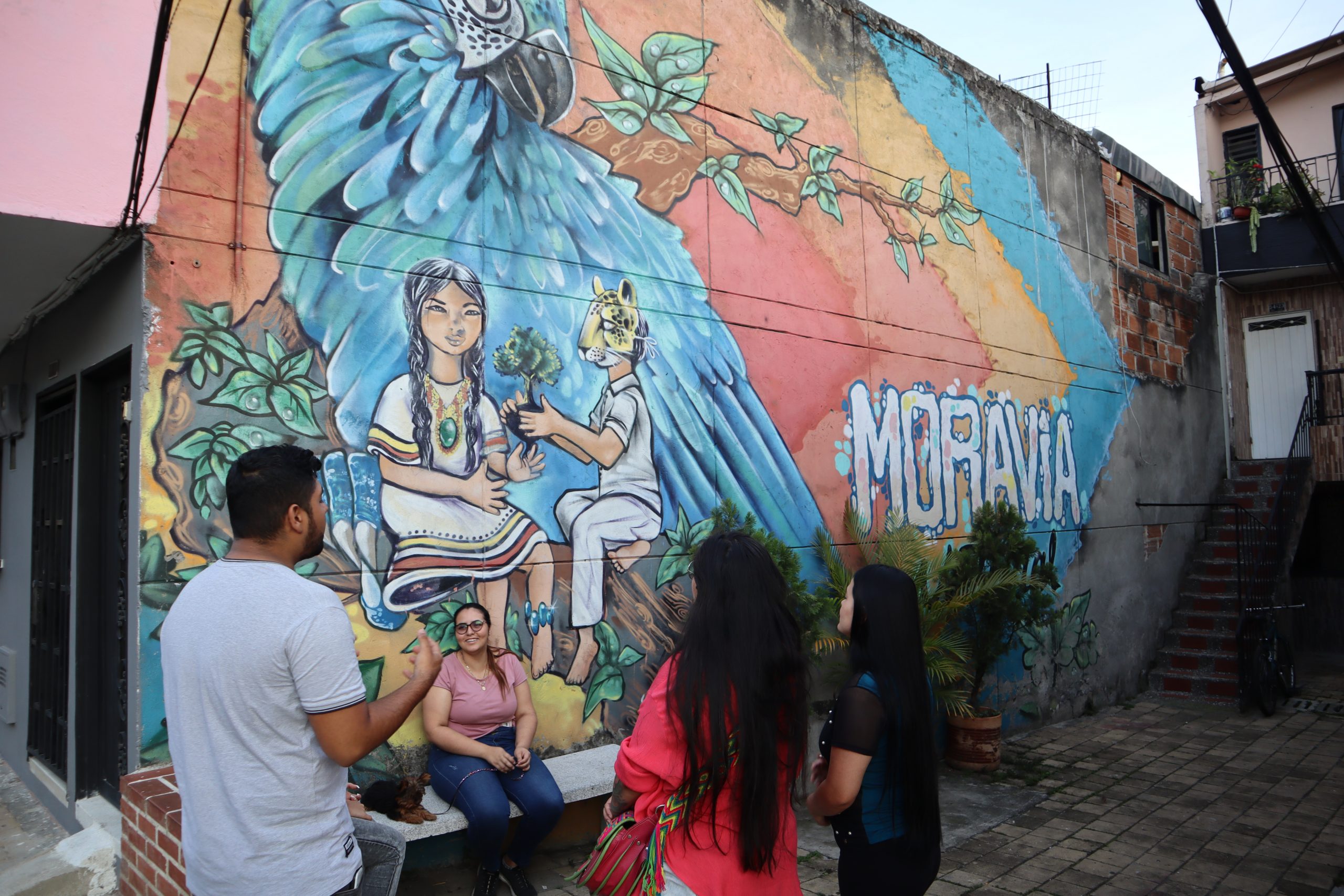
    Discover Medellín, the “City of Eternal Spring,” known for its innovative urban transformation, vibrant culture, street art, and year-round mild climate. Explore Comuna 13, Plaza Botero, the city’s famous cable cars, and the colorful Feria de las Flores.

  • Villa de Leyva

    Villa de Leyva is said to be one of the most charming towns in Colombia, with its colonial architecture, cobbled streets, whitewashed buildings, and temperate climate. Located in the department of Boyacá Colombia, and three hours by car from the…

  • Guatapé

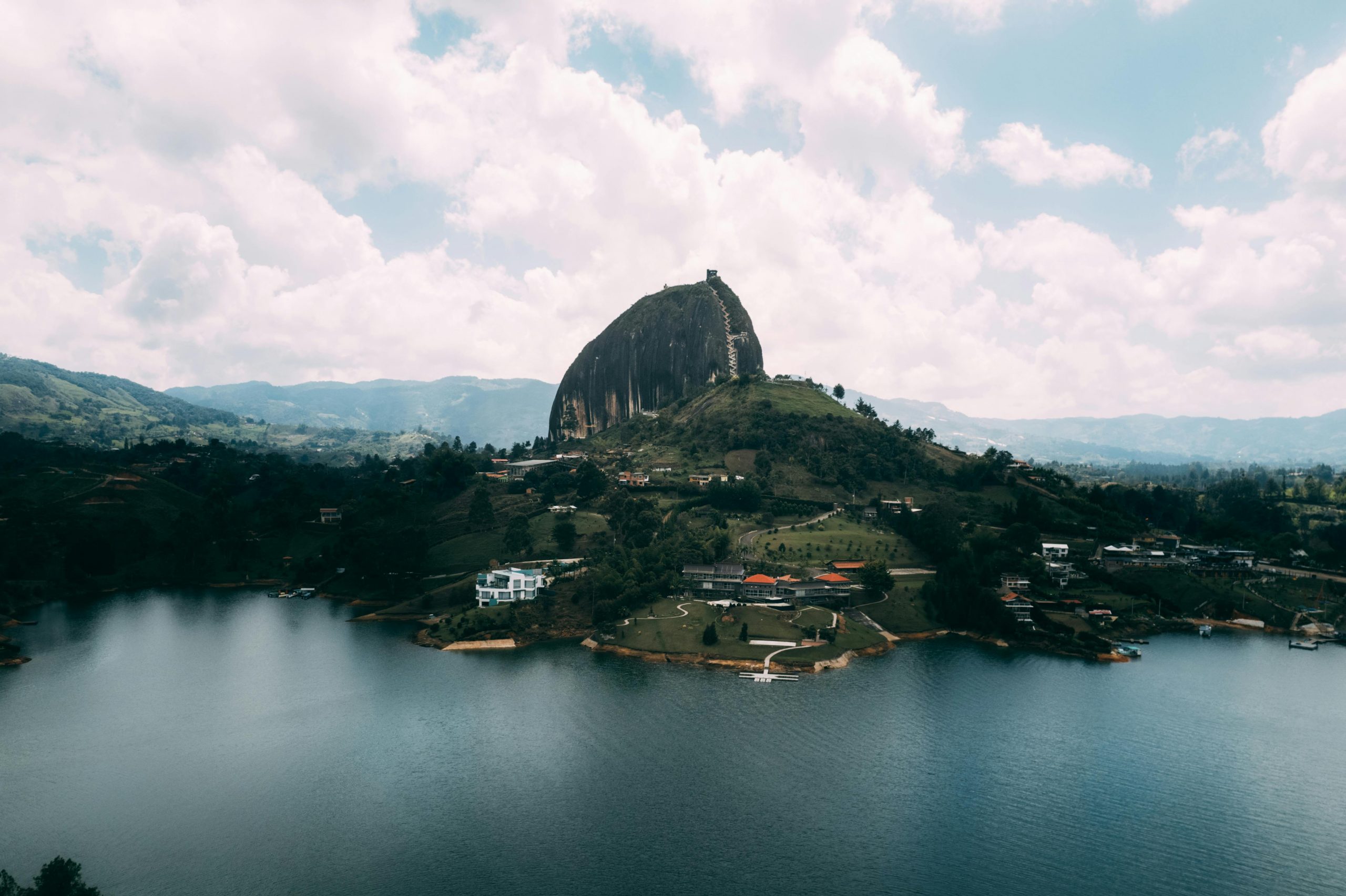
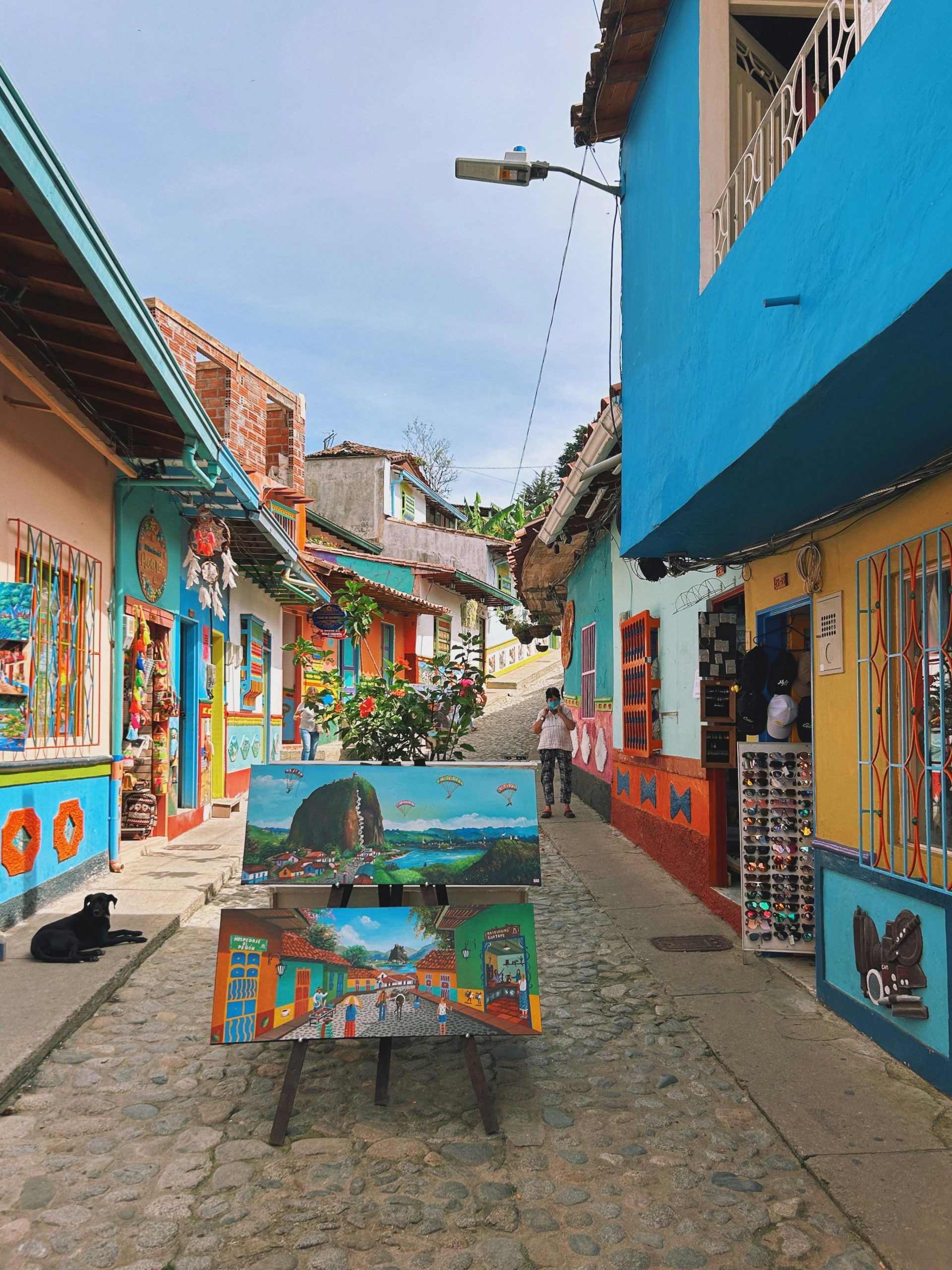
    Strolling through the cobblestone streets of Guatapé, in Colombia’s Antioquia region, feels like stepping into a vividly painted storybook. Surrounded by rolling green hills and shimmering lakes, this charming village captivates visitors with its colorful zócalos—decorative reliefs that adorn the…

  • Tamesis

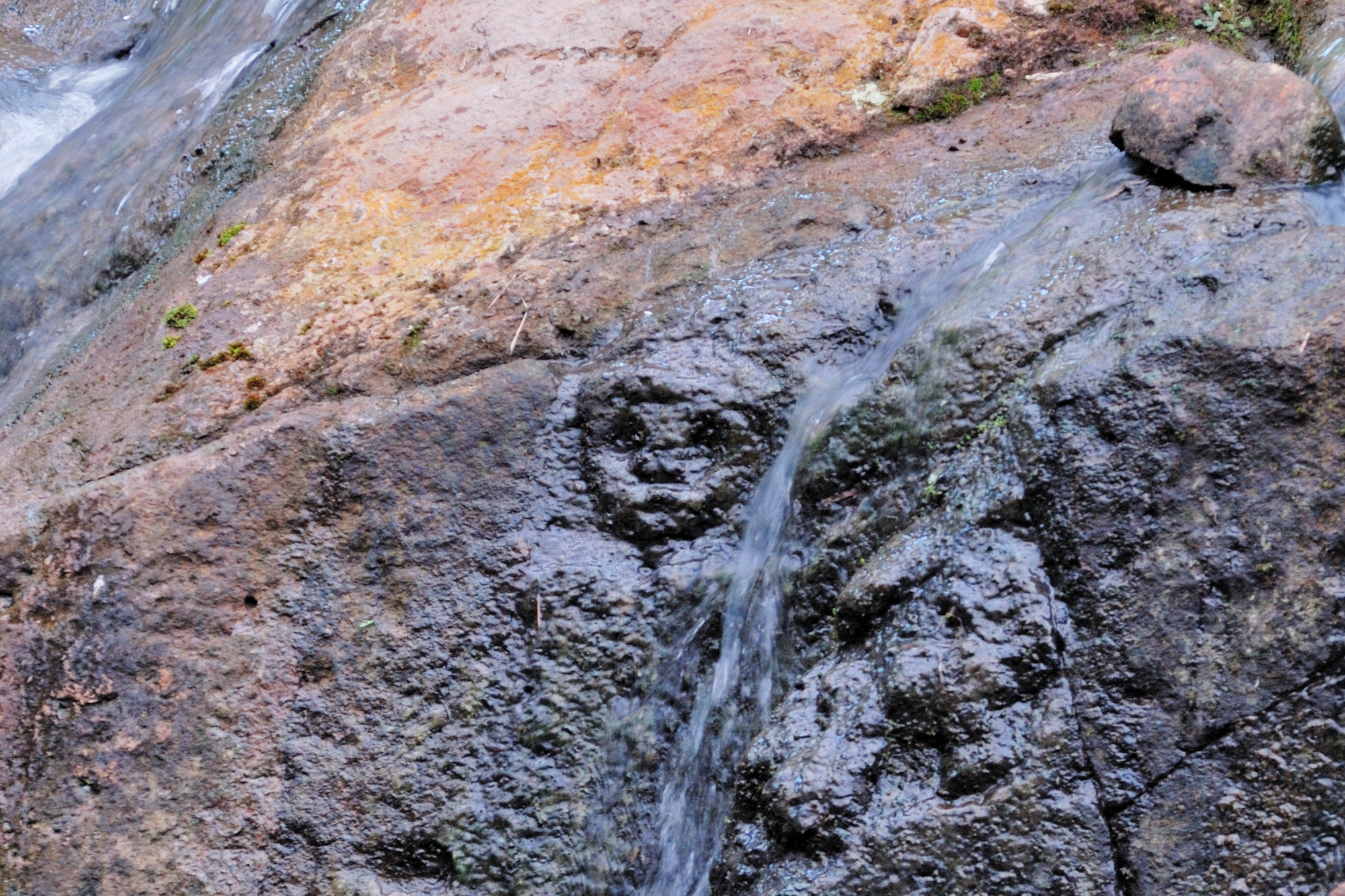
    Discover Támesis, a peaceful town in southern Antioquia known for colorful streets, spectacular mountain landscapes, waterfalls, rich biodiversity, and ancient pre-Columbian petroglyphs.

  • Jericó

    Discover Jericó, a charming heritage town in Southwestern Antioquia, known for colorful streets, coffee culture, traditional crafts, and spectacular mountain landscapes overlooking the Cauca River valley.

  • Honda

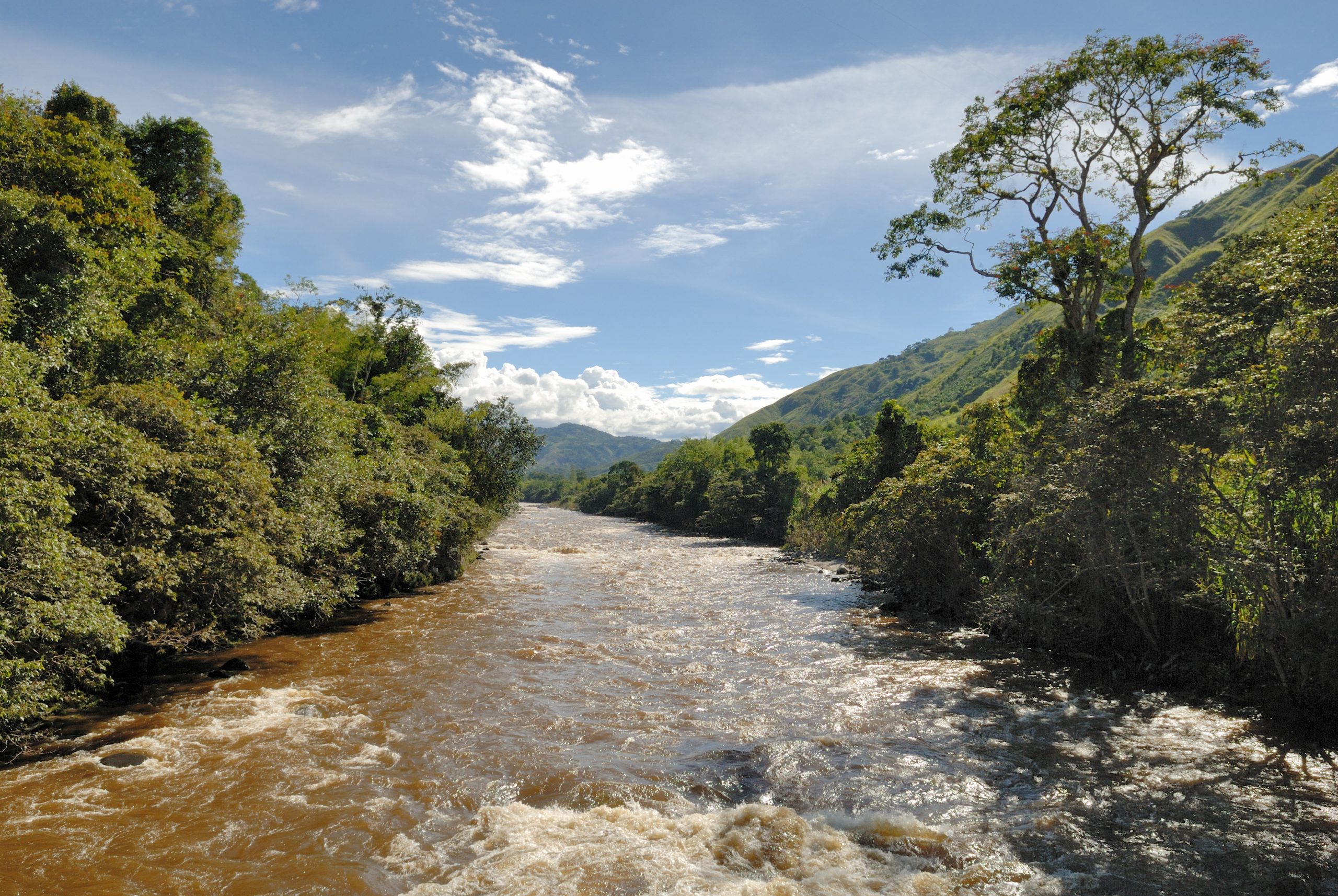
    Honda is a historic town on the banks of the Magdalena River in Tolima. For centuries, it served as a gateway between the Caribbean coast and Colombia’s interior. During the colonial period, ships carried European goods upriver to Honda. From…

  • Barrancabermeja

    Situated on the Magdalena River in the northern Santander Department of Colombia, Barrancabermeja is a heavily industrialised city that nevertheless boasts a vibrant nightlife scene and some great tourist attractions. Known as the ‘Oil Capital of Colombia’, the city is…

  • Tibasosa

    Discover Tibasosa, a peaceful colonial town in Boyacá known for its feijoa fruit, thermal springs, artisan traditions, and scenic Andean countryside.

  • The Coffee Triangle

    Colombia is known to produce some of the world’s best coffee – in a picturesque mountain region called the coffee zone. Encompassing the Caldas, Risaralda and Quindío regions, this area is also called the coffee triangle. This region has embraced tourism…

  • Guasca

    Guasca is a charming town located just 55 kilometres from Bogotá, renowned for its natural beauty and ecotourism. It serves as the gateway to Chingaza National Natural Park, where visitors can discover scenic hiking trails, pristine lakes, and diverse wildlife.…

  • San Vicente de Chucurí

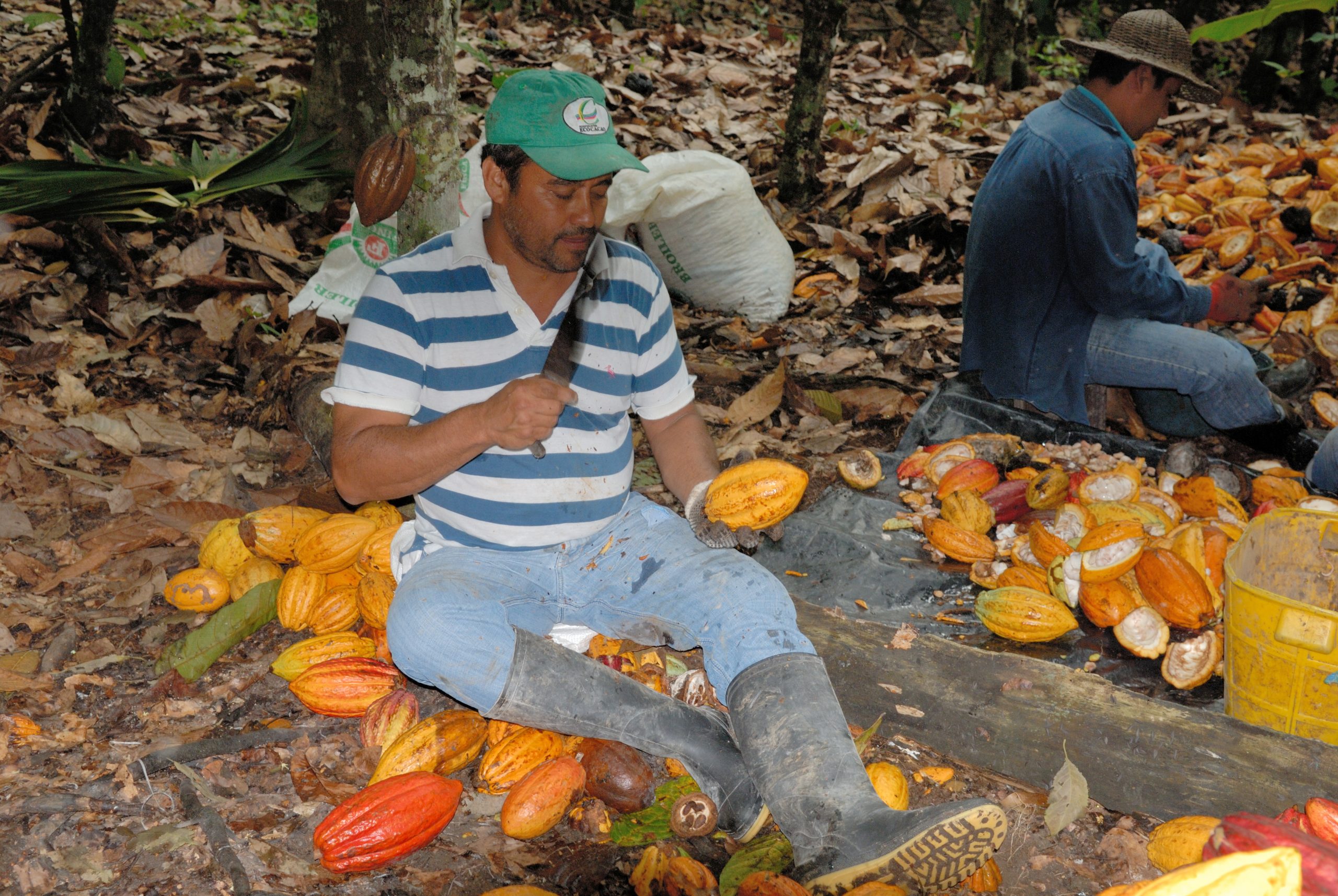
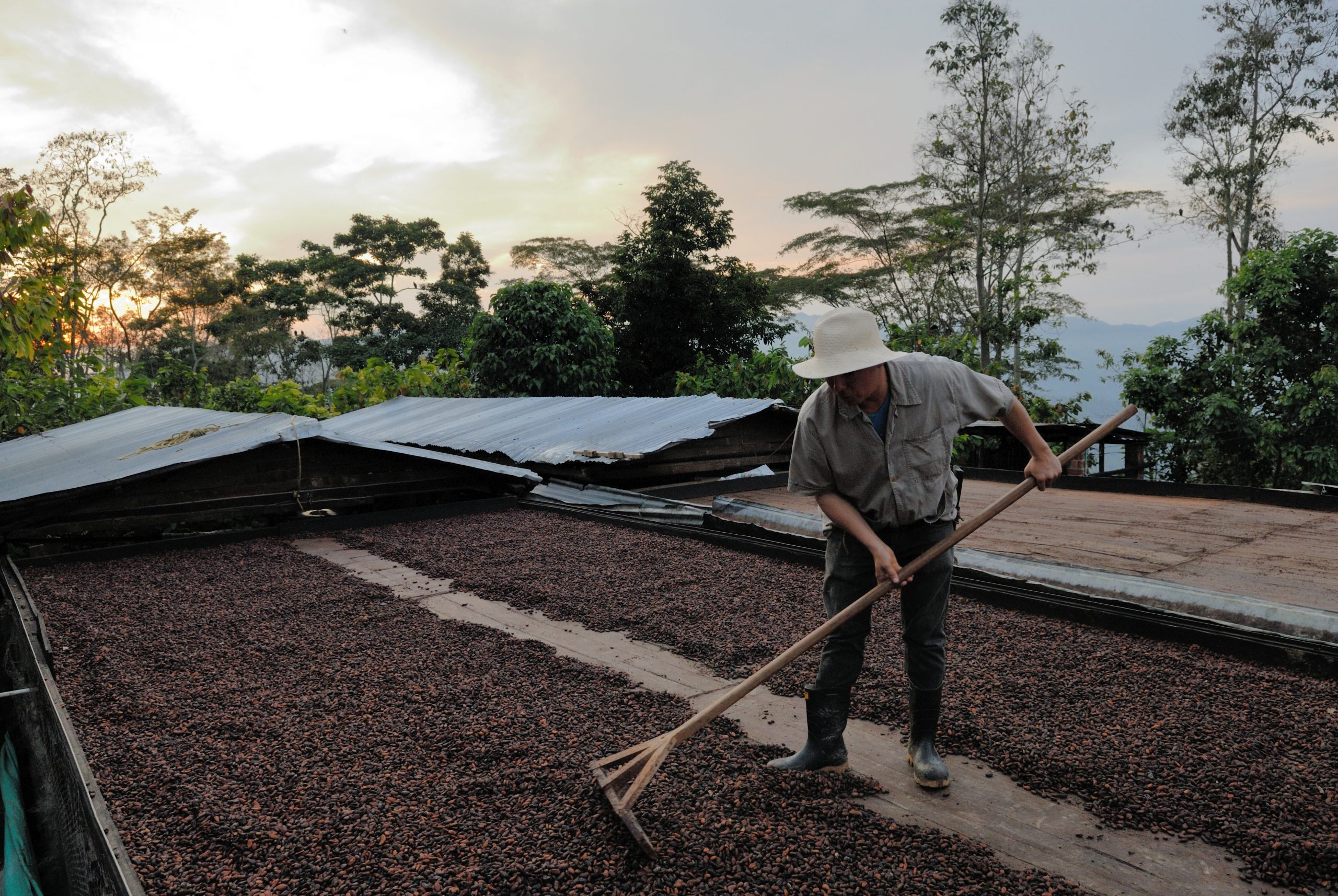
    San Vicente de Chucurí sits in the lush mountains of Santander. Tropical forests, fertile valleys, and rugged landscapes surround the town. It is especially known for its strong cacao tradition and rural culture. Local farmers grow high-quality cacao across the…

  • Reserva Natural Cañon Del Río Claro

    The Reserva Natural Cañón Del Río Claro is a spectacular protected area in Antioquia, known for its crystal-clear emerald waters, dramatic marble canyon, and lush tropical forests. The Río Claro runs through the reserve, creating natural pools, waterfalls, and striking…

  • Jardín

    Considered the most beautiful town in the province of Antioquia, Jardin is best known for its colonial charm and its picturesque streets lined with colorful heritage houses decorated with flower boxes, carved balconies, and multi-colored shutters. Visitors can view local…
  • Placeholder image

    Set to the west of the Cauca River in the Cauca River Valley and fringed by the Farallones de Cali mountains, the town of Santiago de Cali, also referred to as Cali, serves as the capital of the Valle del…

  • Popayán

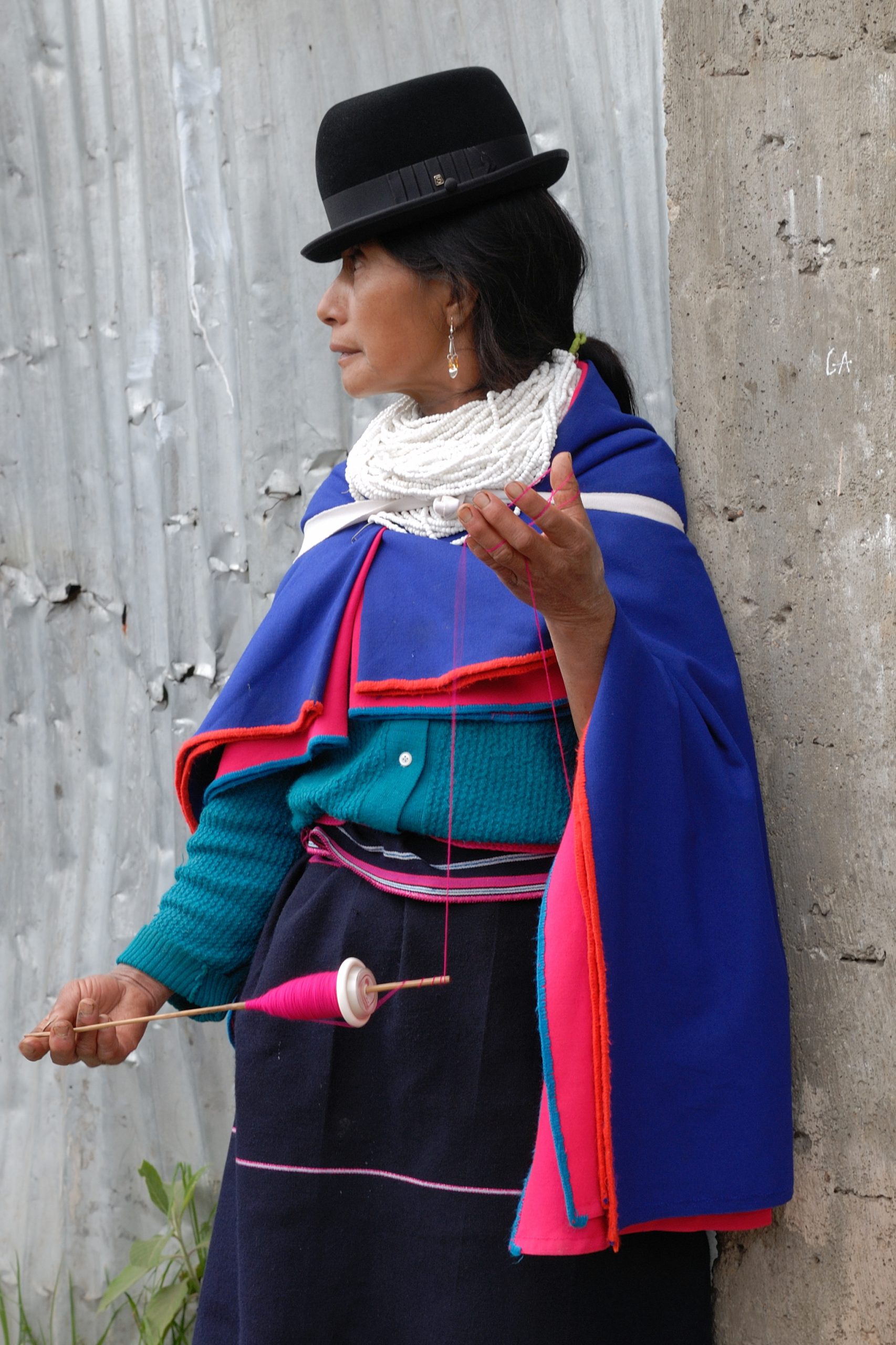
    A combination of colonial charm, elements of ancient history, traditional cooking (designated by UNESCO the City of Gastronomy) and a lively café and bar culture create a welcoming atmosphere in this small town. Among the treasures of Popayán – which has…

  • San Agustín

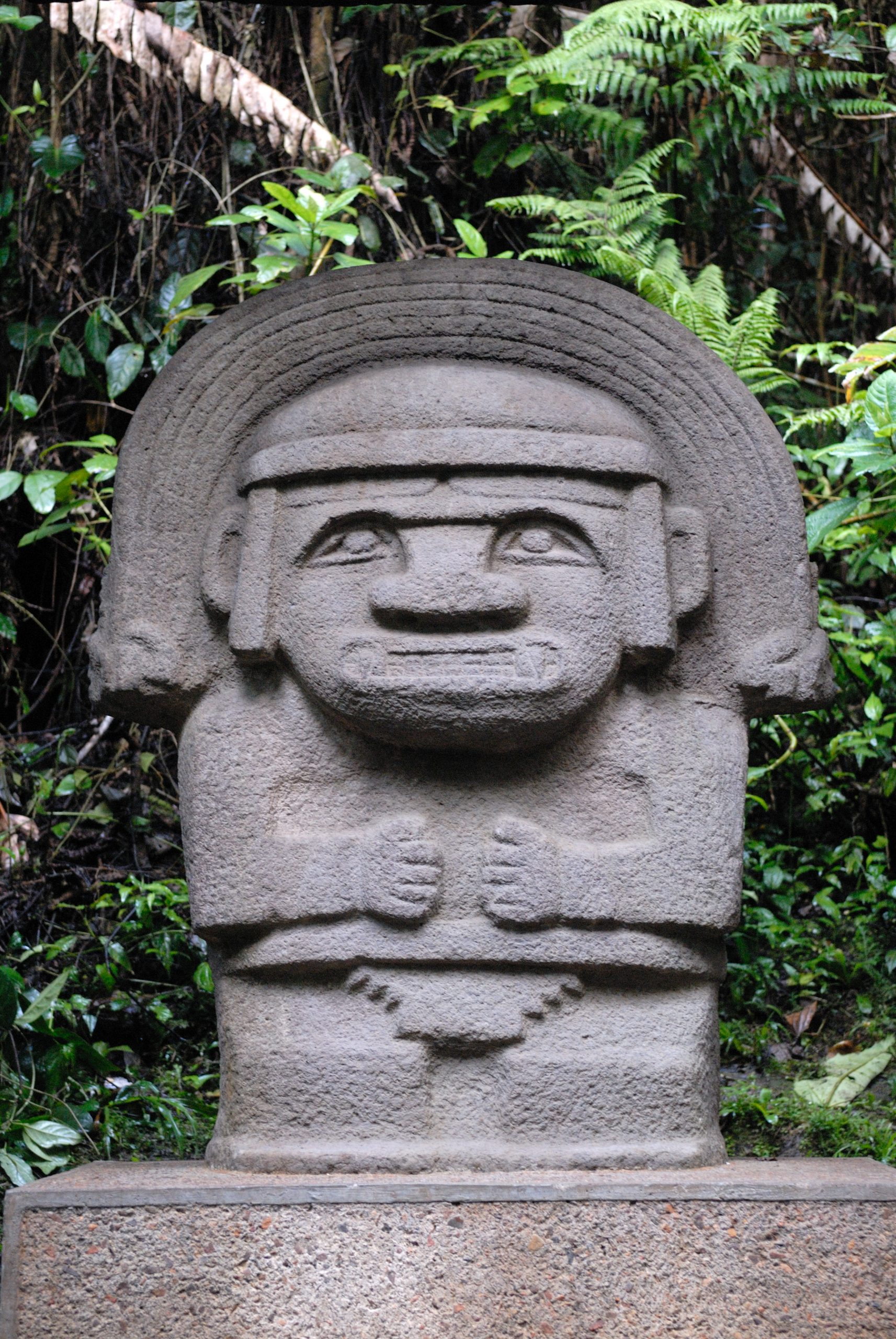
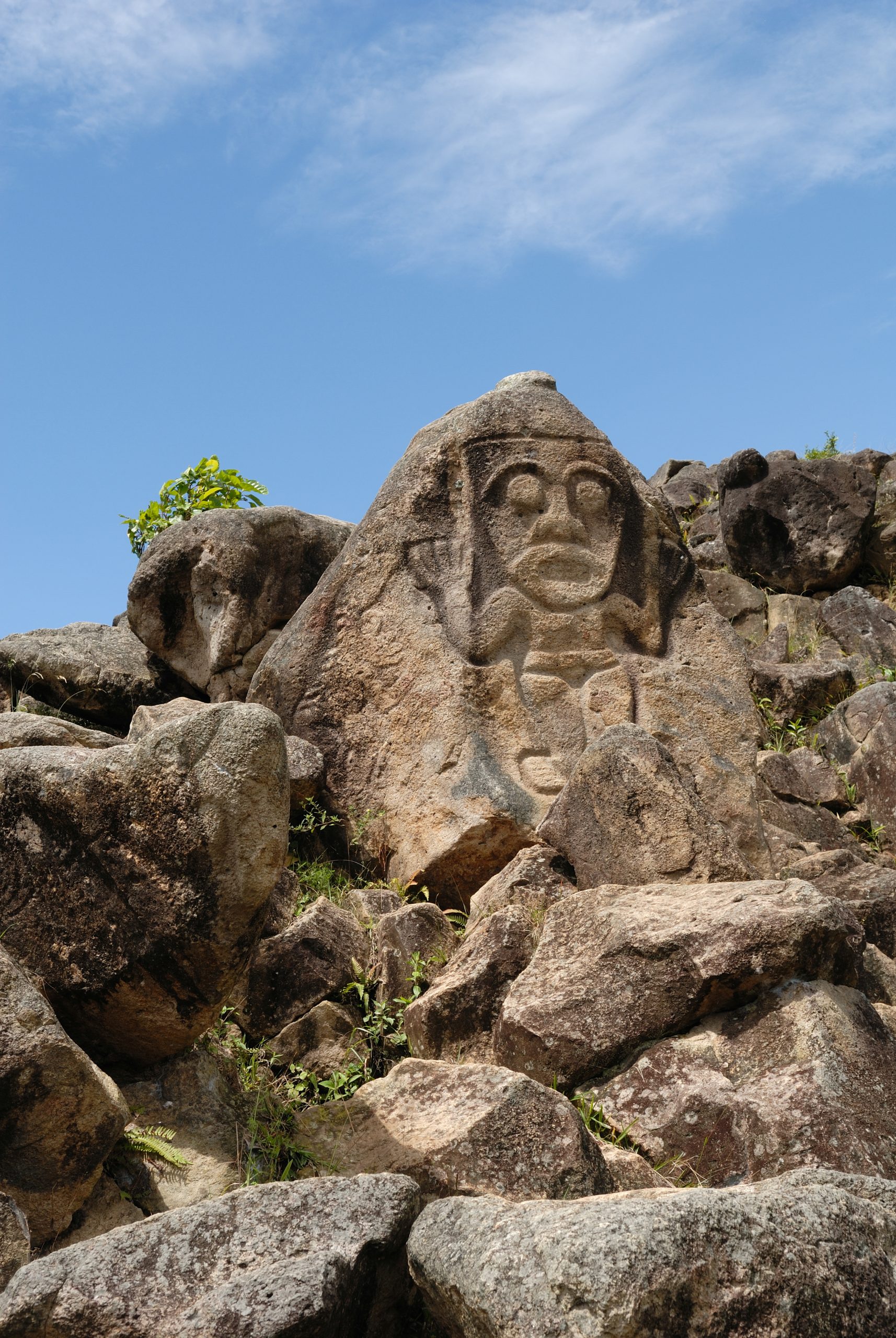
    San Agustín is one of Latin America’s most important archaeological sites and a UNESCO World Heritage Site. It lies in the mountains of Huila and covers around 648 square kilometres. Across the region, you’ll find hundreds of ancient stone sculptures,…
  • Neiva

    Located in the Magdalena River Valley, Neiva is the capital of Colombia’s Huila department and a gateway to some of the region’s most fascinating natural and cultural attractions. Known for its warm climate, lively festivals and rich traditions, the city…
  • Chingaza National Natural Park

    Chingaza National Natural Park is located in the mountain range of the Andes east of Bogotá. Its predominant ecosystems are páramo moors and high Andean forests. Its predominant vegetation are the imosing frailejones (lat.: espeletia). You can see many birds…
  • Ráquira

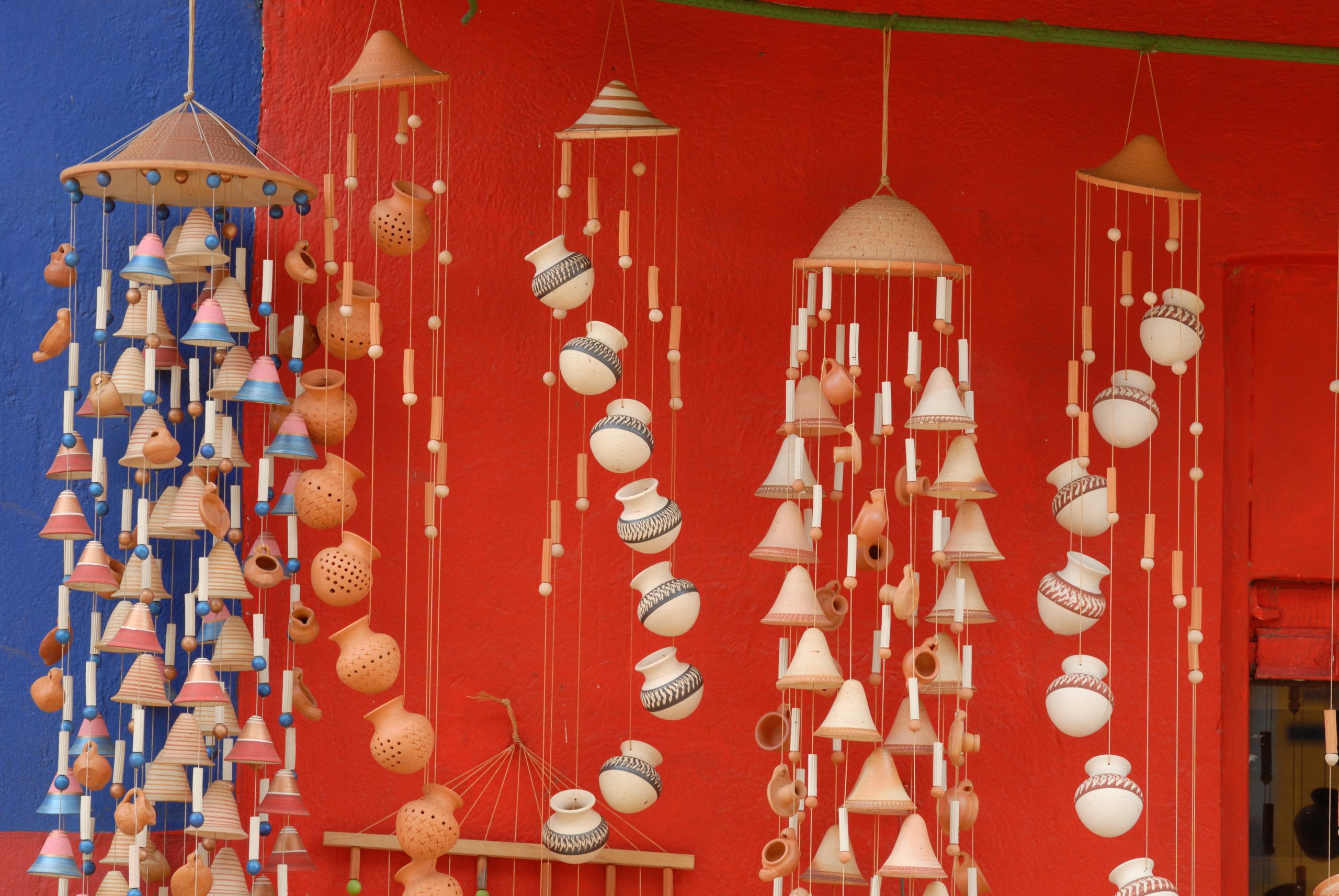
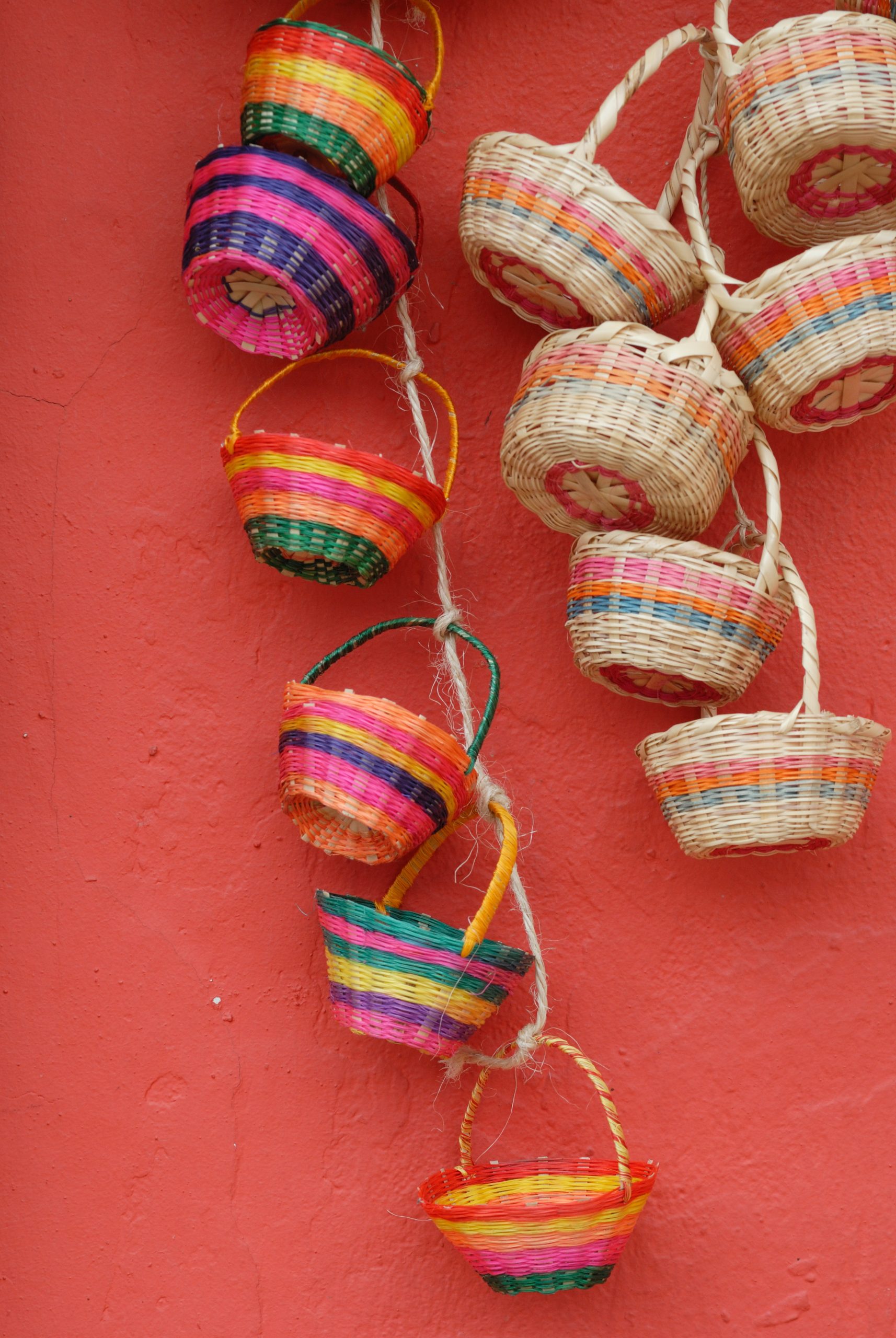
    Discover Ráquira, Colombia’s ceramics capital, known for colorful streets, traditional pottery, artisan workshops, and the beautiful landscapes of Boyacá.

Toggle section content visibility

Related Posts


Sustainable Travel | Experiences that make a difference

Traveling through Colombia offers an opportunity to connect with diverse landscapes, living traditions, and the communities that make each region unique. By choosing locally led experiences, travelers can support small-scale producers, artisans, guides, and family-run businesses while helping preserve local knowledge and cultural heritage.

Across Colombia’s different regions, sustainable tourism goes beyond visiting beautiful places. It creates meaningful encounters, strengthens local economies, and celebrates regional identity. At the same time, it encourages the protection of Colombia’s remarkable natural landscapes and cultural diversity.

From Inspiration to Departure: How Do We Create Your Colombia Journey?

EXPLORE

Explore our website and get inspired by Colombia’s diverse destinations, unique experiences, vibrant cultures and extraordinary landscapes.

PLAN

Plan your journey with our travel experts. Share your interests, travel style and available time through our contact form. We’ll create a tailored itinerary and take care of every detail, so you can look forward to your Colombian adventure with peace of mind. 

EXPERIENCE

Experience Colombia with ease. Immerse yourself in every moment while we take care of the details. From smooth logistics to unique experiences, everything is thoughtfully arranged so you can simply enjoy your journey.