

Cobblestone streets wind past whitewashed facades draped in bougainvillea. Heavy wooden doors open onto lush courtyards, where hummingbirds and butterflies flit among tropical blooms. Stone fountains add a gentle soundtrack to these tranquil spaces. Across Colombia, historic homes preserve the charm of the colonial era. Many now welcome guests as intimate boutique hotels, offering a chance to experience the country’s heritage up close.
If you are looking to explore beyond the classic urban routes, here is your guide to Colombia’s most captivating heritage towns, ancient trails, and hidden artisan hubs.
Villa de Leyva, Monguí & the Sacred Muisca Highlands
High in the Andes of Boyacá, Villa de Leyva feels like a journey into the past. Its vast cobblestone plaza ranks among the largest in South America. Whitewashed colonial buildings frame the square, reflecting the town’s rich architectural heritage and centuries of history.
From Villa de Leyva and Guatavita to the mountain village of Monguí, ancient trails lead through landscapes shaped by the Muisca people. Hike through cloud forests and high-altitude páramos to reach sacred lakes and dramatic Andean scenery. These landscapes also tell the story of the Muisca rituals that inspired the legend of El Dorado.
Don’t miss:
- Convento de la Candelaria: A tranquil 17th-century Augustinian monastery tucked into a rugged, semi-arid landscape. Explore its quiet cloisters, historic architecture, and collection of religious art.
- Ráquira: Just a short drive from Villa de Leyva away, this lively artisan town celebrates Colombia’s pottery tradition. Browse colourful streets lined with hand-painted ceramics and visit local workshops where artisans shape and decorate terracotta pieces.
- Monguí: In the mountain town of Monguí, footballs are crafted by hand in small, family-run workshops. Step inside a local artisan’s workspace to see how pieces of leather are carefully cut, assembled and hand-stitched into footballs, using skills refined over generations. This intimate encounter offers a glimpse into a craft deeply rooted in the town’s identity and everyday life.
Barichara & San Vicente del Chucurí: Art, Earth & Artisanal Cocoa
Perched above the Suárez River Canyon in Santander, Barichara is often celebrated as one of Colombia’s most beautiful towns. Whitewashed walls, red-tiled roofs, and purple bougainvillea define its streetscape. The warm light and peaceful atmosphere make it an inviting place to slow down and explore.
Barichara also has a thriving creative scene. Wander its stone-paved streets to find small studios where painters, sculptors, and stonemasons practise their craft. Meet local artisans, admire their work, and experience a town where traditional skills remain part of everyday life.
Don’t miss:
- Camino Real to Guane: Take a historic two-hour downhill hike along a pre-Hispanic stone path connecting Barichara to the tiny, tranquil village of Guane.
- Artisanal Paper & Earth Building (Bahareque): Visit local paper-making workshops like Taller Arte & Papel, where artisans craft exquisite paper from natural plant fibers such as agave (fique). You can also discover the ancient architectural art of bahareque (earthen tapia pisada construction), which gives Barichara’s historic structures their iconic yellow-red warmth.
- Barichara’s Tobacco Heritage: Explore the town’s rich tobacco roots by visiting traditional workshops (chicoterías) where local women (chicoteras) hand-roll regional chicoticos cigars—a craft deeply intertwined with Santander’s cultural identity.
- San Vicente del Chucurí: A true insider tip hidden in the northern foothills of Santander. Known as Colombia’s cocoa capital, this lush region offers hands-on experiences at local organic cocoa farms. Spend a day walking through shade-grown groves, harvesting pods, and crafting your own single-origin chocolate from scratch.
Mompox: Magical Realism on the Magdalena River
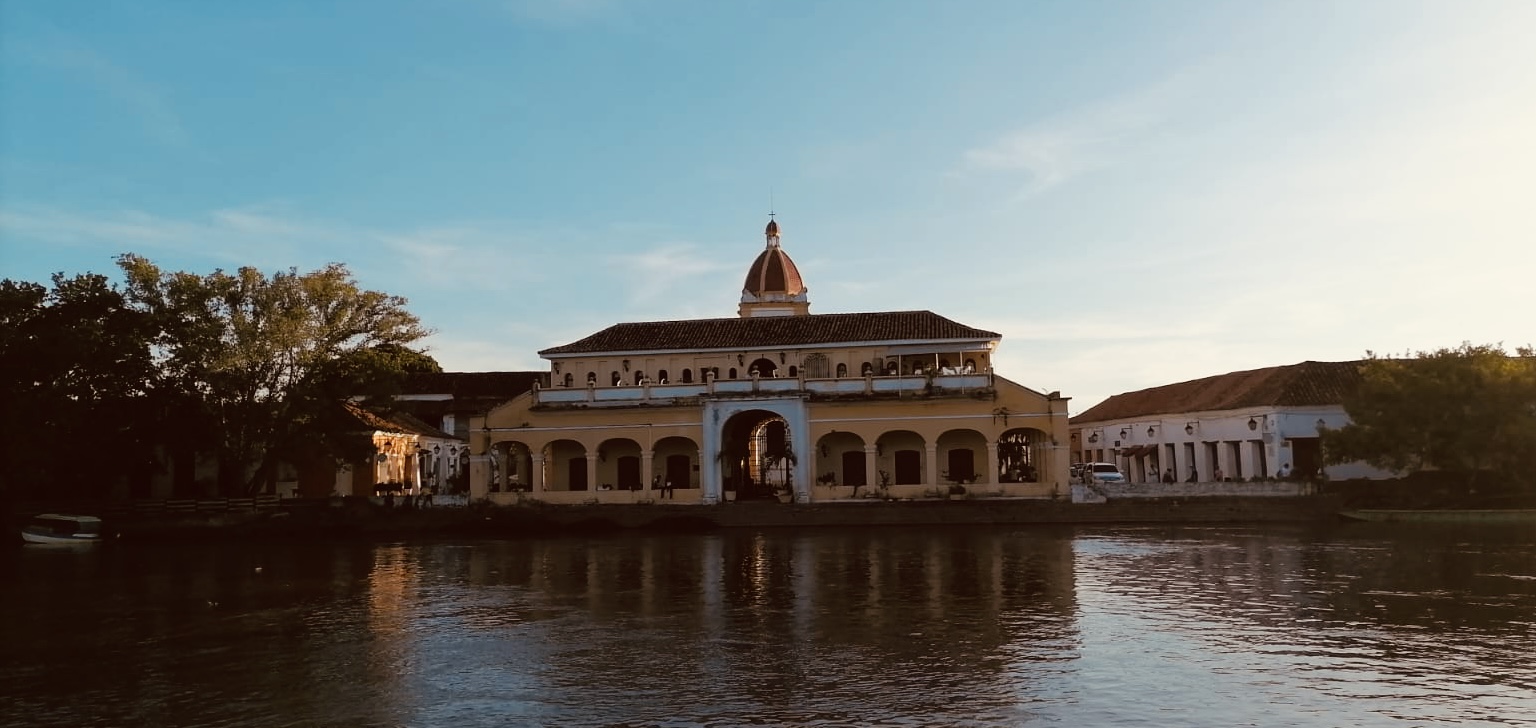
Rising out of the tropical marshes along the Magdalena River, Santa Cruz de Mompox (or simply Mompox) is a UNESCO World Heritage site that feels straight out of a novel. Because of its remote location, reaching Mompox requires a bit of a journey—usually involving a combination of scenic road trips and boat rides—but the reward is unmatched authenticity.
Mompox played a pivotal role in Colombia’s independence and trade history. Today, life moves at a slower, more romantic pace. Wrought-iron rocking chairs line the verandas, dried palm leaves sway in the river breeze, and local goldsmiths craft delicate silver filigree in small workshops. Nobel laureate Gabriel García Márquez drew inspiration from Mompox’s dreamlike atmosphere when he created the magical realism of One Hundred Years of Solitude.
Plan your Colonial Journey
Sip coffee in restored courtyards, visit leather ball workshops in Monguí, or make chocolate in Santander. Colombia’s heritage towns offer an authentic step back in time.
Featured Tours
-

Explore Colombia’s incredible diversity on a journey from the Andes to the Amazon and the vast savannas of Los Llanos. Experience wildlife and llanero culture on safari at Juan Solito, discover the colonial towns of Villa de Leyva and Barichara,…
-
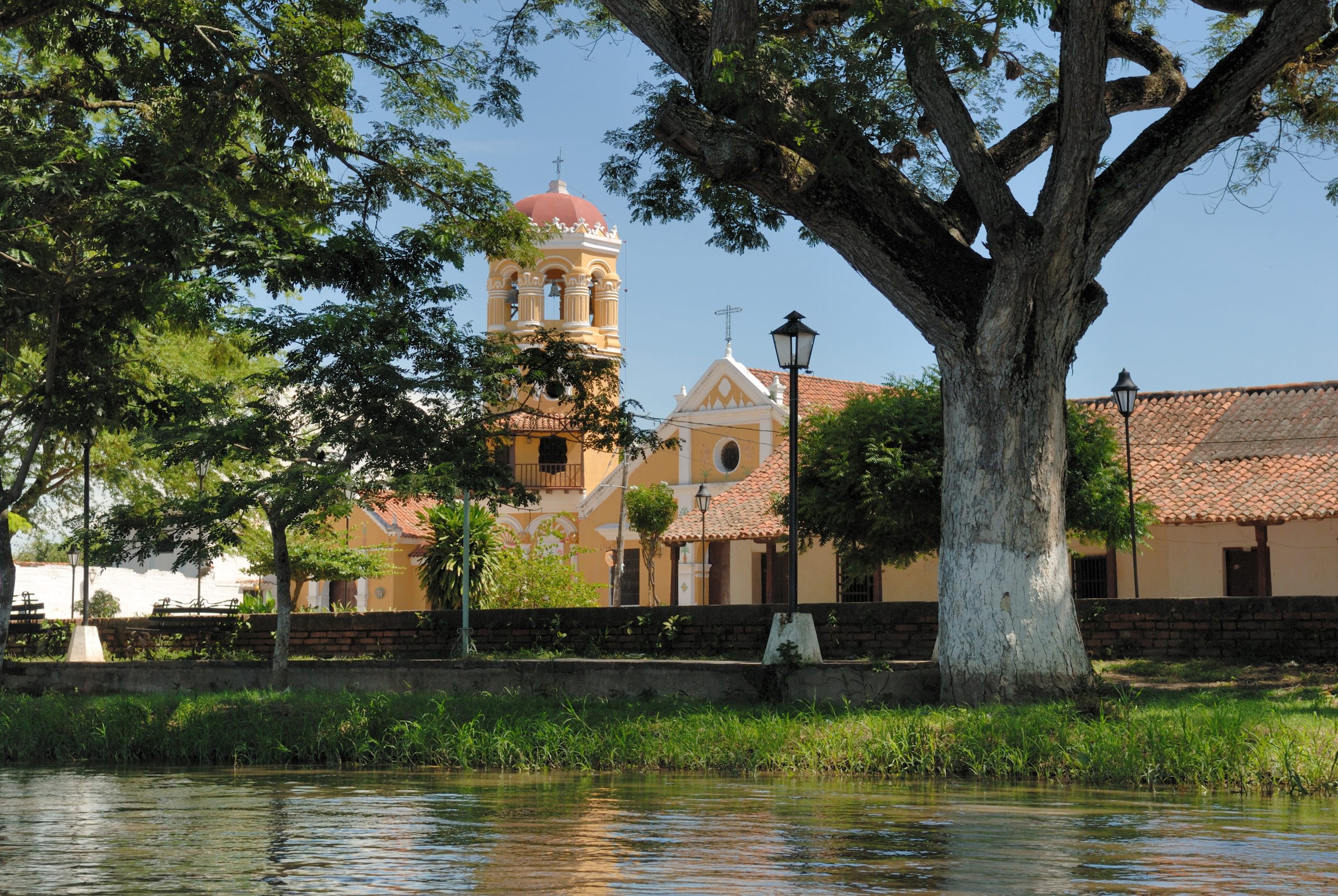
Travel from Colombia’s Andean highlands to the Caribbean coast without taking a flight. Follow the Magdalena River through colonial towns, rural landscapes, and riverside communities, from Bogotá and Barichara to Mompox and Cartagena. This varied overland journey combines history, culture,…
-
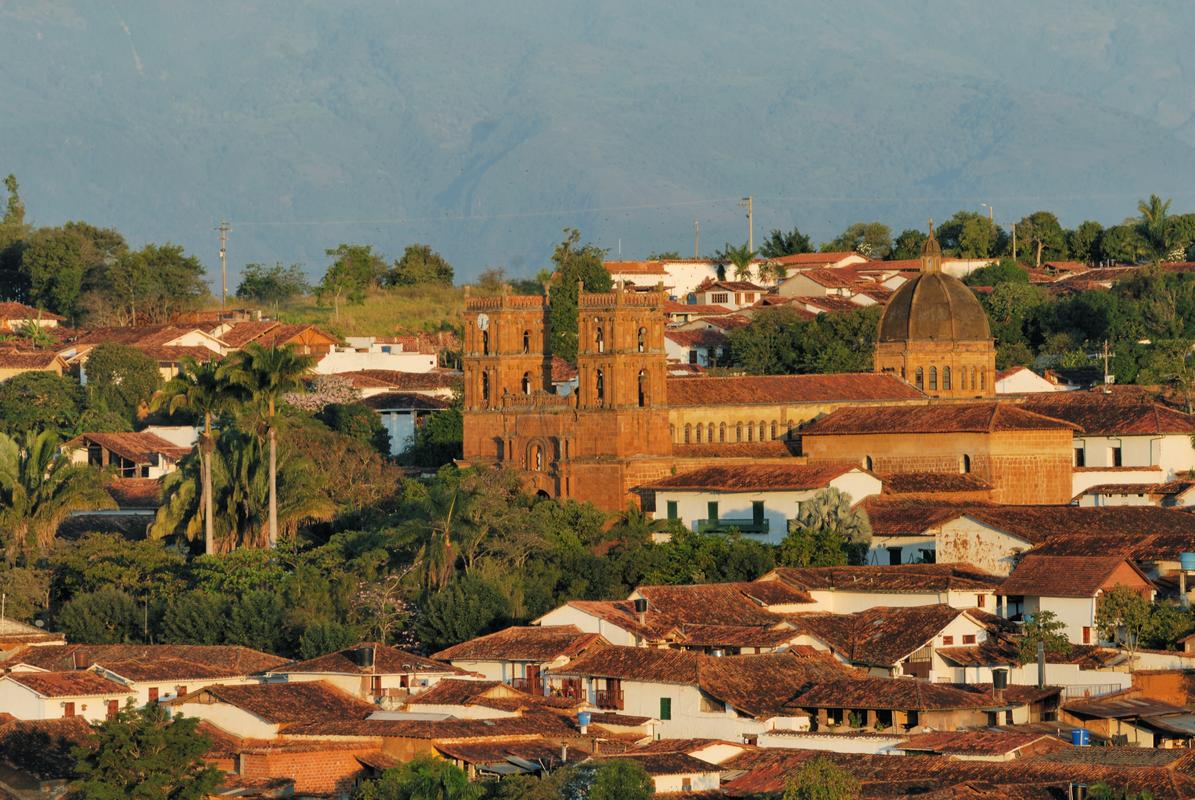
Discover Colombia at a slower pace on this unique 21-day journey across the country – entirely without domestic flights. Traveling overland and by boat, this itinerary invites you to experience Colombia beyond the classic highlights, with time to truly connect…
-
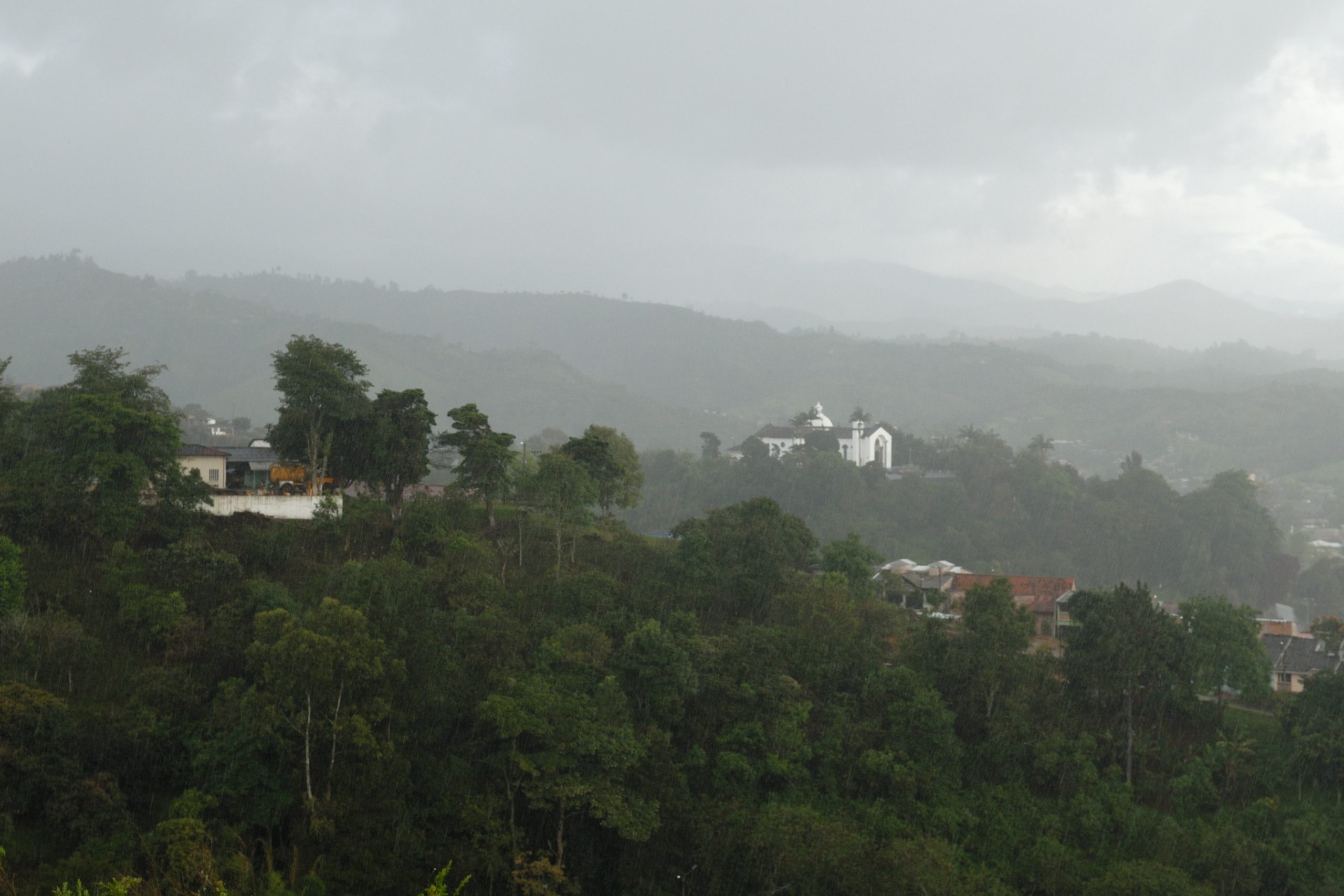
Experience Colombia in depth on a journey combining Bogotá, Popayán, San Agustín, Villa de Leyva, Barichara, and Cartagena. Discover pre-Columbian heritage, colonial towns, Andean landscapes, and Caribbean culture while exploring the country’s remarkable cultural and geographical diversity.
-
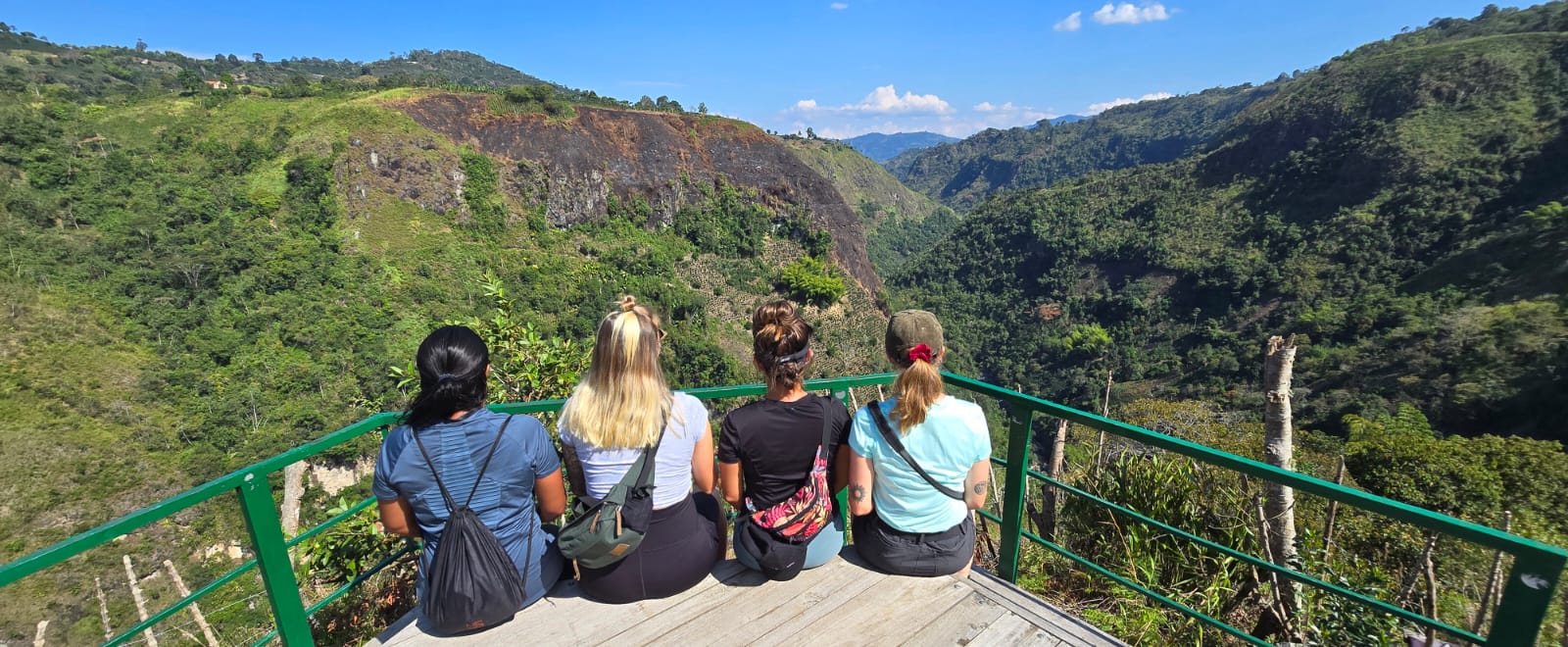
Discover Colombia on a women-only small group journey combining culture, nature, and meaningful connections. Explore Bogotá, Villa de Leyva, Barichara, Medellín, Palomino, and Cartagena while experiencing colonial heritage, local traditions, stunning landscapes, regional cuisine, and the relaxed rhythm of Colombia’s…
-
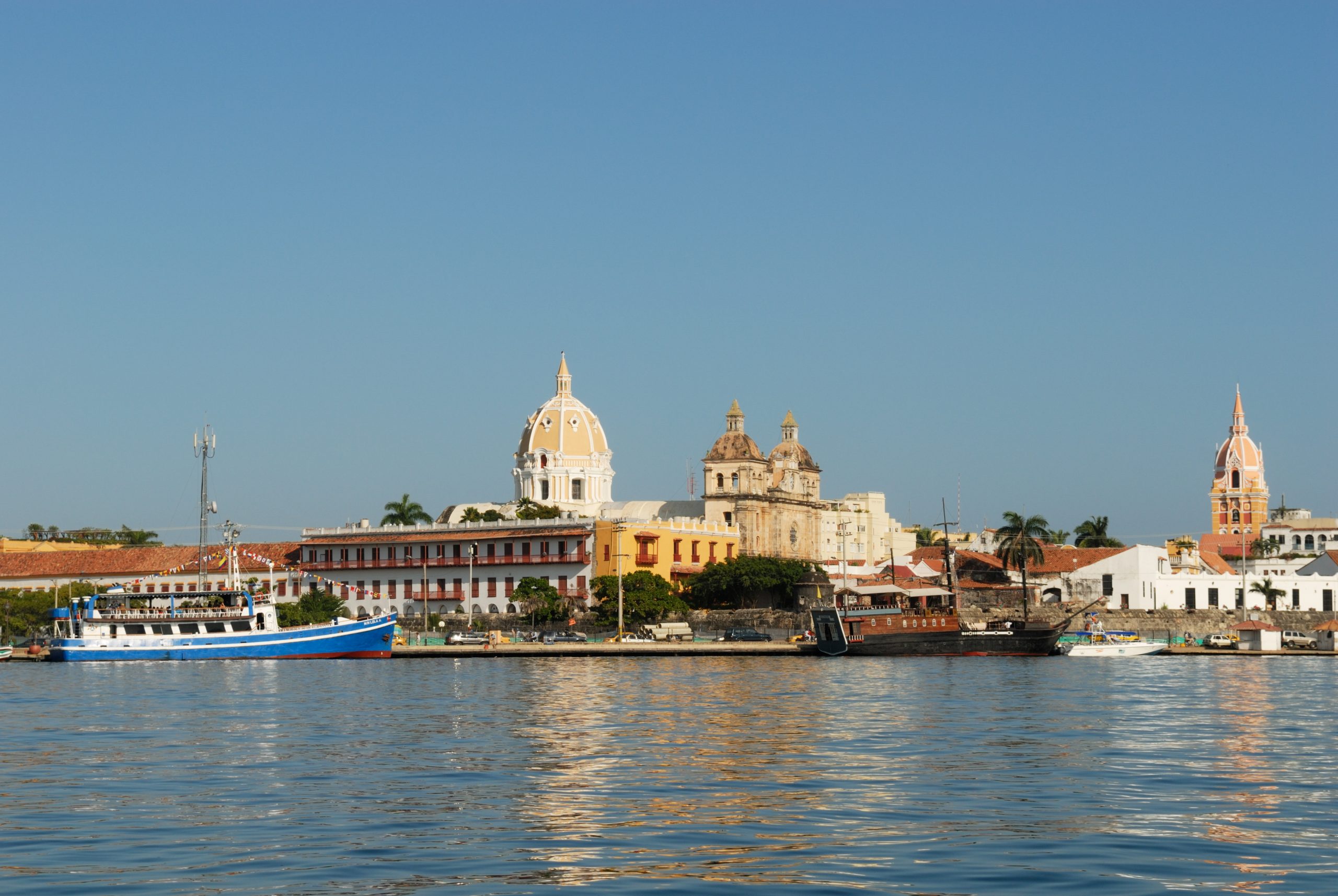
For travellers seeking a more exclusive experience, this journey goes beyond Colombia’s usual routes. Combine the Caribbean charm of Cartagena, the colonial beauty of Barichara, and the spectacular landscapes of the Sierra Nevada de Santa Marta. Stay in elegant retreats,…
-

Embark on a self-drive adventure through Andean villages and discover the country’s incredible diversity at your own pace. From the lively streets of Bogotá to the charming colonial villages of Villa de Leyva and Barichara, each stop reveals a new…
-
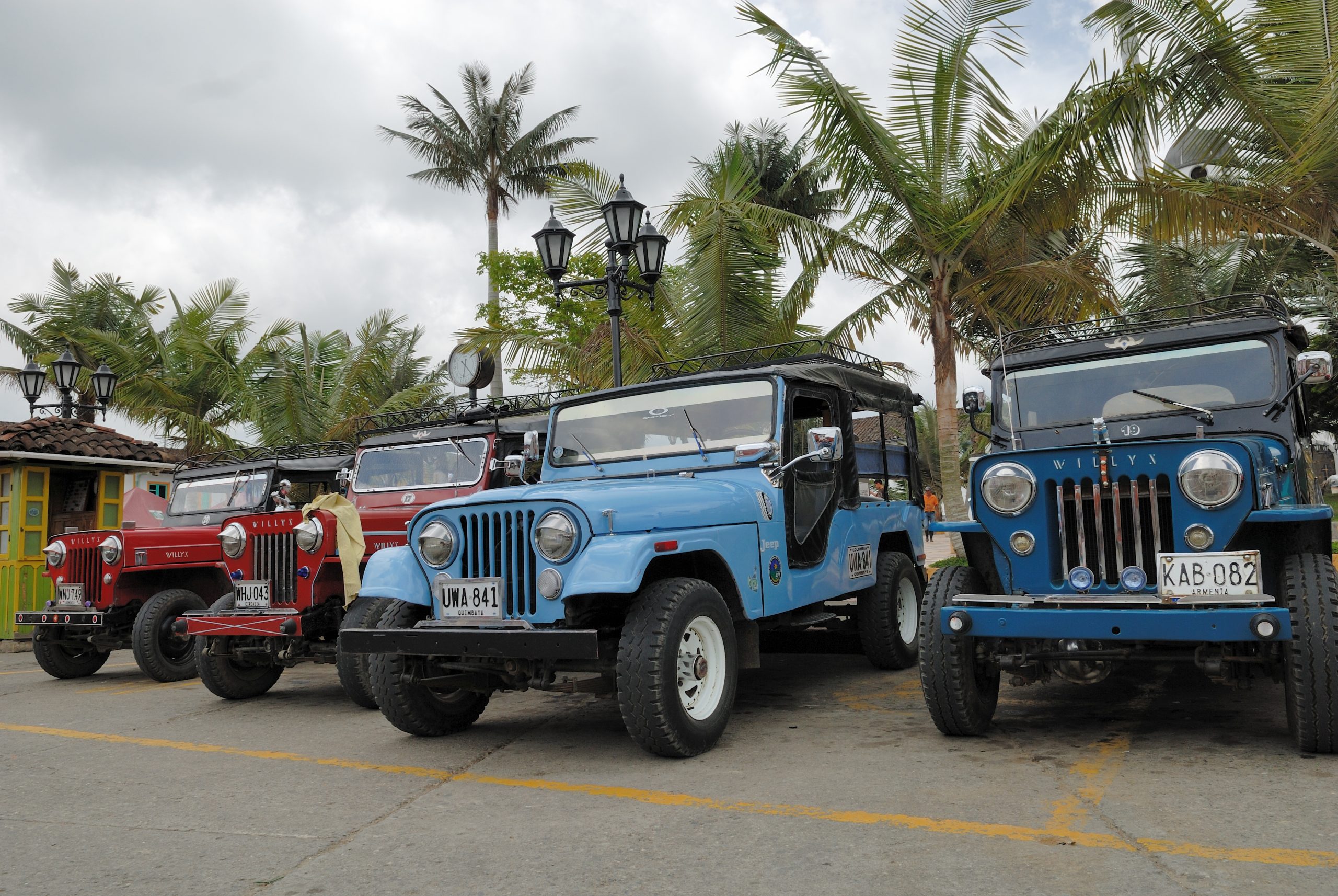
Embark on a 27-day self-drive adventure through Colombia, starting and ending in Bogotá. Cross the country’s three Andean Cordilleras while discovering colonial towns, coffee landscapes, dramatic mountains, deserts, and hidden gems. With a flexible route and plenty of inspiration, enjoy…
-
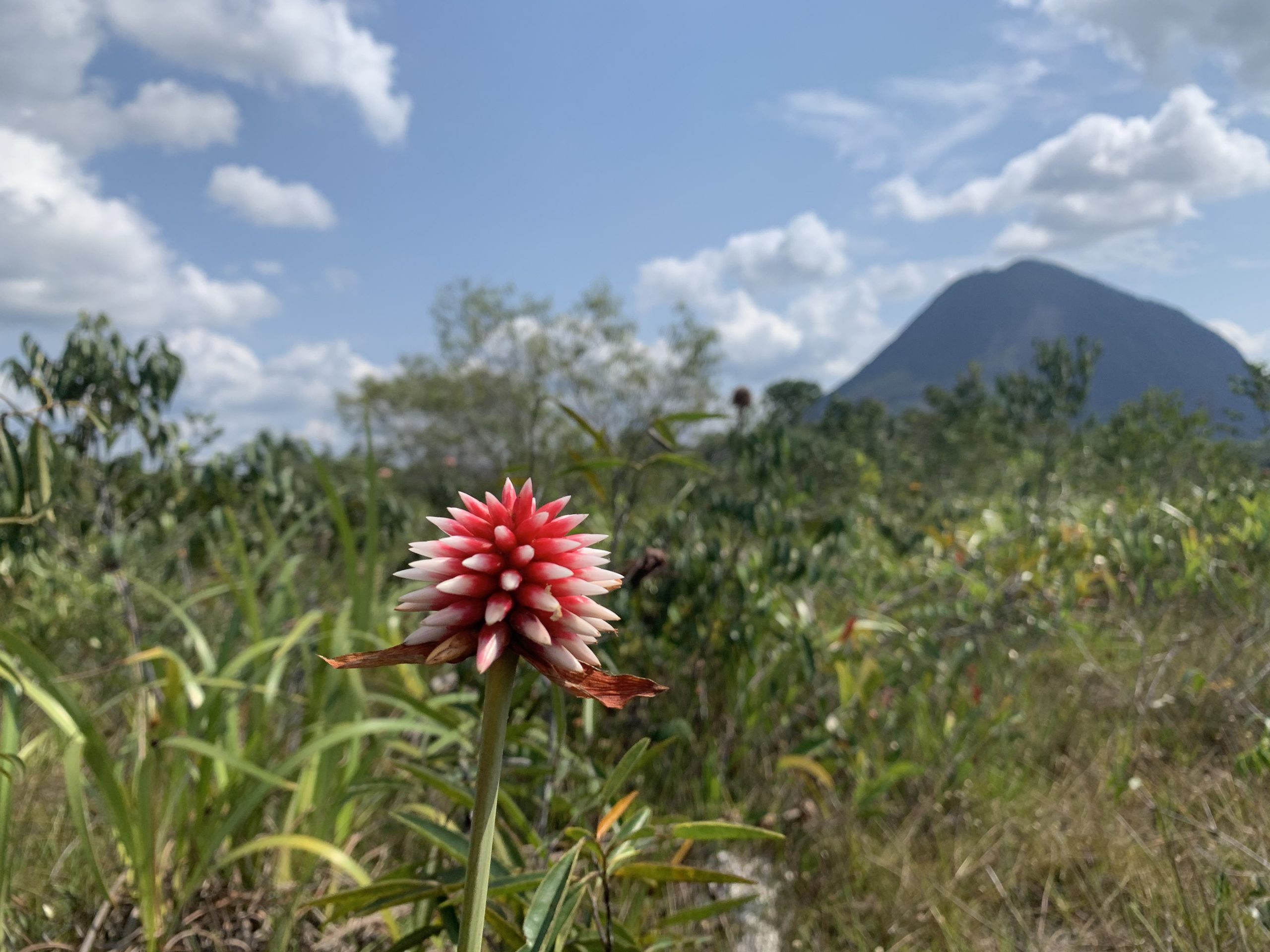
Follow Alexander von Humboldt’s footsteps across Colombia on a journey through colonial towns, lush Andean landscapes, the Magdalena River and the remote rock formations of Cerros de Mavicure. Discover the country’s extraordinary biodiversity, rich cultural heritage and natural wonders along…
-
Enjoy an unforgettable family adventure in Colombia! Over the next few days, you will travel from Bogotá—the country’s vibrant high-altitude capital—through charming heritage towns and cacao groves, all the way to the golden Caribbean coast in Cartagena. Discover the whitewashed…
